லோகமாதேவியின் பதிவுகள்

Category: தாவரங்கள் (Page 5 of 17)

அயல் ஆக்ரமிப்புத்தாவரங்கள்!

சென்ற வருடம் தூரன்விருது விழாவிற்காக ஈரோடு வழக்கறிஞர் செந்தில் அவர்களுக்கு ச்சொந்தமான கல்யாண மண்டபத்திற்கு சென்றிருக்கையில் மண்டபத்துக்கு நேர்எதிரில் மிக அழகிய நடுத்தர உயரத்திலான ஒரு மரம் நின்றது. அதை முதன் முதலாக  அன்றுதான் பார்த்தேன். அது  Conocarpus lancifolius என்னும் சோமாலியாவை சேர்ந்த மரம். 

அதன் கனிகள் ஒரு கூம்பைப் போல அமைந்திருப்பதால் அதற்குக் கோனோகார்பஸ் என்று பேரினப்பெயர். கார்பஸ் என்றால் கனிகள் என்று பொருள் கோன் போலக் கனிகள் என்ற பொருளில் இருக்கும் இந்தப் பேரினத்தில் இரண்டே இரண்டு சிற்றினங்கள் தான் இருக்கின்றன. லேன்சிஃபோலியஸ் மற்றும் எரெக்டஸ். லேன்சிஃபோலியஸ் என்பது நீளமான கூர் நுனிகொண்ட இலைகளைக் குறிக்கிறது. எரெக்டஸ் என்றால் நேராக நிமிர்ந்து வளர்கின்ற என்று பொருள் இது சதுப்பு நிலங்களில் வளரும் பல தண்டுகளைக் கொண்ட அடர்த்தியான புதர்ச்செடி

கோனோகார்பஸ் லேன்சிஃபோலியஸ்  மரத்தை நேற்று பெங்களூரில் தருண் இன்னும் இரண்டுவருடம் படிப்பின் பொருட்டு இருக்கப்போகும் ஒரு அடுக்கத்தின் வாசலிலும் மேலும்   அதிக  இடங்களிலும்  பார்த்தேன் பெங்களூர் முழுக்க இதை அலங்கார செடியாக வளர்க்கிறார்கள். கற்பகம் பல்கலைக்கழகத்திலிருந்து துவங்கும் சேலம் பெங்களூர் பைபாஸ் சாலையில் இருக்கும் ஒரு உணவகத்தின் வாசலிலும்  ஏராளமான மரங்கள் நட்டு வளர்க்கப்படுகின்றன

இந்தக் கோனோகார்பஸ் போல மிக வேகமாக வளரும் அயல்நாட்டு தாவரங்கள் இயல் மரங்களுக்கும் சூழலுக்கும் பெரும் அச்சுறுத்தலை அளிப்பவை. இப்படித்தான் நமக்கு ஆகாயத்தாமரை பிரிடிஷ் இந்தியாவில் அறிமுகமானது இப்படித்தான் உண்ணிச்செடி என்னும் லண்டானா அறிமுகமாகி இப்போது அழிக்கவே முடியாத ஆக்கிரமிப்பு களையாகி விட்டிருக்கிறது இப்படியேதான் நெய்வேலி காட்டாமணக்கும், சீன கரிசலாங்கண்ணியும் இன்னும் பலவும் ஆக்கிரமிப்பு களைகளாகி விட்டிருகின்றன

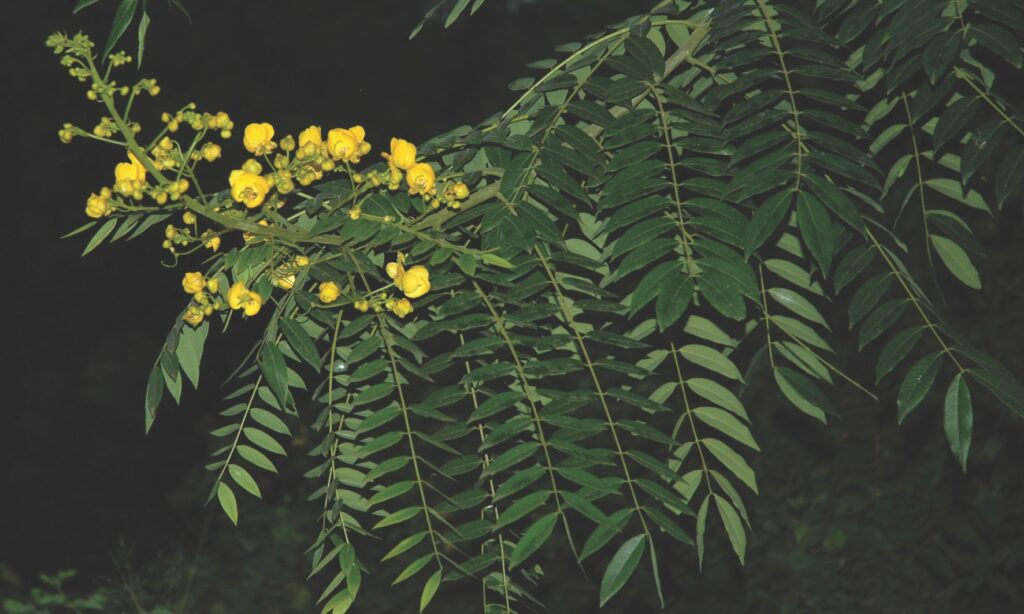
ஈரோடு மலை தங்குமிடத்தில் ஆய்வில் ஈடுபட்டிருக்கும் என் மாணவிகளுடன் நான் அங்கு அடிக்கடி செல்கிறேன். சில வருடங்களாக அந்தப் பிரதேசம் முழுக்க  மிக அதிகமாகp பல்கிப் பெருகி கொண்டிருகிறது சீமைக்கொன்றை எனப்படும் Senna siamea  மரம்.  இதன் இலைகளை விலங்குகள் உண்ணுவதில்லை என்பதை விஷ்ணுபுரம் குழுவில் இருக்கும் கால்நடை மருத்துவர்  பவித்ரா தெரிவித்தார்.  இதன் கனிகள் ஏராளமான விதைகளுடன் வெடித்து பரவிச் சூழலில் பெரும் அச்சுறுத்தலாக உருவாகிக் கொண்டிருக்கிறது. நம்மால் கட்டுப்படுத்த முடியாத பார்த்தீனியத்தை போல இதுவும் இன்னும் சில வருடங்களில் உருவெடுக்கப் போகிறது

இந்தக் கோனோகார்பஸ் மரத்திலிருந்து கொஞ்சம் கோந்தும் பார்பிக்யூ அடுப்புகளுக்கான் கரிக்கட்டையும் கிடைக்கின்றது பார்க்க அழகிய தோற்றம் கொண்டிருக்கிறது.  அவ்வளவுதான், ஆனால் இதன் ஏராளமான மகரந்தங்கள் மனிதர்களுக்குச் சுவாசக்கோளாறுகளையும் மேலும் பல  ஒவ்வாமைகளையும் உண்டாக்குகின்றன. இவற்றின் வேர்கள் நிலத்தடி நீரை வெகுஆழம் வரைசென்று உறிஞ்சுகின்றன.    பல வளைகுடா நாடுகளிலும் குஜராத்திலும் இதன் ஆபத்தை உணர்ந்து இதை வெட்டி அகற்றி கொண்டிருக்கிறார்கள்.ஆனால் இந்தியாவின்  பல பகுதிகளில் இதை வாங்கி நட்டுவைத்து நீரூற்றி வளர்த்துக் கொண்டிருக்கிறார்கள்.

 அரசு இது போன்ற அதீத வளர்ச்சி கொண்ட தாவரங்களை இறக்குமதி செய்வதை, அவற்றின் பரவலை,  வளர்ச்சி வேகத்தை எல்லாம் தாவரவியலாளர்களின் குழுவொன்றை அமைத்துக் கட்டாயம் தொடர்ந்து கண்காணிக்க வேண்டும்தாவரங்களின் பரவலை   சட்டபூர்வமாகத் தடுக்கும் குவாரண்டைன் இந்தியாவில் மிக மெத்தனமாகத் தான் நடக்கிறது. 

 இந்தியாவில் இந்த botanical illiteracy இப்போது மிக அதிகமாக இருக்கிறது. ஒரு மரம் வேகமாக வளரும் என்றால் அதை உடனே தருவித்து அலங்கார மரமாக வளர்க்கத் தொடங்கிவிடுகிறார்கள். அயல்மரங்களை  வளர்க்கும் முன்பாக அதன் தாவரவியல் பண்புகளை அறிந்துகொள்வது மிக மிக அவசியம்.கவலையளிக்கிறது இந்த மரங்களின் பரவல்.

சீமைக்கொன்றை என்னும் சென்னா சயாமியா, மஞ்சக்கொன்னை என்னும் சென்னா ஸ்பெக்டாபிலிஸ் இரண்டுமே இந்தியாவின் அயல் ஆக்ரமிப்பு மரங்கள். மலர் மஞ்சரிகள் அமைந்திருக்கும் விதத்தில் மட்டும் மிகச் சிறிய வேறுபாட்டைக் கொண்டிருக்கும் இம்மரங்கள் இரண்டும் தோற்றத்தில் ஒரே மாதிரியானவை. இரண்டுமே இயல்மரங்களுக்கான அச்சுறுத்தல்தான்

சென்னா ஸ்பெக்டாபிலிஸ்  வயநாட்டுக்கு 1986-ல் கேரள வனத்துறையால் பிற்பாடு வருந்தப்போகிறோம் என்பதை அறியாமல் நிழல் மரங்களாக  அறிமுகப்படுத்தப்பட்டது.

இதன் விதைகள் தருவிக்கப்பட்டு, முளைத்த நாற்றுக்கள் வயநாடு வனவிலங்கு சரணாலயத்திலும், அருகிலிருந்த  வனச்சரகங்களின் சாலையோரங்களிலும் நடப்பட்டன.

அப்போது கேரள வனத்துறையினருக்கு தெரிந்திருக்கவில்லை அவர்கள் வளர்த்திக்கொண்டிருந்தது அமெரிக்காவின் மிக மோசமான ஆக்கிரமிப்பு மரத்தைத்தான் என்று.  அப்போதே அது ஆசியா, ஆப்பிரிகா, ஆஸ்திரேலியாவில் ஆக்ரமிப்பு மரமாக அறியப்பட்டிருந்தது.

கேரள வனத்துறை இதன் ஆக்கிரமிப்பு ஆபத்தை உணர்ந்தபோது, ஆக்ரமிப்புத் தாவரங்கள் அதற்குள் என்னவெல்லாம் செய்திருக்குமோ அதை அந்த மரம் செய்திருந்தது.

அறிமுகமாகிய 25 வருடங்கள் கழித்து, 2011ல் பல்கிப்பெருகியிருந்த இந்தச் சென்னா மரம்  கேரளக்காடுகளின் ஆக்கிரமிப்பு மரமாக அறியப்பட்டது.

கர்நாடகமும் 2000-ங்களில் லண்டானா ஆக்ரமிப்பு புதர்களைக் கட்டுப்படுத்தும் என எண்ணி பந்திப்பூர் மற்றும் நாகர்ஹோளே தேசியப்பூங்காக்களில் சென்னா மரங்களை அறிமுகப்படுத்தினார்கள்.

2020-ல்  முதுமலைப் பகுதிகளில் சென்னா அடர்த்தியாக வளர்ந்து இயல் மரங்களின் வளர்ச்சியைப் பாதிப்பது கண்டறியப்பட்டது.

இப்போது சென்னாவின் ஆக்ரமிப்பு கேரளா, தமிழ்நாடு மற்றும் கர்நாடக மாநிலங்களின் மிகப்பெரிய  சிக்கலாகி இருக்கிறது. இவற்றைத்தவிர அஸ்ஸாமில் மட்டும் ஒரு சில இடங்களில் இதன் ஆக்கிரமிப்பு கண்டறியபட்டிருக்கிறது

2012-லிருந்து வயநாடு பகுதியில் இதன் ஆக்ரமிப்பை ஆய்வு செய்து வரும் திரு வினயன்  “344.44 km², பரப்பளவு கொண்ட இந்தச் சரணாலயத்தில் 2013-14-ல்  16 km² –ல் பரவியிருந்த  சென்னா, 2019-ல்  89 km² பரப்பளவை ஆக்கிரமித்திருந்தது. தற்போது இதன் ஆக்கிரமிப்பு இந்தச் சரணாலயத்தின் 35% பரப்பளவில் சுமார் 123.86 km-ல் பெருகியிருக்கிறது “என்கிறார். இதன் பரவிப்பெருகும் வேகம் அச்சுறுத்துகிறது.

வயநாடு சரணாலயத்தில், மலர்ந்து அழிந்த மூங்கில்களின் இடத்திலெல்லாம்   மீண்டும் அவை வளர்வதற்குள் சென்னா பரவி மூங்கில்களின் வாழிடங்களையும் ஆக்கிரமித்திருக்கிறது.

காடுகளிலிருந்து குடியிருப்புப் பகுதிகளுக்கும் விதைகள் பரவின. இந்த மரங்களின் மஞ்சள் நிற மலர்களுக்காகவும் நிழலுக்காகவும் இவற்றின் ஆபத்து தெரியாமல் பல இடங்களில் இவை அலங்கார மரங்களாக வளர்க்கப்பட்டன.

வினயனின் ஆய்வுக்குழு சென்னாவின் பரவலில் யானைகளின் பங்கு மிக அதிகமென்கிறது. ஒரு யானைச்சாணக்குவியலில் மட்டும் சுமர் 2000 சென்னா விதைகள் இருப்பதை அவர்கள் பதிவு செய்திருக்கிறார்கள்.

ஆக்கிரமிப்பு மரங்களின் இயல்புகளான, விரைந்து வளர்வது, குறுகிய வாழ்க்கைச் சுழற்சி, ஏராளமான விதைகளை உருவாக்குவது, வெட்டிய அடித்தண்டிலிருந்தும் முளைத்து வளர்வது, வேரிலிருந்தும் தண்டிலிருந்தும் இனப்பெருக்கம் செய்வது ஆகிய இயல்புகளை இந்த இரு மரங்களுமே கொண்டிருக்கின்றன.

கர்நாடகத்திலும்  கேரளாவிலும் இந்தச் சென்னா மரங்கள் வேருடன் பிடுங்கப்பட்டும், ரசாயனங்களை உபயோகித்தும் மரப்பட்டையை உரித்து உலரச்செய்தும் அழிக்கப்பட்டுக் கொண்டிருக்கின்றன.

தமிழ்நாட்டில் இன்னும் இதன் ஆக்கிரமிப்பு குறித்து பலர் அறிந்திருக்கவில்லை. நான் அந்தியூர் வனப்பகுதிக்கு இரண்டாண்டுகளுக்கு முன்பு வந்தபோது அதிகம் தென்பட்டிருக்காத சீமைக்கொன்றை இப்போது மலைப்பகுதி முழுக்க எங்கெங்கிலும் இருக்கிறது
வெள்ளிமலை ஆசிரியர் நவநீதன் இந்த மரங்களின் ஆக்கிரமிப்பை குறித்து சொன்னதும் அவருடன் சீமைக்கொன்றையின் ஆக்கிரமிப்பை அந்த மலைப்பகுதியில் நேரில் ஆய்வுசெய்தேன்.சென்னை கோவை   உடுமலை என நான் செல்லும் நகரங்களில் எல்லாம் இவை பல்கிப்பெருகிக்கொண்டிருப்பதை பார்க்கிறேன்.

கோனொசார்பஸ்,சென்னா போன்ற விரைந்து வளரும் இயல்புகொண்ட அயல் மரங்களை உறுதியாக நாம் அறிமுகம் செய்வதும் வளர்த்துவதும் தடை செய்யப்படவேண்டும்

கத்தாரில் இருக்கும் விஷ்ணுபுரம் குழும நண்பர் பழனி அழைத்திருந்தார். துபாய், கத்தார் முழுக்க நர்சரிகளில் ரெய்டு நடத்தி இந்த கோனோகார்பஸ் மரங்கள் முழுக்க அழிக்கப்பட்டதை தெரிவித்தார்

அப்படியான ஒரு தீவிரக்கட்டுப்பாட்டு முன்னெடுப்பு இந்தச் சீமைக்கொன்றை மற்றும் கோனோகார்பஸ் மரங்களுக்கு இங்கும் உடனடித் தேவையாக இருக்கிறது.

சீமைக்கொன்றையின் விதைகளிலும் இலைகளிலும் இருக்கும் நச்சுpபொருட்களால் பறவைகள்,  பன்றிகளுக்கு  ஆரோக்கியக்கேடுகளும் உண்டாகிறது.

நிழல் தருகிறது கரிக்கட்டை கிடைக்கிறது என்பதுதான் சீமைக்கொன்றையின் பயன்கள். இம்மரத்தை அறுக்கையில் உருவாகும் மரத்தூள் தீவிரமான தொண்டை கண் மற்றும் மூக்கு அழற்சியை உருவாக்குகிறது.

  சீமைக்கொன்றை ஆஸ்திரேலியாவிலும் ஆக்கிரமிப்பு மரமாகியிருக்கிறது.

இயல் மரங்கள் அழிந்துகொண்டிருப்பது அவற்றைச் சார்ந்துவாழும் , அவற்றில் மகரந்தச்சேர்க்கை செய்யும் சிறு பூச்சிஇனங்களையும் அழித்துவிடுகிறது.

குஜாராத் முழுக்கவும், வளைகுடா நாடுகளிலும் கோனோகார்பஸ் அழிக்கப்பட்டுவிட்டது ஆனால் கோவையில் பங்களூரில் பழனியில் நூற்றுக்கணக்கில் அவை வளர்க்கப்படுகின்றன என்றால் அயல் ஆக்கிரமிப்பு தாவரங்களின் பரவல் குறித்த இந்திய வனத்துறையின் செயல்பாடுகள் என்ன என்னும் கேள்வி எழுகிறது   

சீமைக்கொன்றையின் ஆக்கிரமிப்பு அபாயம் குறித்த ஏராளம் ஆய்வறிக்கைகள் வெளியாகி இருக்கின்றன.

டெக்கன் ஹெரால்ட் 2023 டிசம்பரில் சீமைக்கொன்றை மற்றும் பிற அயல் ஆக்கிரமிப்பு மரங்களால் இந்தியப்புல்வெளிகள் அழிந்துகொண்டு வருவதை குறித்த கட்டுரையை வெளியிட்டிருக்கிறது

இவற்றோடு மூடுதிரையைப்போலக்காடுகளுக்குள்சென்றுவிட்டிருக்கும்ஆக்ரமிப்புஏறுகொடிகளில் Mikania micrantha மிகமுக்கியமானது.மரங்களிலும்மின்கம்பங்களிலும் ஏறிக் காடுகளுக்குள் சென்றுமரங்களின் உச்சிவரை பரவியிருக்கும் இந்தக்கொடி மிகமோசமான ஆக்ரமிப்புக் களைச்செடியாக இருக்கிறதுஆங்கிலத்தில்இக்கொடியின்பெயர் mile-a-minute vine. 

குட்ஸூ என்னும் ஆக்ரமிப்பு ஏறுகொடி தென்கிழக்காசியா முழுக்க பெரும் சூழல் அச்சுறுத்தலைஉண்டாக்கிஇருக்கிறதுகுட்ஸுவைகுறித்தும் ஒருகட்டுரைஎழுதியிருக்கிறேன்https://logamadevi.in/3191

கொகெய்னும் கிராக்கும்!

டைம்ஸ் ஆஃப் இந்தியா நாளிதழின் சென்னை பதிப்பில் பிப்ரவரி 22, அன்று  இந்தோனேஷியாவை சேர்ந்த ஒரு விமானப்பயணி யிடம் இருந்து 2.7 கிலோ கொகெய்ன் பறிமுதல் செய்யப்பட்ட செய்தி வந்திருந்தது. கொகெய்னின் சந்தை மதிப்பு கிலோவுக்கு 10 கோடி என்பதால் பறிமுதல் செய்யப்பட்ட கொகெய்ன் மதிப்பு சுமார் 27 கோடி. இதுவே சென்னை விமான நிலையத்தின் இந்த  2024ம் வருடத்தின் முதல் போதைப்பொருள் பறிமுதல். 

உலகெங்கிலும்  கொகெய்ன் பயன்பாட்டிற்கும் கடத்தலுக்கும் எதிரான சட்டங்கள் மிக இறுக்கமாகவே இருப்பினும் கொகெய்ன் கடத்தலும்  தொடர்ந்து பல வழிகளில் நடந்துகொண்டேதான் இருக்கிறது 
ஐக்கியநாடுகளின்  போதைப்பொருள் மற்றும் குற்றங்களுக்கான அமைப்பு (UNODC–United Nations Office on Drugs and Crime) தொடர்ந்து கண்காணித்துக்கொண்டே இருந்தாலும் சர்வதேச அளவில் போதைத்தாவரங்கள் வளர்ககப்படுவது, போதைப்பொருள் தயாரிப்பு, விநியோகம்,  கள்ளச்சந்தை வணிகம் மற்றும் பயன்பாடு ஆகியவை தொடர்ந்து அதிகரித்துக் கொண்டுதான் இருக்கிறது,

சர்வதேச கொகெய்ன் பறிமுதல்களில் 72% தென் மற்றும் மத்திய அமெரிக்காவில், மத்திய மற்றும் மேற்கு ஐரோப்பாவில் 15% மற்றும்  வட அமெரிக்காவில் 12 % நடக்கின்றது.

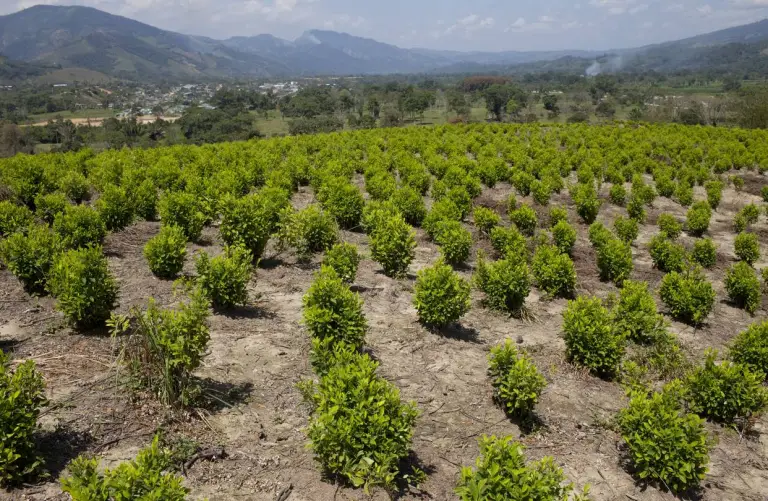
கொகெய்ன் அளிக்கும் கொக்கோ புதர் வளர்ப்பு கொலம்பியா (61%)  பெரு (26%) மற்றும்  பொலிவியாவில் (13%) மையம் கொண்டிருக்கிறது.

சர்வதேச போதைப்பொருள் பறிமுதல் புள்ளிவிவரங்கள் 2019 லிருந்து  ஐரோப்பிய கொகெய்ன் கள்ளச்சந்தை வணிகத்தின் முக்கியமான் விநியோக மையமாக ஆப்பிரிக்கா செயல்பட தொடங்கி இருப்பதை காட்டுகிறது  

2021ல் ஆப்பிரிக்காவில் பறிமுதல் செய்யப்பட்ட கொகெய்ன் அளவு  இது வரையில் இல்லாத அளவில் உச்சத்தை தொட்டிருப்பது சர்வதேச கொகெய்ன் பயன்பாடு மற்றும் கொகெய்ன் வளர்ப்பு உச்சத்தில் இருப்பதை காட்டுகிறது.

கோவிட் பெருந்தொற்றின் போது போக்குவரத்து துண்டிக்கப்பட்டிருந்ததால் கொரியர்  மூலம் அனுப்புவது போன்ற  பல புதிய வழிகள் கொகெய்ன் கடத்தலுக்கு கண்டுபிடிக்கப்பட்டன. அந்த புதிய வழிகள் கோவிட் தொற்றுக்காலத்துக்கு பிறகு அபரிமிதமாக வளர்ந்திருக்கின்றன. மீன்பிடி படகுகள், சொகுசுகப்பல்களோடு நீர்மூழ்கி கப்பல்களிலும் கொகெய்ன் கடத்தல் இப்போது  நடைபெறுகிறது.

கடல்வழி கொகெய்ன் பரிமாற்றம் தற்போது மிக அதிகரித்திருக்கிறது துறைமுகங்களுக்கு அப்பால், துறைமுகங்களுக்கு வரும் வழியில், துறைமுகங்களில் ஏன் நடுக்கடலில் கூட நீர்மூழ்கி கப்பல்களின் உதவியுடன் கொகெய்ன் பரிமாற்றம் நடக்கிறது. இதை கப்பல் உரிமையாளர்கள் பெரும்பாலும் அறிந்திருப்பதில்லை.
சுங்க அதிகாரிகளிலிருந்து, சரக்கு வாகன ஓட்டுநர்கள், கடைமட்ட துறைமுக தொழிலாளிகள் வரை இதில் சட்டவிரோதமாக ஈடுபட்டிருக்கிறார்கள். தொழில்நுட்பத்தின் உதவியுடன் கொகெய்ன் கடத்தல் நடப்பதால் அவற்றை கண்டுபிடிப்பது சவாலாகவே இருக்கிறது.

ஓபியத்துக்கு அடுத்தபடியாக சர்வதேச அளவில் பெரும் பிரச்சனையாக இருக்கும் போதைப்பொருள் கொகெய்ன் தான்.

பல ஆண்டுகளாகவே உலகமெங்கிலும் முக்கியமான போதைப்பொருளாக பரவலான உபயோகத்தில் இருக்கும் கொகெய்ன் வெள்ளை நிற மிருதுவான தூளாகவும், கிரேக் (crack) என்னும்  பொதுப்பெயரில் பலவிதமான கொகெய்ன் சேர்க்கப்பட்ட பொருட்களாகவும் சந்தைப்படுத்தப்படுகிறது. கொகெய்ன் நீரில் கரையும் ,  கிரேக் நீரில் கரையாது .

துகளாக கிடைக்கும் கொகெய்ன் அதிக போதையளிப்பதால் அதன் தேவையும் விலையும் மிக அதிகம் எனவே விற்பனை செய்பவர்களுக்கு லாபமும் அதிகம்.  கிரேக் போதையும் விலையும் குறைவு என்பதால் அது பெரும்பாலும்  ஸ்ட்ரீட் கொகெய்ன் என்னும் குறைந்த அளவிலும் பெயரிலும் விற்பனையாகிறது,

பறிமுதல் செய்யப்பட்ட கொகெய்ன் அளவு அதிகரிப்பது சந்தைக்கு சென்று சேரும் கொகெய்ன் அளவை குறைக்கிறது என்றாலும் கொகெய்ன் உற்பத்தியை இது எந்த விதத்திலும் பாதிக்கவில்லை

6.2  மில்லியன் வருடாந்தர பயனாளிகளுடன் பிராந்திய அளவிலான மாபெரும் கொகெய்ன் சந்தை வடஅமெரிக்காவில் இருக்கிறது. கொகெய்ன் கருப்பு சந்தை, ஊழல், சுரண்டல் மற்றும் குற்றங்களையும் தொடர்ந்து  அதிகரித்துக்கொண்டிருக்கிறது. கொகெய்ன் பயன்பாடு தீவிரமான உடல்கோளாறுகளையும் இறப்பையும் உண்டாக்கிக் கொண்டு இருந்தாலும் அதன் பயன்பாடும் அதிகரித்திருக்கிறது.

கொக்கோ புதரின் இலைகளிலிருந்து கிடைக்கும் கொகெயினின் மருத்துவப்பயன்பாடு  நெடிய வரலாறு கொண்டது, மருத்துவ பயன்பாட்டுக்கு  பின்னரே அது போதைப்பொருளானது.

இத்தாலிய கடலோடியான அமெரிகோ வெஸ்புச்சி (1451-1512) தனது கடற்பயண குறிப்புக்களில் முதன்முதலில் கொகெய்ன் குறித்து பதிவு செய்திருந்தார். இவரது பெயரிலிருந்துதான் அமெரிக்கா என்னும்  பதம் உருவானது. 

தொடர்ந்த 300 ஆண்டுகளுக்கு கொகெய்ன் மருந்தாகவே உபயோகிக்க பட்டுக்கொண்டிருந்தது.

1860-ல் ஆல்பர்ட் நிமேன் (Albert Niemann) கொக்கோ இலைகளிலிருந்து  கொகெய்னை பிரித்தெடுத்தார். 

இவரது மாணவர் வில்ஹெம் Wilhelm Lossen  1865ல் கொகெயினின் வேதியியல் வடிவதை கண்டறிந்தார்.

வில்ஹெமும் நீமேனும் இணைந்து  விலங்குகளில் கொகெய்னின் விளைவுகளை ஆய்வுகள் செய்தனர்.

பெருவியன் மருத்துவரான மோரினோ 1880ல் அவரது கொகெய்ன் குறித்த ஆய்வுகளின் முடிவுகளை வெளியிட்டு மனிதர்களின் கொகெய்ன் பயன்பாடு மற்றும் விளைவுகள் குறித்த கவலையையும் வெளிப்படுத்தி இருந்தார். அந்த அறிக்கையின் இறுதியில் கொகெய்னை அறுவை சிகிச்சைகளில் மயக்கமூட்டியாக பயன்படுத்தலாம் என்னும் பரிந்துரையையும் அவர் பதிவு செய்திருந்தார்.

ஆஸ்திரிய உளவியலாளர் சிக்மண்ட் ஃப்ராய்ட் தனது மன அழுத்தத்தை போக்க கொகெய்ன் பயன்படுத்தி அது வெற்றிகரமானதால், தனது சொந்த அனுபவத்தின் பேரில் கொகெய்னை மனஅழுத்தம், பாலியல் குறைபாடுகள் ஆகிய சிகிச்சைகளுக்கு பயன்படுத்தலாம் என்று அறிவித்தார்.  

1884 ல் சிக்மண்ட் ஃப்ராய்ட்  ’’கொக்கோவை பற்றி’’ (Über Coca)  என்னும் ஒரு ஆய்வுக்கட்டுரையை பிரசுரித்தார். அதில் கொகெய்னின் மருத்துவ உபயோகங்கள் விவரிக்கப்பட்டிருந்தது. அவர் பலருக்கு கொகெய்னை பரிந்துரைத்ததுடன் கொகெய்ன் அதிகமானால் ஆபத்தொன்றுமில்லை என்றும் சொல்லிகொண்டிருந்தார். ஆனால் அவர் பரிந்துரையின்படி மிக அதிக கொகெய்ன் எடுத்துகொண்ட அவரது நோயாளி ஒருவர் மரணம் அடைந்தார்.

1884, ல் கண் மருத்துவரான கார்ல் கொல்லர் (Carl Koller) கண் அறுவை சிகிச்சைகளில் சொட்டுமருந்தாக கொகெய்னை அளித்தார். பின்னர் மருத்துவர்கள் உலகெங்கிலும் மயக்கமூட்டியாக கொகெய்னை பரவலாக உபயோகிக்க தலைப்பட்டனர்.

நரம்புகளின் செயல்பாட்டை தற்காலிகமாக நிறுத்திவைக்கும் கொகெய்ன் ஊசிகளும் பிற்பாடு கண்டறியப்பட்டன. 

1896ல் கொக்கோ இலைச்சாறு கேச பராமரிப்பில் உதவுவதாக பல சுவரொட்டி விளம்பரங்கள் வந்தன.

மருத்துவ உபயோகங்களுக்கென மட்டும் பரவலாக அறியப்பட்டிருந்த கொகெய்னை 1863ல் இத்தாலிய வேதியியலாளர் ஏஞ்சலோ (Angelo Mariani)  வைனில் கொக்கோ இலைச்சாறு கலந்த இனிப்பு பானத்தை  Vin Mariani என்னும் பெயரில்  அறிமுகம் செய்து  பிரபலமாக்கினார். இதை  அப்படியே கொக்கோ கோலாவில் கலந்து புதிய பானமாக ஜான் பெம்பர்ட்டன் (John Pemberton)   1886ல் அறிமுகப்படுத்தினார்.  

 கொகெய்ன் இலைச்சாறும் கோலா கொட்டையின் சாறும் கலந்த கொக்கோ கோலா,  கோக், கஃபே கோலா, கோஸ் கோலா( Koke, Cafe-Cola, and Kos-Kola)  என்னும் பெயர்களில் விரைவில் புகழ்பெற்றது. அப்போது மருத்துவக் காரணங்களுக்காக கொகெய்ன்  தடையின்றி கிடைத்துக் கொண்டிருந்ததால் கொக்கோகோலாவில் அதை கலப்பது எளிதாக இருந்தது.

1850-லிருந்து 1900 வரையிலும் கொகெய்னும் ஓபியமும் கலந்த மந்திர மற்றும் மருத்துவ பானங்கள் சமுதாயத்தின் அனைத்து அடுக்கு மக்களாலும் பரவலாக உபயோகப்படுத்தப்பட்டன.

கொகெய்னின் புகழை பரப்பியவர்களில் தாமஸ் எடிசனும் நடிகை சாரவும் குறிப்பிடத்தக்கவர்கள்.( Sarah Bernhardt)

சினிமாத்துறையிலிருந்து வந்த கொகெய்னுக்கான பரிந்துரைகள் விரைவில் லட்சக்கணக்கானவர்களை சென்று சேர்ந்தது. கூடவே கொகெய்ன் பயன்பாட்டின் ஆபத்துகளும்  வெளிப்படத்துவங்கின. 1903ல் பொதுமக்களின் அழுத்தம் மற்றும் எதிர்ப்பு காரணமாக கொக்கோகோலா நிறுவனம்  கொக்கோகோலா பானத்திலிருந்து கொகெய்னை முற்றிலும் நீக்கியது.

1904 க்கு பிறகு புதிய கொகோ இலைகளுக்கு பதிலாக கொகெய்ன் எடுத்த பிறகு எஞ்சி இருக்கும் மிச்சங்கள் சேர்க்கப்பட்டது.1929 லிருந்து கொக்கெயின் இல்லாத இலைச்சாறு சேர்க்கப்படுகிறது.

ஆனால் கொகெய்னின் கிளர்ச்சியூட்டும் இயல்புகளுக்கு பழக்கப்பட்டுப்போன மக்கள் கொகெய்ன் துகளை மூக்கு வழியாக உறிஞ்சி போதையேற்றிக்கொள்வதை  வழக்கமாக்கியிருந்தனர். 1905ல்  இது மிக பிரபலமானது. அடுத்த ஐந்து வருடங்களில்  மூக்குப்பகுதியின் சிதைவு பல மருத்துவமனைகளில்  தொடர்ந்து கண்டறியப்பட்டது

1912-ல் மட்டும் 5000 கொகெய்ன் மரணங்களை அறிவித்த அமெரிக்க அரசு 1922-ல் கொகெய்னை முற்றாக தடை செய்தது.

இங்கிலாந்தின் கியூ தோட்டங்களிலிருந்து இலங்கைக்கு 1870-லும் இந்தியாவிற்கு 1883-லும் கொக்கோ பயிர் அறிமுகமானது

இந்தியாவில் கொக்கோ புதர்கள் மிக குறைவாக வளர்கின்றன.  கொகெய்ன் பயன்பாட்டிற்கெதிரான சட்டங்கள் இந்தியாவிலும் மிக கடுமையாகவே இருக்கின்றது.

1970களில் கொகெய்ன் புகைத்தல் மீண்டும் புழக்கத்துக்கு வந்தது. உற்சாகம் அளிக்கும் கொகெய்னை இளைஞர்கள் பெருவாரியாக எடுத்துக்கொண்டார்கள். 1970-ல் கொலம்பிய போதைப்பொருள் வியாபாரிகள் அமெரிக்காவில் கொக்கெய்ன் கள்ளச்சந்தை வணிகத்திற்கான மாபெரும் வலையை உருவாக்கினார்கள்.

அமெரிக்க பல்கலைக்கழகங்களில் கொகெய்ன் உபயோகித்த இளைஞர்களின் எண்ணிக்கை 1970-லிருந்து 1980-க்குள் பத்து மடங்கு பெருகியது.    பின்னர் செல்வந்தர்களுக்கான உயர்தர போதைப்பொருள் என்னும் இடத்திலிருந்து அடித்தட்டு மக்களுக்கானதாகவும் மாறி குற்றம், ஏழ்மை மற்றும் மரணத்துடன் மிக நெருங்கிய தொடர்பில் இருந்த கொகெய்ன் அமெரிக்காவின் மிக ஆபத்தான போதைப்பொருளாகி இருந்தது.

மத்திய நரம்பு மண்டலத்தை சடுதியில் சென்று சேரும் உணர்வுகளை விரைவில் தூண்டக்கூடிய, மிக பழமையான இயற்கையான மிக சக்திவாய்ந்த போதைப்பொருள் கொகெய்ன். கொகெய்னின் விளைவுகள் உடலில் 1 மணி நேரம் வரை இருக்கும்.

1990களில் கொலம்பிய கொகெய்ன் வியாபாரிகள் அமெரிக்கா ஆசியா  மற்றும் ஐரோப்பாவிற்கு கடல்வழியே பெருமளவு கொகெய்னை சந்தைப் படுத்தத் துவங்கினார்கள். 2008ல் கொகெய்ன் உலகின்  இரண்டாவது மிக அதிகமாக கடத்தப்படும் போதைப்பொருளாகி இருந்தது (மாரிவானாவுக்கு அடுத்து) இன்றைய தேதியில் கொலம்பியாவில் மட்டும் 300க்கும் மேற்பட்ட மாபெரும் கொகெய்ன் கள்ளச்சந்தை வணிக அமைப்புக்கள் மிகச் செயலாக இயங்கிக் கொண்டிருக்கின்றன.

வடக்கு சிலே பகுதியின் அகழ்வாய்வுகளில் கிடைத்த கிமு 1000-த்தை சேர்ந்த மம்மிகளின் உடலில் கொக்கோ பயன்பாட்டின் அடையாளங்கள் இருந்தன. இதுபோன்ற பல அகழ்வாய்வுகள் ஆண்டிஸ் பழங்குடியினரின் கொக்கோ பயன்பாடு சுமார் 3000 வருட வரலாற்றை கொண்டிருப்பதை காட்டுகிறது

கிருஸ்துவுக்கு மூவாயிரம் ஆண்டுகளுக்கு முன்பே மலைஉச்சியில் வாழ்ந்த இன்கா பழங்குடியினர் அச்சூழலின் சுவாசசிக்கல்களுக்கு தங்களை பழக்கப்படுத்திக்கொள்ள லேசான இனிப்புச்சுவைகொண்ட கொக்கோ இலைகளை மெல்லும் வழக்கத்தை கொண்டிருந்தார்கள். கொக்கோ இலைகளை சுண்ணாம்புடன் சேர்த்து  மெல்லும்போது அவர்களின் இதயம் வேகமாக துடித்தது சுவாசமும் விரைவானது

வாரி, பெருவிய  மற்றும் பொலிவிய தொல்குடியினர் மதச்சடங்குகளின் போது மட்டும் கொக்கோ இலைகளை உபயோகித்தார்கள்.

பொலிவிய ஆண்டிஸ் பழங்குடியினரின் ஐமரா மொழியில் “Khoka” என்றால் மரம் என்று பொருள்.அதுவே இன்றைய நவீன கொக்கோவின் (Coca)  வேர்ச்சொல்.

அப்பழங்குடியினர் இந்த இலைகளுக்கு மந்திர பண்புகள் இருப்பதாகவும் நம்பினர். மரத்திலிருந்து கீழே விழும் கொக்கோ இலைகளின் வேகம் அவை வீழும் இடங்கள் ஆகியவற்றைக்கொண்டு ஆவிகளின் நடமாட்டத்தையும் அவர்கள் கணித்தனர்.

ஆண்டஸ் மலைப்பகுதியின் கொக்கோ இலைகள் அமேஸான் பகுதியின் கனிகள் மற்றும் தோலாடைகளுக்கும், பசிபிக் பகுதியின் சிப்பிகள் மற்றும் மீன்களுக்கும் பண்டமாற்றாக அளிக்கப்பட்டபோது  கொக்கோ இலைகளின் கிளர்ச்சியூட்டும் இயல்புகள் மேலும் பல இடங்களுக்கு பரவியது.

இன்கா பழங்குடியினர் கொக்கோவை  தொடர்ந்து பயன்படுத்திக் கொண்டிருக்கையில் 1532ல் ஸ்பானிஷ் படையெடுப்பு நடந்து. பின்பு கொக்கோ சாகுபடியும் இன்கா பழங்குடியினருக்கு  தினக்கூலியுடன்  கொக்கோ இலைகள் கொடுப்பதும் பரவலாகியது.

19-ம் நூற்றாண்டை சேர்ந்த மனிதவியலாளரும் நரம்பியல் நிபுணரும் மனிதகுலத்தின் எதிர்காலத்தை மாற்றியமைக்கும் உணவுப்பொருட்களை குறித்த ஆய்வில் இருந்தவருமான இத்தாலியை சேர்ந்த  மண்டிகாஸா (Mantegazza) தென்னமரிக்க பழங்குடியினரின் கொக்கோ பயன்பாட்டை  அவர்களுடனேயே பலவருடங்கள் தங்கி இருந்து ஆரய்ந்து தானுமதை உண்டு, பிரபலமான “On the hygienic and medicinal properties of coca and on nervous nourishment in general”என்னும் கட்டுரையை வெளியிட்டார்

அந்த கட்டுரையின் ஒரு பத்தியில் மண்டிகாஸா கொக்கோவின் அனுபவத்தை இப்படி சொல்லுகிறார்

“…God is unjust because he made man incapable of sustaining the effect of coca all life long. I would rather have a life span of ten years with coca than one of 10 000 000 000 000 000 000 000 centuries without coca.”

பொலிவியா, பெரு மற்றும் கொலம்பியாவில் கொக்கோ புதர்களிலிருந்து கொகெய்ன் அடர்காடுகளில் அமைக்கப்பட்டிருக்கும் ஆய்வகங்களில் பல வேதிமாற்றங்களுக்கு பின்னர் தயாராகிறது. அமெரிக்காவுக்கு மெக்ஸிகோ வழியே வரும் கொகெய்னில் 90% கொலம்பியாவிலிருந்துதான் வருகிறது.  

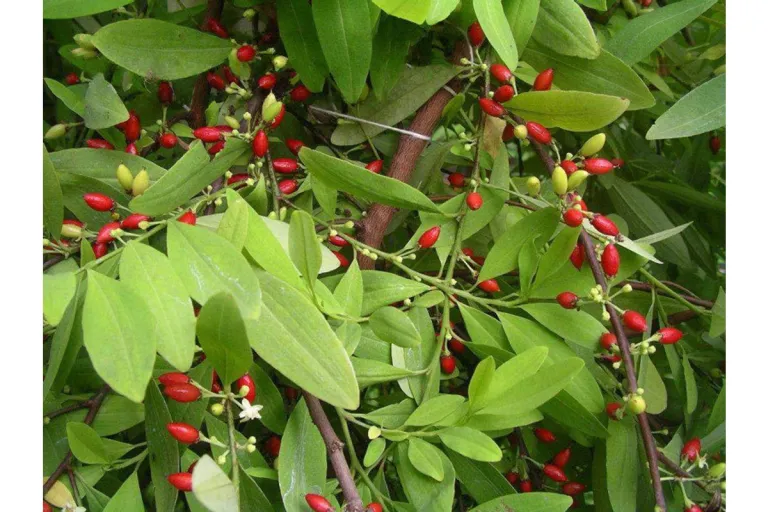
கொகெய்னை அளிக்கும் இரு தாவரங்களில் முதன்மையானது Erythroxylum coca. இது எரித்ராக்ஸைலேசி குடும்பத்தை சேர்ந்தது. (மற்றொன்று Erythroxylum novogranatense). இது வடமேற்கு மற்றும் தென்னமரிக்காவை தாயகமாக கொண்டது.  எரித்ராக்ஸைலான் பேரினத்தின் நான்கு சிற்றினங்கள் பல்வேறு ஆல்கலாய்டுகளுக்காக பயிரிடப்படுகின்றன அவற்றில் இவை இரண்டு மட்டும் கொகெய்ன் ஆல்கலாய்டுகளுக்காக வளர்க்கப்படுபவை.

அமெரிகோ (Amerigo Vespucci)  1499-ல் கொக்கோ புதரை விவரித்து தென்னமரிக்க பழங்குடியினர் மயக்கம் மற்றும் பசியை வெல்ல இதன் இலைகளை மெல்லுவதை அவரது கடற்பயணக்குறிப்பில் எழுதியிருந்ததே கொக்கோ செடியை குறித்த முதல் எழுத்து பூர்வ ஆதாரம்

2லிருந்து 3 மீ உயரம் வரை வளரும் கொக்கோ செடி அடர்ந்த புதர் வகை வளரியல்பை கொண்டது. நிமிர்ந்த தண்டுகளையும் நுனி குறுகிய பசிய முட்டை வடிவ மெல்லிய இலைகளையும் கொண்டிருக்கும். இலை நடுநரம்பின் இருபுறமும் சற்றே மேடிட்டிருக்கும் நரம்பமைப்பு கொக்கோ இலைகளுக்கான பிரத்யேக அடையாளம்.

சிறிய மஞ்சள் மலர்கள் குட்டையான காம்பு கொண்ட கொத்துக்களாக அமைந்திருக்கும். கனிகள் சிவப்பு நிறத்தில் இருக்கும்.அமிலத்தன்மை கொண்ட மண்ணில் இவை செழித்து வளரும்.

Erythroxylum பேரினத்தின் நூற்றுக்கணக்கான சிற்றினங்களில்  Erythroxylum coca , Erythroxylum novogratense  இரண்டில் மட்டுமே குறிப்பிடத்தக்க அளவில் கொகெய்ன் ஆல்கலாய்டு இருக்கிறது. இவற்றின் உலர் கொக்கோ இலைகளில் 2% கொகெய்ன் இருக்கும். மேலும் 23 சிற்றினங்களில் மிக மிக குறைவான அளவில்  (0.001%.) கொகெய்ன் இருக்கிறது.

பலவகையான தாவரங்களில் இருக்கும் ஆல்கலாய்டுகளை நல்லதும் அல்லதுமாக பலவிதங்களில் மனிதகுலம்  உபயோகிக்கின்றது. குருமிளகில் பைப்ரின், கோகோ கனிகளில் தியோபுரோமின், காப்பிக்கொட்டை மற்றும் தேயிலையில் கேஃபின், கசகசா கனியில்  மார்பைன், புகையிலையில் நிக்கோட்டின் என பல  ஆல்கலாய்டுகள் வணிகரீதியாக முக்கியமானவை இவற்றில் கொகெய்ன் உலகநாடுகளின் பெரும் சவாலாகிவிட்டிருக்கிறது.

1970ன்  அமெரிக்க போதைப்பொருள் தடுப்புச்சட்டம் போதை உண்டாகும், அடிமைப்படுத்தும், மருந்துப் பொருளாகவும் பயன்படும் பொருட்களை ஐந்து வகையாக பிரித்து பட்டியலிட்டிருக்கிறது. அதில் பட்டியல் இரண்டில் (Schedule II) வரும் கொகெய்ன் அரிதாக மருத்துவ உபயோகங்கள் கொண்டிருக்கிறது.

கொகெய்னின் பிற புழங்கு பெயர்கள்

 beam, big C, blow, Carrie Nation, coke, girl, her, lady, leaf, nose candy, snow, snowbirds, stardust, white (வெள்ளைப்பொடிக்கு மட்டும்), basa, crack, electric kool-aid, flake, rock (crack cocaine), banano, bazooka, and tio (கொகெய்ன் சேர்க்கப்பட்ட  மாரிவானா சிகரெட்)

இந்தியா மற்றும் ஜாவாவிலும் கொக்கோ சாகுபடியாகிறது. ஓராண்டில் 4 அல்லது 5 முறை கொக்கோ புதரிலிருந்து இலைகளை அறுவடை செய்யலாம். இலைகள் உலர்த்தப்பட்டு பின்னரே ஆய்வகங்களுக்கு அனுப்பப்படுகிறது. கடல் மட்டத்திலிருந்து  1000லிருந்து 2000 மீ உயரத்தில் மட்டும் வளர்க்கப்பட்ட கொக்கோ புதர்கள் இப்போது காடுகளின் கீழ்ப்பகுதிகளிலும் வளர்க்கப்படுகிறது.

பொலிவியா மற்றும் பெருவிலிருந்து கொக்கோ வளர்ப்பை அழிக்க ராணுவம் மற்றும் காவல் துறையை ஈடுபடுத்தி அமெரிக்கா ஆண்டு தோறும் கோடிக்கணக்கில் செலவு செய்கிறது. கொக்கோ இலைகளை உண்ணும் பூச்சிகள் கண்டுபிடிக்கப்பட்டுக் கொண்டிருக்கின்றன கொக்கோ நாற்றுகளில் நோய் உண்டாக்கும் கிருமிகளை குறித்த ஆய்வும் நடைபெறுகிறது.

கொலம்பிய கொக்கோ சாகுபடி ஆகும் பிரதேசங்களில் வான்வழியே பயிர்களை அழிக்கும் மருந்துகளை தெளிக்கும் நடவடிக்கையும் அம்மருந்துகள் பொதுமக்களின் நலனுக்கும் சூழலுக்கும் உருவாக்கும் கேடுகளை கருத்தில் கொண்டு நிறுத்தி வைக்கப்பட்டிருக்கிறது.

 எனினும் கொக்கோ சாகுபடியில் ஈடுபட்டிருக்கும் விவசாயிகளுக்கு அதைக்காட்டிலும் அல்லது அதே அளவுக்கு லாபம் அளிக்கும் மாற்றுப்பயிரொன்றை கண்டுபிடிக்கும் வரை இந்த சிக்கல் தீரது என்பதையும் அமெரிக்க அரசு உணர்ந்திருக்கிறது
அமெரிக்கா ஐரோப்பா  மட்டுமல்ல பல உலகநாடுகள் கொகெய்னுக்கு எதிராக நடத்துவது வெறும் கடினமான சட்டபூர்வ நடவடிக்கை மட்டுமல்ல போதைபொருளுக்கெதிரான் போர்தான் அது

அதீத மற்றும் தொடர்ந்த கொகெய்ன் பயன்பாடு மூக்கில் ரத்தம் வடிதல், பசியின்மை, சிறுநீரக கோளாறு,  வலிப்பு நோய், இதயக்கோளாறுகள் மற்றும் மரணத்தை உண்டாக்கும்.

இன்னும் அவ்வளவாக அறிமுகமாகியிருக்காத பிரதேசங்களிலும் தற்காலிக கிளர்ச்சியூட்டியான கொகெய்ன் பயன்பாடு இணைய உலகில் மும்முரமாக இயங்கும் இளைஞர்களுக்கு எளிதில் அறிமுகமாகும் ஆபத்து இருக்கிறது.

கொகெய்னுக்கெதிரான தடுப்பு நடவடிக்கைகள் தீவிரமடையும் போது கொகெய்ன் கள்ளச்சந்தை வணிகமும் புதிய வழிகளையும், புதிய வடிவங்களையும் கண்டுகொள்கிறது 

கொலம்பிய காடுகளிலிருந்து அமெரிக்க வீதிகளுக்கு வரும் கொகெய்ன் பயணத்தை, கொகெய்ன் சந்தை, கொகெய்ன் புழங்கும் ரகசிய உலகின் வாழ்வு மற்றும் மரணம், கொகெய்ன் கடத்தலுக்காக துறைமுகங்களை கைப்பற்ற நடக்கும் கொகெய்ன் போர்களை பேசும். 2020ல் வெளியான டோபி மியூஸின்  முதல் நூலான ’கிலோ.(Kilo) கொகெய்ன் குறித்த நூல்களில் மிக முக்கியமானது.

பிரிட்டிஷ்-அமெரிக்க எழுத்தாளர், ஆவணப்பட இயக்குநர் மற்றும் தொலைக்காட்சி இயக்குநரான டோபி மியூஸ்  ’’நாம் இப்போது கொகெய்னின் பொற்காலத்தில் வாழ்ந்துகொண்டிருக்கிறோம்’’ என்று இந்த நூலில் குறிப்பிட்டிருப்பது  மிகுந்த கவலையளிக்கிறது.

கொக்கோ புதர் சாகுபடி , கொகெய்ன் வேதிமாற்றம், கள்ளச்சந்தை வணிகம், போதைப்பொருளாக அதன் பயன்பாடு ஆகியவை மிக மிக நீண்ட சங்கிலித் தொடரானாலானவை. அதன் கண்ணிகள் ஒவ்வொன்றும் மிக முக்கியமானவை, மாபெரும் வலையொன்றினால் பிணைக்கப்பட்டவை.

மேலதிக தகவல்களுக்கு:

https://www.unodc.org/unodc/en/drug-trafficking/index.html
https://www.unodc.org/documents/wdr/WDR_2010/1.3_The_globa_cocaine_market.pdf
https://www.drugfreeworld.org/drugfacts/cocaine/a-short-history.html

தாவரவியல் அகராதி-F

F1 hybrid-A single cross; a plant breeding term for the result of a repeatable cross between two pure bred lines.

F2 hybrid A plant breeding term for the result of a plant arising from a cross between two F1 hybrids; may also refer to self-pollination in a population of F1 hybrids.

Faba -a bean, அவரை-(Vicia faba)

Fabaceus-Consisting of beans-அவரையினம்

Fabalia-Bean-stalks -அவரைக்காயின் காம்பு

Faber-Bean grower- அவரை சாகுபடியாளர்.

Fabiform -Shaped like a kidney bean- ராஜ்மா அவரை விதை வடிவம்(சிறுநீரக வடிவம்)

Fabiformis-Bean-shaped- அவரை விதை வடிவம்

Fabrefactus-Undeveloped, rough, coarse, primitive, rude, untilled, uncultivated- raw- முதிராத, சாகுபடி செய்யப்படாத, வளர்ச்சியடைந்திருக்காத.

Fabric- Very thin, thread-like strands -இழைமம்

Fabricatus-Constructed- கட்டமைக்கப்பட்ட,

Faceted- With many plane surfaces- பல முகப்புக் கொண்டிருக்கிற, பல பட்டைகள் கொண்டிருக்கிற.

Faeces-Bodily waste discharged-மலக்கழிவுகள்

Faecula-  Dried lees of wine, argol, tartar (used as a condiment or medicine)- உலர்ந்த  வைன் வண்டல்.

Faeculentia-Containing dirt, sediment, or waste matter-கசடை வண்டலை கழிவைக் கொண்டிருக்கிற.

Faeculentus-full of, abounding in-ஏராளமான.

Faenum-Any dried plant ,hay  faenum Graecum meaning “Greek hay” -உலர்ந்த தாவரம், வைக்கோல்.

Faetidus-That has an ill smell, evil-smelling, stinking, fetid; foul; having a disagreeable smell of any kind, disgusting- கெடுமணம்  கொண்ட,துர்நாற்றம் கொண்ட, மலம் போல் நாறுகின்ற.

Faetor- Bad / foul smell, stink- நாற்றம்

Faetulentus-Foul-smelling -கெடுமணம் கொண்ட

Faex-Sediment dregs of liquids- கரைசலின் வண்டல்

Falcarius- Resembling or relating to a sickle –  கதிரறுவாள் வடிவத்தை ஒத்த.(Aongstroemia falcataria)

Falcate- Sickle-shaped-கதிரறுவாள் வடிவம்.

Falcate-Curved like the blade of a scythe-புல் அறிவாள் வடிவிலிருக்கிற,

Falcatus-Sickle-shaped, curved as the blade of a sickle or scythe; “plane and curved, with parallel edges, like the blade of a reaper’s sickle; as the pod of Medicago falcata- சில தாவரங்களின் கனிகளின் நுனி வளைந்த கதிரறுவாள்  வடிவத்தை குறிக்கும் சொல்.

Falces-A tool with a curved blade for cutting grain- தானியங்களை அறுக்கும் வளைந்த அரிவாள்.

Falcicornis-With falcate or sickle-shaped horns , Bilabrella falcicornis; Oncidium falcicorne- ஆர்கிட் மலர்களின் அரிவாள் போன்ற அமைப்பை குறிக்கிறது.

Falci-Curved- (as in a sickle) falciformis, sickle-shaped- கதிரருவாள் வடிவம்.

Falconeri- As epithet-Hugh Falconer (1808 – 1865), Scottish doctor, geologist and Botanist in India from 1830 to 185.(The flower Rhododendron falconeri was named after Falconer by Joseph Dalton Hooker.) ஸ்காட்லாந்தை சேர்ந்த தாவரவியலாளர்.

Fallow-Unploughed, “plowed land or a piece of it; land ordinarily used for crop production when allowed to lie idle either in a tilled or untilled condition during the whole or the greater portion of the growing season: the plowing or tilling of land without sowing it for a season;” to break up land “without seeding for the purpose of destroying weeds and conserving soil moisture” – தரிசு நிலம்; பயிரிடப்படாத நிலம்; பயிரிடா நிலம்

Family-A taxonomic group of one or more genera with features, ancestry, or both in common. It is the term for the principal rank between order and genus-தாவரக்குடும்பம்.

Farina- Flour,’ ‘dust or powder of any kind;’ dry, flour-like powdery covering, “Blair’s term for pollen”  (in fungi) “the powdery material on a soredium -உலர்ந்த பொடி, துகள்

Farinaceous-Powderiness -that is mealy- மாவுக்குரிய, மாப்போன்ற, உலர் பொடியாக்கப்பட்ட, புள்ளிகளுள்ள, வெளிறிய.

Farinaceus- Mealy, floury, starchy, containing starchy matter; of a mealy texture or odor-மாவு கொண்டிருக்கிற, மாவுபோன்ற, மாவின் மணம் கொண்டிருக்கிற.

Farina-Powdery, pale yellow, crystalline secretion consisting of flavonoids in Primula and other species- சில வகைத்தாவரங்களின் குருணைபோன்ற கசிவு.

 Farinose- Mealy-textured, often whitish or greyish- வெள்ளை அல்லது சாம்பல்   நிறம் பூசினாற்போல 

Farinosus- Mealy, covered with farina, or starchy matter, pollinose; “covered with a white mealy substance, as the leaves of Primula farinosa”- மாவு போன்ற பொருளால் சூழப்பட்டிருக்கிற.

Fascia-Bandage, band, girdle; a cross-band, as of color; the fascia (Diatoms)-குறுக்குப்பட்டை.

Fasciarius- Band- or ribbon-shaped; “narrow; very long, with the two opposite margins parallel, as the leaves of the Seawrack-“banded, or band-shaped, narrow and long, with parallel margins -நாடாபோன்ற அமைப்பு.

Fasciate- Teratologically grown together, as of several stems into one  often monstrous, an abnormal proliferation- பல தண்டுகள்/ கிளைகள் இணைந்து பிரம்மாண்டமாக வளர்ந்திருக்கும் அமைப்பு.

Fasciatim- In bundles, a bundle of wood- கற்றையாக

Fasciatus- Marked transversely with broad parallel stripes of color- அகலமான குறுக்குப்பட்டைகள்  கொண்டிருப்பது.

Fascicle -A bundle arising from a common base- grouping of branches, flowers, pedicels, roots, hairs- ஒரு மையத்திலிருந்து உருவாகும் கற்றை. கிளைகள்/ மலர்கள், மலர்க்காம்புகள், வேர்கள் /தண்டுகளின்  ஒற்றைத்தொகுப்பு.

Fascicularis- Relating to a fascicle or bundle.Cambium fasciculare, the fascicular cambium- கற்றையை குறிப்பிடும் சொல்.

Fasciculatum-in the manner of a fascicle, fasciculately, i.e. in fascicles, in bundles, in bunches-கொத்தாக கற்றையாக.

Fasciculatus- Growing in bundles or fascicles, as when several stems grow together or coalesce, also of branches, hairs, leaves, etc.; bundled or bunched together, as in the manner of branching in Sphagnum- கற்றையாக வளர்தல்.

Fasciolaris-, fasciolatus, fasciated- Showing abnormal fusion of parts or organs, resulting in a flattened ribbon-like structure-தட்டையான நாடா போன்ற அமைப்பு.

Fascis- A bundle of wood, twigs, straw, a fagot; a packet, parcel – குச்சிகளின் சிறு கட்டு,பொதி, வைக்கோல் பொதி, சுள்ளிக்கட்டு 

Fashioned- Constructed- கட்டமைக்கபட்ட.

Fastigiate – Broom-like appearance- துடைப்பம் போன்ற தோற்றம் கொண்டிருக்கிற.

Fastigiatio-“When branches become more or less parallel with the main stem” -மையத்தண்டுக்கு இணையாக கிளைகள் வளர்ந்திருப்பது.

Fastigiatum- With organs nearly parallel and pointing upward- இணையாக மேல்நோக்கி வளர்ந்திருப்பவற்றை குறிக்கும் சொல்.

Fastigiatus- Parallel, clustered and erect, as the branches of Populus fastigiata, இணையாக குழுவாக நேராக வளர்ந்திருப்பவை.

Fatiscens- Disintegrating, crumbling, disappearing, ‘to open in chinks or clefts, to gape or crack open, to fall apart, tumble to pieces; to grow weak, become exhausted, to droop, faint; விரைவில் உதிர்ந்துவிடுகிற, உடையும் தன்மை கொண்டிருக்கிற.

Faucal- Pertaining to the throat of a perianth, the calyx or corolla- அதழ் அல்லது இதழ்களின் கழுத்துப்பகுதி.

Fauces- The orifice or throat of a gamopetalous corolla or calyx; the part between the proper tube and the limb, the throat is referred to as the ‘fauces’ – குழல் வடிவ மலர்களின் கழுத்துப்பகுதி.

Faux- Upper part of throat, ‘jaws, gullet, throat;’ in the singular it is the “orifice of calyx, or corolla, mouth, entrance;” “the orifice or throat of a gamopetalous corolla or calyx; the part between the proper tube and the limb” -குழல் வடிவ மலர்களின் மேற்பகுதி.

Faveolate-Honeycombed; having regular, angled pits. Compare foveolate.

Faveolatus- Faveolate, pitted, finely honeycombed- நுண்ணறைகள் கொண்டிருக்கிற, குழிகள் கொண்டிருக்கிற.

Favularius- Finely honeycombed – நுண்ணறைகள் கொண்டிருக்கிற.

Favulus- A little honey-comb-சிறு சிறு அறைகள் கொண்டிருக்கிற.

Favus- Honey-comb- தேன் கூடு போன்ற.

Fawn-color- Fawn-colored, light brown tinged with yellow-காவி கலந்த இளமஞ்சள் நிறம்.

Feather-Having veins which proceed from a midrib at an acute angle,with veins all proceeding from the sides of a midrib- pinnatifid, pinnately cleft or lobed half the distance or more to the midrib, but not reaching the midrib; divided almost to the axis into lateral segments, something in the way of the side divisions of a feather- pinnatifidus- இறகு போன்ற.(இலை நரம்பமைப்பைக் குறிப்பது)

Fecalis- Relating to, being, or involving feces – கழிவு, மலம் தொடர்பான.

Fecatus- Made from the dregs or lees; (Vinum faecatum, wine pressed from the dregs)- வண்டலிலிருந்து உருவான.

Fecula- Dried lees of wine, argol, tartar (used as a condiment or medicine)   dregs, sediment; lees; syn. Flocces- உலர்ந்த வைன் வண்டல்

Feculentia- Starch or similar substance; thick with sediment,feculent, muddy, thick with sediment, abounding in dregs or sediment, thick, impure, feculent (of fluids) full of sediment, thick- அசுத்தமான வண்டலாக படிந்திருக்கிற.

Feculentus- Full of sediment, thick- வண்டல் நிறைந்த.

Fecundans-To make fertile or fruitful- வளமாக்குகிற,

Fecundatio- The period during which the flower is open- மலர்கள் மலரும் காலம்.

Fecundatus- Made fruitful, fertilized- கருவுற்றவை. 

Fecundus- Fertile, rich; fertilizing, giving life- வளமானவை.

Felicitas- Fruitful, fertile -வளமை.

Felling- ‘Abruptly cutting or breaking off or away below, cutting through, cutting down, felling.’- வெட்டுப்படுகிற, வெட்டுகிற.

Fell-The treeless rocky area above timberline, or in frigid zones dominated by low plants or by graminoids: மரவரைக்கு மேல் இருக்கும் மரங்களற்ற  கீழ்நிலைத்தாவரங்கள்,சிறு செடிகள்/ புற்கள்  மட்டும் இருக்கிற/ பாறைப்பகுதி.

Felted-Having interlocked hairs to the extent of being matted- பின்னிப்பிணைந்த மென்மயிர்களின் பாய் போன்ற அமைப்பு.

Female flower-(Pistillate flower), the flower which contains only the female reproduction part. It is the only collection of carpels and stamens (male reproductive part) that is absent. Such flowers are unisexual female flowers.-பெண் மலர் ஒருபால் மலர், மகரந்தங்கள் இல்லாத சூலகம்  கொண்டிருக்கும் மலர்.

Fen- Low-lying wet land with grassy vegetation; usually is a transition zone between land and water. Synonyms. fenland, fenland, marsh, marsh, marshland- தாழ்ந்த சேற்று நிலம்’

Fence-A line of wooden or metal posts joined by wood, wire, metal, etc. to divide  landor to keep in animals.-நிலத்தைப் பகுதிகளாகப் பிரிப்பதற்காக அல்லது விலங்குகளை உள்ளிட்டுக் காப்புச் செய்வதற்காக அமைக்கப்படும், மரம், கம்பி, உலோகம், முதலியவற்றால் இணைக்கப்பட்ட மர அல்லது உலோகக் கம்பங்களின் வரிசை; வேலி.

Fenestra- Window, opening- திறப்பு, சாளரம்

Fenestrate-Having translucent or transparent areas that let light through; this variously affects the behavior of animal visitors or permits photosynthesis in many arid-region plants that grow only to the soil surface. Also refers loosely to perforations, for which perforate is the more precise term- துளைகளும் திறப்பும் கொண்டிருக்கிற.

Fenestratus- Windowed, provided with openings; with broad, window like openings, a more extreme condition than perforate: Pierced with holes, as the septum in some Cruciferae- சாளரங்களை ஒத்த திறப்பு அல்லது துளை கொண்டிருக்கிற.

Fenestrella- a little opening or window.- சிறு திறப்பு, சிறிய வாயில்.

Fenestrellatus- A little opening or window- சிறு திறப்பு

Fenestrelliformis- In the shape of a little window; window-like, such as an opening- சிறு வாசல் போலிருக்கிற, சிறிய சாளரம் போன்ற வடிவம்

Feneus- hay-like, like hay- வைக்கோல் போன்ற

Fenney-   Muddy,dirty, filthy-கலங்கிய, சகதியான

Fenny-  Loving or growing in marshes -சதுப்பு நிலத்தில் வாழ்கிற, சதுப்புப் பகுதிகளை விரும்புகிற.

Fenum- Hay, grass cut and cured for fodder-தீவனத்திறகாக வெட்டப்பட்ட, பதப்படுத்தப்பட்டபுல் அல்லது வைக்கோல்

Fere-nearly- Almost, for the most part, about, virtually; approximately; (but not in the sense of ‘usually’ or ‘mostly- ஏறக்குறைய, தோராயமாக

Ferens-Carry, bear, bring- கொண்டிருக்கிற, அளிக்கிற, வைத்திருக்கிற.

Ferreus-Iron, relating to iron- இரும்பு தொடர்பான, இரும்புக்குரிய, இரும்பு அடங்கிய.

Ferruginescens- Becoming the color of rust, rusty-red.செந்துருவின் நிறமாகிற.(Bryoerythrophyllum ferruginascens )

Ferrugineum- The rust-redcolor – செந்துரு நிறம்.(Rhododendron ferrugineum)

Ferrugineus- The color of iron-rust, dark-red, rusty, light brown with a little mixture of red; the taste of iron- அடர் சிவப்பு நிறம், செந்துருவின் நிறம், சிவபு கலந்த பழுப்பு நிறம், இரும்பின் சுவை.

Ferruginous-Ruddy or rust-colored- செந்துருவின் நிறம்.

Ferrugo-iron rust-இரும்புத்துரு

Ferrumequinum-A horseshoe- குதிரை லாட வடிவம்

Ferrum-iron-இரும்பு.

Fertile -Capable of producing fruit; of flowers when they produce seed, or of anthers containing pollen, Capable of bearing seeds or pollen, capable of producing offspring ; (of land) having nutrients capable of sustaining an abundant growth of plants- விதைகள் அல்லது மகரந்தங்களை கொண்டிருக்கிற,  வளமான, செழிப்பான, வளமான, இனப்பெருக்கமிக்க,   நிறைதிறமுடைய,   வளமிக்க.

Fertilization- The union of male and female gametes during sexual reproduction, fertilization, impregnation- கருவுறுதல், கருச்சேர்க்கை, வளமாக்கல்,

Fertilized-Made fruitful, fertilized- கருவுற்ற.

Ferula- The thin or slender branch of a tree;சிறுகிளை- பிரம்பு, ஆணைக்கோல்

Fervens-Be boiling hot- அதி வெப்பமான, சுடர் விட்டு ஒளிர்கிற

Festinus-Haste, hurry, speed- விரைவான

Fetens- having a bad smell, stinking, to stink, to smell badly, the whole herb strongly stinking, especially the root. கெடுமணம் கொண்டிருக்கிற(வேரைக்குறிப்பது).

Fetid -An offensive odour- கெடுமணம்

Fetid-stinking- நாற்றமடிக்கிற

Fetidus-Disgusting; see stinking; see putrid; cf. graveolens,-entis   ‘strong-smelling.’Sterculia foetida; Thalictrum foetidum; Ticoria foetida- நாற்றமடிக்கிற.

Fetor- an offensive smell, a stench; foulness, noisomeness- முடை, புழுங்கிய நாற்றம்.

Fetulentus- Stinking- நாற்றமடிக்கிற.

Fetus-Unborn, embryo- கரு, கருவில் இருக்கும் சிசு, முதிர்கரு

Fex- Excrement, solid motions-கழிவு, கழிவுப்பொருள், எரு, சாணம், வண்டல், மண்டி.

Fiber- A fiber, filament, நார், நாரிழை.

Fiber cell- Slender cells, many times longer than they are wide, A type of cell that is found in sclerenchyma; it is much elongated, and dies soon after an extensive modification of its cell wall. The cell wall is usually thickly lignified but is sometimes gelatinous. நாரிழை.

Fibered- Multifibris, with many fibers- நார் கொண்டிருக்கிற,

Fibra- Sheathing leaf, bade (of grasses, etc.) One of the subdivisions of a plant’s root- புல்தாள் உறை, வேரின் சிறுகிளை.

Fibrate- Fibrous.-நார்த்தன்மைய,நாருருவான

Fibril- A very small fiber; the roots of Lichens; any kind of small thread-shaped root; also applied occasionally among Fungals to the stipe; the fine, fiber-like wall thickenings in hyaline cells and sometimes cortical cells of Sphagnum; (in fungi) “a minute fiber, thin and threadlike; see ‘fibrillose- நுண்ணிழை

Fibriliformis-ஸ்haped like a fibril-இழை போன்ற தோற்றமுடைய.

Fibrilliger-Fibril-bearing, forming fibrils-இழை உருவாக்கம், இழை கொண்டிருக்கிற.

Fibrillose -Having small fibres- நுண்ணிழைகள் கொண்டிருக்கிற.

Fibrillosus-Covered with firm thin fibers, hairy- இழைகளால் சூழப்பட்ட, தூவிகள் கொண்ட.

Fibrillula-a very small fiber-மிக நுண்ணிய இழை

Fibrillulosus- With very small fibers (fibrilules) -நுண்ணிழைகொண்டிருக்கிற.

Fibrous roots – A branched root system, with all of the branches of about equal thickness- வேர்த்தூவிகள், சல்லிவேர், சிம்புவேர், வேரிழை

Fibrous- நாரியல்பு,நார்த்தன்மையுள்ள,நார்ச்சத்து நிறைந்த,இழைம, நார்த்தன்மையுடைய,நாருடைய, சிம்புவேர்போன்ற,நார்போன்ற

Ficulneus- Of the fig or fig tree-அத்தி மரத்தை குறிப்பது

Ficus- Any of a genus (Ficus) of chiefly tropical trees, shrubs, and woody vines of the mulberry family that have deciduous or evergreen leaves- அத்தி.

Fiddle-(of a leaf shape) Having rounded ends and a contracted center-சுருளி இலை, சுருள் இலை, நுனி இலைச்சுருள்.

Fidus- Divided (usually within the outer third of the structure or organ)- பிளந்த, பிளவுற்ற.

Fields-  An area of land on a farm, usually surrounded by fences or walls, used for growing crops or keeping animals in- சாகுபடிக்கான வயல்,நிலம், புலம், களம்,

Filament- The stalk that supports the pollen bearing anther in the male reproductive organ (stamen) of a flower; a long strand of similar cells joined end to end, as found, for example, in certain bacteria, algae, and fungi- இழை, மகரந்தத்தாள்.

Filamentous- Like a filament; thread-like- இழையுரு, நாருரு.

Filbert-  small nut-bearing tree much grown in Europe. synonyms:  small nut-bearing tree much grown in Europe. synonyms: Corylus avellana, Corylus avellana grandis, cobnut. hazel, hazelnut, hazelnut tree., cobnut. hazel, hazelnut, hazelnut tree- பழுப்பு நீல நிறமுள்ள கொட்டைவகை, கொட்டைவகை தரும் மரம், உண் கொட்டை(Hazelnuts)

Filiform -Thread-like, e.g. stamen filaments or leaf shapes.-  கயிற்றுவடிவம், நூல்போன்ற,சாட்டை அமைப்பு, இழையுரு.

Filum- A threadlike structure; filament- கயறு போன்ற, நூல், இழை

Fimbria- A natural prolongation or projection from a part of an organism either animal or plant.-மெல்லிழை,விளிம்பு மயி.ர்

Fimbriae- Hair-like appendages,Slender, hair-like projection -விளிம்பிழை,விளிம்புக் கீற்று,இதழ் விளிம்பு

Fimbriate- Fringed, usually with hairs- நுண்புற இழைகள், புற நுண் இழைகள், சீர்கொசுவமான,விளிம்பில் மயிரிழையுடைய.

Fimbrillate- Bordered with a minute fringe- நுண் விளிம்பு கொண்டிருக்கிற.

Fimbriolate- Having a border of hairs or filiform processes-விளிம்பில் மயிரடர்ந்த,

Fimentum- A dungheap-சாணிக்குவியல்

Fimetarius-  A dungheap fungus, on cattle dung-சாணத்தில் வளர்கின்ற, சாணப்பூஞ்சை.

Fimus- Dung, compost, manure, excrement, muck-கால்நடைகளின் சாணம், குதிரைச்சாணம், மாட்டுச்சாணம், சாண எரு.

Fine-  superior in kind, quality, or appearance : excellent-நேர்த்தி, உயர்ந்த, செம்மை, நயம்

Fissilis-capable of or prone to being split or divided in the direction of the grain or along natural planes of cleavage-உடையும்/பிளவுறும் இயல்பு கொண்டிருக்கிற.

Fission-The splitting of a unicellular organism into two or more separate daughter cells-  இரு பிளவு, பிளத்தல்.

Fissiparous – (of an organism) reproducing by fission-பிளவுற்று இனம்பெருக்குகிற, பிளவுண்டாக்குகிற.

Fissure -a split or crack; a line or opening of dehiscence- வெடிப்பு,பிளவு,பள்ளம்,மடிப்பு,பிளப்பு,மென்பிளவு

Fissured-  a long narrow slit or groove that divides an organ into lobes-நீள் பிளவு.

Fissus- cleft, split or divided half-way; separated; split- பிளவு, வெடிப்பு.

Fistula-A tube-shaped cavity,a pipe, tube, such as a water pipe,( tubular vessels; a hollow reed-stalk, a reed, cane)- புழை.

Fistulose-Hollow; usually applied to a tube-shaped cavity, as in a reed- உள்ளீடற்ற .

Flabby – Not strong or robust; incapable of exertion or endurance- தளர்வான,சுருக்கம் விழுந்த.

Flabellate-Fan-shaped, e.g. a flabellate (fan-shaped) leaf-விசிறி வடிவம்(இலை)

Flabellatim – Shaped like a fan- விசிறி வடிவம்

Flabellatus – Ffan-shaped colonies.  Lycopodium flabelliforme Fern. (fan-shaped)- விசிறி வடிவம்.

Flaccid -Out of condition; not strong or robust; incapable of exertion or endurance- தளர்வு, மெலிந்த, தளர்தசை, மென்மையானது.

Flagellaris – With flagella or whips.- கசையிழை கொண்டிருக்கிற.

Flagellum- A lash-like appendage used for locomotion (e.g., in sperm cells and some bacteria and protozoa)-கசையிழை

Flavedo -The colored outer layer of the rind of a citrus fruit-எலுமிச்சைக் குடும்பக்கனிகளின்   கடினமான வெளிப்புறம்.

Flavescent – Yellowish- மஞ்சளாக மாறுகிற, மஞ்சள் சாயலுள்ள, சிறிது மஞ்சளான.

Flax -Plant of the genus Linum that is cultivated for its seeds and for the fibers of its stem- ஆளி விதை-ஆளிச்செடி.(Linum usitatissimum)

Flaxen – “made of flax” or “the color of flax.” Flax is a plant used to make a linen-like material also called flax, and flaxen originally described things made of this fabric. சணலாலான, சணல்சார்ந்த, சணல் போன்ற நிறமுடைய, இலேசான பழுப்பு மஞ்சள் வண்ணமான.

Fleshy-Thick and pulpy -கொழுத்த,சதைப்பற்றுள்ள,சதைப்பிடிப்பான.

Flexistyly- Depending on the degree of maturation of the stamens, the style moves up or down (cataflexistyle or (ana-)hyperflexisyle) – மகரந்தத் தாள்களின் முதிர்வுக்கேற்ப அசையும் சூல்நுனி.

Flexuose- Bent alternately in different directions; zigzag- நெளிவரி வடிவம்.

Flexuous -Curved or bent- வளைந்த, வளைவுகள் நிரம்பிய.

Flinty – Very hard -கடினமான.

Floccose- Bearing tufts of long and tangled hairs, Having a soft and wooly covering of hairs.- குஞ்சப் பூப்பு, குஞ்சம் கொண்டிருக்கிற, மென் மயிரடர்ந்த.

Floccosus -Having or covered with tufts of soft woolly hairs that are often deciduous – குஞ்சம் போன்ற அடர்ந்த சிக்கலான மயிர்களால் சூழப்பட்ட

Flocculent -Having a fluffy character or appearance-தூள்ம,திரைப்பிகள்.

Flocculose – Finely floccose, full of small flocks or tufts of wool or soft hairs- மென் தூவிகள் நிறைந்த.

Flocculus -A small loosely aggregated mass-கம்பளி மயிர்த்திரள் போன்ற சிறு பொருட்த்தொகுதி,

Floccus -A small woolly tuft of hair- மெல்லிழைத்திரள்.

Flock-Clump, cluster-குவியல், மயிர்க்குஞ்சம்.

Flora -All the plants of a particular place or from a particular time in history-(ஒரு காலகட்டத்தில்) குறிப்பிட்ட நிலப்பரப்பைச்சேர்ந்த தாவரவர்க்கம், தாவர வளம்.

Floral diagram- A graphic representation of the structure of a flower. It shows the number of floral organs, their arrangement and fusion. Different parts of the flower are represented by their respective symbols- மலர்ச்சித்திரம்.

Floral envelope-The part of a flower that surrounds the stamens and pistil: the calyx and corolla (considered together) or the perianth (அல்லியும் புல்லியும் இணைந்த) அதழ் வட்டம்.

Floral formula-A description of flower structure using numbers, letters, and various symbols-  எண்கள், குறியீடுகள் மற்றும் எழுத்துக்களால் மலரின் அமைப்பைச்சுட்டும் மலர்ச்சூத்திரம்.

Floral leaves- Any of the modified leaves (as a sepal or petal) forming the perianth of a flower- அதழாக மாற்றமடைந்திருக்கும் மலரின் அல்லி அல்லது புல்லி.

Floral tube -An imprecise term sometimes used as a synonym of hypanthium, corolla tube, or calyx tube- அல்லி அல்லது புல்லிக்குழாயை குறிப்பது.

Floral-of, relating to, or depicting flowers; a floral display; a floral design.  of or relating to a flora; floral diversity -மலர்களுக்குரிய

Florentia–Blossoming- மலர்தல்

Florentinus -to blossom – மலர்தல்.

Floret-A reduced flower; for example flowers in the Asteraceae (sunflower) or Poaceae (grass) families– a small flower. especially : one of the small flowers forming the head of a composite plant. A cluster of flower buds separated from a head especially when used as food, small flower, especially one of the small flowers that is part of a larger flower-கொத்துப்பூவின் கூறான சிறு மலர், சிறு மலர். மஞ்சரியின் சிறுமலர், மலர்ப்பிரிவு, குறும்பூ.

Floricane -A flowering and fruiting stem or cane of a plant such as the bramble-மலர்க்காம்பு, கனிக்காம்பு

Florid  -Very flowery in style- பூவளமிக்க, பூவொத்த, பூவனப்புடைய, பகட்டொளி வண்ணம் வாய்ந்த, செக்கச்சிவந்த மலர்களால் அணிசெய்யப்பட்ட, மலர்போன்ற உருவரை ஒப்பனை செய்யப்பெற்ற,  

Floridanus –  Floridanus – ஃப்ளோரிடாவைச் சேர்ந்த.

Florifer -Bearing flowers, flowering,flower-bearing- மலர்களைத் தோற்றுவிக்கிற, மலர்வளத்துக்குரிய.

Floriferous-(of a plant) producing many flowers-மிகையாக மலர்களை தோற்றுவிப்பது.

Floriparus -Producing secondary or supplementary flowers rather than fruits-கனிகளைக்காட்டிலும் அதிக மலர்களைத் தோற்றுவிப்பது.

Florist-A person who has a shop that sells flowers-மலர்பண்ணை வளர்ப்பவர், பூ விற்பவர், மலர் வகைகளை ஆராயும் மாணவர்.

Floruit- the time when the person was known to be active, and an exact birth or death date isn’t known-பிறந்தநாளும் இறந்தநாளும் சரியாகத் தெரியாத போது குறிப்பிடப்படும் வாழ்வுக்காலம்.

Florula – The flora of a small single environment- மிகச்சிறிய நிலப்பகுதியின் தாவர வகைகள்.

Flosculus -Flowery ornament- மலரணி

Flower -The reproductive structure of a plant; usually with sepals, petals, stamens and a pistil- மலர்

Fluted- Furrowed or grooved- வடு, பள்ளம், தடம் கொண்டது.

Fluxus -Flowing- ஒழுகுதல், வழிதல்.

Fodina -A place from which a mineral is dug; mine, pit- கனிமங்கள் கிடைக்கும் சுரங்கம், குழி.

Foecundus – Fertile, productive of offspring; fruitful- வளமான.

Foedus Offensive, foul- நாற்றம்.

Foenum – Feeding, food, nourishment, fodder-உணவு, தீவனம், சத்து.

Foetidus -That has an ill smell, evil-smelling, stinking, fetid; foul; having a disagreeable smell of any kind-கெடுமணம் கொண்ட.

Foetor -A distinctive odour that is offensively unpleasant- கெடுமணம்.

Foetulentus -Stinking of dung, with the odor of dung- மலநாற்றம்.

Foetus -The action of bearing of young; young, offspring, progeny- முதிர் கரு, முட்டையின் முதிர் கருமுனை, கரு.

Foetutina – Dungheap, dunghill- சாணக்குத்தாரம், மலக்குவியல்.

Foliaceous -Leaf-like in appearance- இலை போன்ற.

Foliage- Leaves  main organ of photosynthesis and transpiration in higher plants- இலைத்தொகுதி, இலைகளின் திரள், இலைச்செறிவு.

Foliaris – Relating to the leaf – இலை தொடர்பான

Foliate-Preceded by a number to signify having a certain number of leaflets, e.g. 3-foliate means “having three leaflets- இலைகளின் எண்ணிக்கையை குறிக்கும் எண்களுக்கு பின்னொட்டாக வரும் சொல்.

Foliatura -Provided with leaves, leaf-bearing, leafy.-இலைகொண்டிருக்கிற, இலைகளாலான.

Foliatus  -Provided with leaves, leaf-bearing, leafy- இலை கொண்டிருக்கிற.

Foliicolous -A growth habit of certain lichens, algae, and fungi that prefer to grow on the leaves of vascular plants- இலைகளின் மீது வளர்கின்ற லைக்கன்கள்,பாசிகள் மற்றும் பூஞ்சைகளை குறிப்பது.

Foliolatus -Provided with leaflets-சிற்றிலை கொண்டிருக்கிற.

Foliole -A small, leaf-like appendage on the front or back, each of the leaflike structures that together make up a compound leaf- சிற்றிலை  நீட்சி.

Foliolum -Having or relating to leaflets- இலைகொண்டிருக்கிற, இலை தொடர்பான.

Foliose- Leaf-like; flattened like a leaf- இலைவடிவம், தட்டையாக இலை போல,

Foliosus – Leafy, full of leaves, many-leaved; covered closely with leaves- இலைச்செறிவு.

Follicle- A fruit with one carpel containing few to several seeds, splits along one line of dehiscence at maturity, a dry unilocular fruit formed from one carpel, containing two or more seeds, A dry fruit formed from one carpel splitting along a single suture to which the seeds are attached- அடிப்புறமாக வெடிக்கும், (ஒருபுற) உலர் வெடிகனி (எருக்கின் கனி).

Fontanus – Growing in or by springs or a spring of water; Pertaining to springs or fountains; growing in fast-running water -நீரூற்றுகளின் அருகில் வளர்கின்ற, ஓடும் நீரில் வளர்கின்ற.

Fontinalis – A genus of submerged aquatic mosses belonging to the subclass Bryidae., நீர் வாழ் படுவப்பாசியின் வகை.

Footstalk – A small supporting stalk in plants; a pedicel, peduncle, or pedicle.இலைக்காம்பு, மலர்க்காம்பு, மஞ்சரிக்காம்பு.

Foot-the lower part of some plant structures, as of a developing moss sporophyte embedded in the parental tissue. a unit of length equal to one third of a yard or 12 inches.- அடிப்பகுதி, இணைப்புப்பகுதி,

Foramen- An aperture through the integuments, allowing the passage of the pollen tubes to the nucleus- திறப்பு, புழை ஊடுசெல் வழி.

Foraminatus –  Provided with foramina, with openings or aperatures- திறப்புகள் கொண்டிருக்கிற, 

Foraminosus – Perforated by holes , full of holes-  துளை கொண்டிருக்கிற.

Foraminula-  An opening, orifice, or short passage, as in the integument of the ovule of a plant.-சூலகத்தினுள் நுழையும் நுண்திறப்பு.(மகரந்தக்குழாய் கருவுறுதலின் போது நுழையும் வழி)

Foraminulatus -Provided with or covered with foraminuli-பல வழிகள், திறப்புகள், வாயில்கள் கொண்டிருக்கிற, 

Forb- A non-grass like herb- an herbaceous flowering plant that is not a graminoid, Any non-woody flowering plant that is not a grass, sedge, or rush- அகலிலை மூலிகை

Forest- Vegetation dominated by trees with single trunks, including closely arranged trees with or without an understory of shrubs and herbs. கானகம், வனம், காடு.

Forester -Someone trained in forestry- கானகப் பணியாளர்,கானக அலுவலர், வனப்பாதுகாவலர், வளர் மரங்களைக் கவனிப்பவர், காட்டில் வாழ்பவர், காட்டில் வாழ்வது, கானியல் வல்லுனர்.

Forimicarius- The ant colony- எறும்புக்கூட்டம்.

Fork- The act of branching out or dividing into branches- கிளை,அடிமரக்கவை.

Forked-Divided into two more or less equal branches- இரண்டாகப்பிளவுற்ற.

Forma (in common usage, form)- A taxonomic category subordinate to species and within the taxonomic hierarchy, below variety (varietas), and usually differentiated by a minor character- வகைப்பாட்டு வரிசையில் ஒரு படிநிலை.

Formica – A genus of ants of the family Formicidae- எறும்புகளின் பேரினம்.

Formicarianus -Those plants possessing saccharine fluids, thus attracting ants- எறும்புகளை கவரும் இனிப்புத் திரவத்தை சுரக்கும் தாவரங்கள்.

Formicarium – An artificial ant nest arranged for observation or study of the activities of the insects-எறும்புகளை ஆராயும் பொருட்டு உருவக்கிய செயற்கைக்கூடு/ புற்று.

Formicosus-f Full of ants-றும்புகளின் நிரை 

Fornicatus – Arched, provided with small arched scale-like appendages in the corolla-tube- அல்லிக்குழலின் வளைந்த செதில் போன்ற நீட்சி

Fornix – An arched bundle of white fiber-வளைவு,படலக்குழி.

Fovea -A small pit or depression-area consisting of a small depression- சிறு குழி.

Fovens – Nurturing,  surrounding, in a protective or nurturing sense- வளர்க்கிற,பாதுகாக்கிற.

Foveola -The perithecium of certain Fungus – சில வகைப் பூஞ்சைகளின் குடுவை வடிவ கனியுறுப்பு.

Foveolate -Having regular tiny pits. (Compare faveolate) – நுண் குழிகள் கொண்டிருக்கிற.

Foveolatus -Minutely or slightly pitted; marked with small pitting, delicately pitted; dimpled- சிறு குழி, நுண் குழிவு

Fovilla -One of the fine granules in the protoplasm of a pollen grain-மகரந்தத்தின் உள்ளிருக்கும் சிறு குருணை.

Foxglove -Any plant of the genus Digitalis. especially : a common European biennial or perennial (D. purpurea) cultivated for its showy racemes of dotted white or purple tubular flowers and as a source of digitalis-கையுறை விரல்கள் போன்ற வடிவத்தில் இளஞ்சிவப்பு-ஊதா அல்லது வெள்ளையில் கூர்முனைகளைக் கொண்ட மலர்களை அளிக்கும்  தாவரம். இது டிஜிட்டாலிஸ் என்ற மருந்தின் ஆதாரம்.

Frankincense – An aromatic gum resin obtained from various trees in the genus Boswellia. frankincense. Also called: olibanum-சாம்பிராணி. குங்கிலியம்.

Fraxinetum – An association of ash-trees- பிராக்சினஸ் மரக்கூட்டம்

Fraxinin – A principle existing in the bark of the ash-பிராக்சினஸ் மரப்பட்டையின் வேதிப்பொருள்.

Fraxinus -The common ash (Fraxinus excelsior), of the Oleaceae family, is also called the “European ash”. Its name comes from the Greek word “phraxis “, which means “hedge” and the Latin word “fraxinus “, a word that means “lightning”, for when it grows in isolated conditions, this tree is reputed to attract lightning. பிராக்ஸினஸ் மரம்.

Freckled- Freckles-  Flat, circular spots on the skin of a fruit that typically range in the size of the head of a nail and may be various colors. Freckles on fruits may be caused by infections by plant pathogens, or by physiological processes such as ripening or aging- நோய்வாய்ப்பட்ட (பப்பாளி போன்ற) கனிகளின் மேல் தோன்றும்  பல நிறங்களிலான சிறு வட்டத்திட்டுகள், புருடுகள். 

Free central -(of placentation) Ovules attached to a free-standing column in the center of a unilocular ovary-தனிமைய சூலொட்டு.

Free- Not united with other organs of the same type; not attached at one end- இணைந்திருக்காத.(மகரந்த தாள்களை, சூலகங்களை குறிப்பது)

Frigescens – Becoming cold.

Fringed-  With hairs or bristles on the margin- ஒரம் அல்லது விளிம்பில் தூவிகள் கொண்டிருப்பது.

Fritillus -Checker-board or dice-box, referring to markings on perianth of some species- சில வகை தாவரங்களின் அதழ்களில் இருக்கும் வரிகள்.

Frond -The leaf of a fern, cycad, or palm- பெரணியிலை.

Frondescentia- The condition or period of unfolding of leaves- இலைகள் சுருளவிழும் கால அளவு. 

Frondose – Bearing fronds : resembling a frond- பெரணியிலை போன்ற.

Frondosus -Leafy, leaf-like, leaf-bearing, with well-developed leaves, full of leaves; closely and regularly branched in one plane, as in a fern frond.

Frondula -Division of a pinnate frond- பெரணியிலையின் பகுதி

Fruct -The combining form fruct– is used like a prefix meaning “fruit.” It is very rarely used in scientific terms, especially in botany-கனி என்பதைக் குறிக்கும் முன்னொட்டு

Fructicolous -Living on fruit- கனியிலிருக்கிற.

Fructifer – Fruit-bearing-கனி கொண்டிருக்கிற

Fructification-Organs of fruiting (especially the reproductive parts of ferns and mosses- கீழ்நிலைத்தாவரங்களின் இனப்பெருக்க உறுப்புக்களின் தொகுதி.

Fructus -Fruit- கனி

Frugifer -Fruit-bearing- கனி கொண்டிருக்கிற கனியளிக்கிற,

Frugiparens-an animal that thrives mostly on raw fruits or succulent fruit-like produce of plants such as roots, shoots, nuts and seeds. (Approximately 20% of mammalian herbivores eat fruit)- பழந்தின்னி உயிரி. 

Frugiparus -Fruit-bearing- கனிகொண்டிருக்கிற,

Fruit -A ripened ovary and associated structures- கனிந்த கருவுற்ற சூலகம்-( A seed-bearing structure, present in all angiosperms, formed from the mature ovary and sometimes associated floral parts upon fertilization).

Fruiter- a tree producing fruit at a specified time or in a specified manner- கனி மரம்.

Fruiterer- A person who deals in fruit.-பழமரம் வளர்ப்பவர்.

Fruitstalk – The thin part of fruit that joins it to the plant or tree- கனிக்காம்பு.

Frutectum -A place full of shrubs or bushes; shrubby association of species; a thicket- புதர்க்கூட்டம்

Frutescens -Shrubby, somewhat or becoming shrubby or woody- புதர் போன்ற.

Frutescent- Shrub-like (fruticose) or becoming shrub-like.

Frutex -A plant or shrub with a woody stem-வன்மரத்தண்டு கொண்ட புதர்

Fruticans -Shrubby” or “bushy -புதர் போன்ற.

Fruticatus -Bushy, bristly, prickly- அடர்ந்த புதர்.

Fruticetum -A collection of shrubs grown for ornament or study. வளர்க்கப்படும் புதர்க்கூட்டம்.

Fruticose-Shrubby; having the branching character of a shrub.

Fruticosus- having a shrubby often branched thallus that grows perpendicular to the substrate-அடர்ந்த புதர் போன்ற வளர்ச்சி.

Fruticulosus-   Small shrub-சிறு புதர்ச்செடி.

Fruticulus- A small shrub, shrublet- சிறு புதர்.

Frux- Fruit,that part of a plant which consists of the ripened carpels and the parts adhering them-கனி

Fugacious-  Plant parts that wither or fall off before the usual time, Disappearing, falling off, or withering. Compare persistent and caducous.நிலையற்ற- விரைந்தேடுகிற, எளிதில் மறைகிற, 

Fugax- Short-lived; falling off, or perishing very rapidly- withering or falling off quickly- குறுகிய காலம் மட்டுமே இருக்கிற,விரைந்து வாடுகிற, விரைந்து உதிர்கிற.

Fugitivus- Quickly disappearing; ‘evanescent,fugacious- fleeing away, fugitive, விரைந்து உதிர்கிற.

Fulciens- Supporting, propping up, upholding; supporting or propping up anything; said of one organ which is placed beneath another- முட்டுக்கொடுக்கிற, தங்கிப்பிடிக்கிற.

Fulcimen- Prop, support, pillar- முண்டு, முட்டு- ஆதாரக்கம்பம்.

Fuliginosus-   Sooty or smoky, of the colour of soot; dull greyish-black or brown-புகைக்கரியின் நிறம்.

Fuliginous-  Sooty; dusky-புகைக்கரி படிந்த, கருநிற, மங்கலான.

Fuligo- A widely distributed genus of large slime molds with the sporangia gathered in an aethalium and the plasmodium commonly bright yellow- கோழைப்பூசணத்தின் பேரினம்.

Fultus- Supported, upheld, propped up- முட்டுக்கொடுத்த.

Fulvaster- Yellowish- மஞ்சள் நிறம்.

Fulvescens- Yellowing, yellowish, tawny-மஞ்சள் நிறமான, பழுப்பு மஞ்சளான, தோல் பதனீட்டு நிறமான.

Fulvus- Reddish-yellow-செம்மஞ்சள் நிறம்,

Funarius- Relating to a rope- திருகிய கயறு போன்ற.

Fundibulum- Funnel-shape – குழல் வடிவம்/புனல் வடிவம்.

Fundus- The bottom of or part opposite the aperture of the internal surface of a hollow organ-அடிக்குழி.

Funicle- The stalk that attaches an ovule or seed to the wall of the ovary-சூல்காம்பு.

Funiculus-The stalk by which an ovule or seed is connected to the placenta in the ovary-சூல்காம்புள்ள.

Funnel- An object that is wide at the top and narrow at the bottom, used for pouring liquid, powder, etc. into a small opening-மேற்பக்கம் அகன்று அடிப்பக்கம் குறுகலான, சிறிய திறப்புடைய கொள்கலங்களி்ல் திரவம், நுண்பொடி முதலியவற்றை ஊற்றுவதற்கு/கொட்டுவதற்குப் பயன்படுத்தப்படும் பொருள்; புனல்.

Funnel form- Having a form gradually widening from the base to the apex; funnel-shaped- புனல் வடிவம்.

Funnel-shaped- A conical shape with a wider and a narrower opening at the two ends-புனல் வடிவான, ஊற்றுவாயினையுடைய,பெய்குழல், புகைவாயில்.

Furca- An ingrowth of the thorax – கவடுள்ள கவை முள்போன்ற வளர்ச்சி. 

Furcalis- Forked- பிளவுற்ற.

Furcate -Forked, usually applied to a terminal division; with two long lobes – நுனிக்கிளைத்தல்,இரட்டைப்பிளவு.

Furcatio- Something that is branched, the act or process of branching- கிளைத்தல்

Furcatus- Branching like a fork,forked- கிளைத்த, பிளவுபட்ட.

Furcellatus- Having a small forked notch at the apex- உச்சியில் பிளவுபட்ட முழைகொண்டிருக்கிற.

Furcifer-Forked-பிளவுற்ற.

Furciformis- Snow fungus, snow ear, silver ear fungus, white jelly mushroom-Tremella fuciformis என்னும் பனிப்பூஞ்சை

Furfuraceus-Consisting of or covered with flaky particles-சொரசொரப்பான தோலுடைய, செதிளுடைய, பொடுகுபோன்ற, உமிபோன்ற செதிள்களால் மூடப்பட்ட.

Fuscus-Dark, swarthy, dusky- கருமையான,இருண்ட,கரிய, கரு நிறம் கொண்ட.

Fused-Joined together- இணைந்த.

Fusiformis–Having a spindle-like shape that is wide in the middle and tapers at both ends-கதிர்க்கோல் வடிவான, இடைபெருத்து இருமுனைகளிலும் கூம்பியுள்ள.

Fustis-A long stick, a knobbed stick, முழைகள் கொண்ட நீண்ட தடி, சிறு புடைப்புக்களையுடைய தடி.

பாப்பட்டாங்குழல் நோம்பி!

இன்று ஆடிப்பெருக்கு. தொடர் மழையில் ஆறு குளம் அணைக்கட்டு எல்லாம் நிரம்பி இருக்கிறது. அம்பராம்பாளையம் ஆற்றில் வெள்ளம் பெருக்கெடுத்தோடுகிறது. ஆழியார் அணையின் கொள்ளளவை நீர் எட்டிவிட்டதால் 11 மதகுகளிலும் நீர் திறந்து விடப்பட்டிருக்கிறது, ஆற்றையும்அணையையும்  வேடிக்கை பார்க்க  இன்று ஏராளமானோர்  வந்து கொண்டிருக்கின்றனர்.

தென்னிந்தியா முழுக்க ஆடிப்பெருக்கு என்றால் ஓடும் நீரை பார்ப்பதும் கலந்த சாதம் சமைத்து எடுத்துச்சென்று ஆற்றங்கரைகளில் அமர்ந்து உண்பதுவும் தான் வழக்கம்

ஆனால் வேட்டைக்காரன் புதூர் ஆனைமலை கிராமங்களில் மட்டும் இன்றைய தினம் குழல் நோம்பி எனப்படும். நான் சிறுமியாக இருக்கையிலிருந்தே இங்கு மூங்கிலில் சிறிய குழல் போலச் செய்து அதில் பாப்பட்டாங்காய் எனும் சிறு மணி போன்ற காய்களை நுழைத்து ஒரு குச்சியால் அடித்து டப் என்னும் ஓசை வருவது விளையாட்டாக மகிழ்ந்து கொண்டாடப்படும்

அந்தப் பாப்பட்டாங்குழல் இன்றும் வேட்டைக்காரன்புதூரில் மட்டுமே செய்யப்படுகிறது. இதைக் கைத்தொழிலாகச் செய்துகொண்டிருக்கும் ஒரு சில வயதானவர்கள்  இதை அடுத்த தலைமுறைக்கு நிச்சயம் பயிற்றுவித்திருக்க வேண்டும் இல்லாவிட்டால் இந்தப் பண்பாடு  அழிந்துபோகக்கூடும்.

காடுகளில் மிகச்சரியாக இந்தச் சமயத்தில் பச்சைக்குண்டுகளாகக் கொத்துக்கொத்தாகக் காத்திருக்கும் பாப்பட்டங்காயை  இதற்கெனப் பறித்துக் கொண்டு வந்து இந்தக் குழலுடன் சேர்த்து விற்பார்கள்.

இந்தக் குழல் பாப்பட்டாங்குழல் இந்தக் காய் பாப்பட்டாங்காய்.

இதன் தாவர அறிவியல் பெயர் பாவெட்டா இண்டிகா.

ரூபியேசி குடும்பத்தைச் சேர்ந்த இதன் தமிழ்ப்பெயர் காட்டுக்கரணை, மலையாளத்தில் இது மல்லிகை முட்டி. மராத்தியில் பாப்பட்.தெலுங்கில் பாப்பிடி. இந்தப் பாப்பட்டாங்காய் என்பதும் பாவெட்டா என்னும் லத்தீன் பெயரின் மருவூதான். பாவெட்டா என்பது எப்படியோ வேட்டைக்காரன் புதூர்க்காரர்களுக்கு தெரிந்து இதைப் பாவட்டாங்காய் என்று அழைக்கத்துவங்கி அது இப்போது பாப்பட்டாங்காய் ஆகி இருக்கிறது. 

இப்படித்தான் ஒரைஸா என்னும் நெல்லின் லத்தீனப்பெயர் தமிழின் அரிசியிலிருந்து வந்தது.

இந்தப் பாப்பட்டாங்காய் வெடிக்கும் விளையாட்டுத் தமிழர் பண்பாட்டில் இணைந்த ஒன்று அதுவும் குறிப்பாக வேட்டைக்காரன் புதூரில் ஆனைமலையில் மட்டும்தான் தொடர்ந்து நிகழ்ந்து கொண்டிருக்கிறது இந்தியாவில் வேறெங்கும் இது இல்லை 

இப்படி பண்பாட்டுடன் இணைந்த இது போன்ற இயற்கை கொண்டாட்டங்களை அவசியம் நாம் தொடர வேண்டும்

இளம் மூங்கில் குச்சிகளில் சிறு குழல்போலச் செய்யப்படும் இந்த விளையாட்டுக் கருவியில் சிறுகாய்கள் உடைகையில் உருவாகும் ஒலி பெருகிக்கேட்கவெனக் குழலின் வாய்ப்பகுதி அகலமாகப் புனல் போலச் செய்யப்பட்டிருக்கும். வண்ணக்காகிதங்களால் அந்த வாய்ப்பகுதி அலங்கரிக்கப்பட்டிருப்பதால் குழந்தைகளுக்கு இது மிகவும் பிடித்தமான விளையாட்டாக இருக்கும். பொட்டு வெடி என்னும் ஒரு பட்டாசை கல்லில் கொட்டுகையில் உண்டாகும் ஒலியைப்போலவே இதிலும் உருவாகும் என்பதால்  இதைக் குழந்தைகள் மகிழ்ச்சியுடன் விளையாடுவார்கள். ஆடி 18 அன்று உறவினர்களின் குழந்தைகள் ஒன்றிணைந்து ஒருவர் மீது ஒருவர் இதை அடித்து விளையாடி மகிழ்வார்கள்.

ஆபத்தற்ற, சூழல் மாசுண்டாக்காத,  இயற்கையோடு இணைந்த  இந்த விளையாட்டுத்தான் எத்தனை இனிது!!

நான் ஒவ்வொரு வருடமும் மகன்கள் வீட்டில் இருந்தாலும் இல்லையெனினும் இவற்றை வாங்கி வந்துவிடுவேன். பண்டிகையன்று இதில் காய்களை நுழைத்து அடித்து விளையாடுவேன்.

இந்தப் பாவட்டா  2 லிருந்து 4 மீ உயரம் அவரை வளரும் புதர் செடி. நல்ல நறுமணமுள்ள வெண்ணிற மலர்கள் கொத்துகளாக உண்டாகும்.மலர்களைத் தேடி எண்ணற்ற பட்டாம்பூச்சிகளும் சிறு வண்டுகளும் ஈக்களும் வரும். பச்சை நிற காய்கள் தான் இந்தக் குழலில் அடித்து விளையாடப்படுகின்றன

காய்கள் பழுத்துக் கனிகையில் கருப்பு நிறமாகி விடும்.இதன் வேர் இலை மரப்பட்டை ஆகியவை பல்வேறு சிகிச்சைகளுக்குக் கைவைத்தியமாகக் கிராமங்களில் பயன்படுத்தப்படுகிறது.

ஜுலையில் மலர்கள் முதிர்ந்து சரியாக ஆடிமாதத்தில் இந்தப்பண்டிகையின்போது காய்கள் திரண்டு காத்திருக்கும். வேட்டைக்காரன்புதூரை சுற்றியுள்ள காடுகளில் இந்தப் பண்டிகை காலத்தில்  இவை ஏரளமாகக் காய்த்துக்கிடக்கும்.

எழுத்தாளர் அகரமுதல்வன் ஒருமுறை பேசிக்கொண்டிருக்கையில் ஈழத்தில் பாலைப்பழம் பழுக்கும் காலத்தில் காடுகளுக்குள் மொத்த கிராமமே கூட்டமாகச் சென்று பாலைப்பழம் உண்பார்களாம். இது அவர்களின் பண்பாட்டின் ஒரு பகுதி என்றார். அப்படியான பண்பாடுகளை எல்லாம் நாம் ஏறக்குறைய இழந்து விட்டிருக்கிறோம். இந்தப் பாவட்டங்காய் அடித்து விளையாடும் பண்டிகை இயற்கையுடன் இணைந்திருக்க வேண்டியதன் மகிழ்சியையும் அவசியத்தையும் உணர்த்தும் ஒன்று. இன்று சரணும் தருணும் சாம்பவியும் இல்லை எனினும் அவர்கள் எப்போது விடுமுறைக்கு  வந்தாலும் அவர்கள் விளையாட வென்று குளிர்சாதனப்பெட்டியில் காய்களைச் சேமித்து வைத்திருக்கிறேன்.

எதிர்காலத்தில் இந்த வீட்டுவாசலில் சிறு  குழந்தைகள் பாப்பட்டாங்குழலால்  ஒருவர் மீது  ஒருவர்  காய்களை அடித்து விளையாடிச் சிரித்து பூசலிட்டுக்கொள்வதை பார்க்கக் காத்திருக்கிறேன். இன்று விஜியும் ஜோதியும் வந்திருந்து விளையாடினார்கள் மாலை புதுப்புனல் காண உறவினர்களுடனும்  நண்பர்களுடனும் செல்லவெண்டும்.

ஏற்காடு தாவரவியல் ஆராய்ச்சிப் பூங்கா!

கிழக்கு தொடர்ச்சி மலைத்தொடரில் கடல் மட்டத்துக்கு 1500 மீ உயரத்தில் அமைந்திருக்கிறது ஏற்காடு தாவரவியல் பூங்கா
1963ல் துவங்கப்பட்ட இந்த ஆராய்ச்சிப் பூங்கா BSI -ன் தெற்கு மண்டலத்தின் கட்டுப்பாட்டில் இயங்குகிறது. 18.4 ஹெக்டேரில் பரந்து விரிந்திருக்கும் இந்தப் பூங்கா பிற தாவரவியல் பூங்காக்களைப் போல அழகிய மலர்களும் புல்வெளிகளும் கத்தரிக்கப்பட்ட உயிர்ச்சிற்ப மரங்களும் கொண்டதல்ல. அரிய வகை தாவரங்கள் பலவற்றை கொண்டிருக்கும் முழுக்க முழுக்க வேறுபட்ட ஒரு அனுபவத்தை அளிக்கும் ஆராய்ச்சி பூங்கா இது. வருடா வருடம் மாணவர்களுடன் இங்குச் சென்று வருகிறேன்

இங்குப் பல நூறு வகை ஆர்கிட் செடிகள் வண்ணமயமான மலர்களுடன் வளர்க்கப்படுகின்றன. இந்தியாவின் அன்னியச் செலாவணிக்கு மிக முக்கிய காரணமானவை இந்த ஆர்கிடுகள். இவை பூச்சாடிகளில் பல நாட்கள் வாடாமல் இருப்பது, பலவகைப்பட்ட வண்ணங்களில் இருப்பது மற்றும் மிக வித்தியாசமாக வண்ணத்துப்பூச்சி வடிவில் இருப்பது ஆகியவற்றால் முக்கியத்துவம் பெற்ற மலர்கள். 

ஏற்காடில் மட்டுமே வளரும் ஓரிட ஆர்கிடுகள்(எண்டமிக்) மட்டுமே இந்தப் பூங்காவில் சுமார் 30 வகைகள் இருக்கின்றன. இந்தியாவின் மூன்றாவது பெரிய ஆர்கிட் தோட்டம் இதுதான்

 இங்கு 3000 மரங்கள் 1800 புதர்ச்செடிகள் உள்ளன. இந்தப் பூங்காவில் இருக்கும் பல அரிய வகை தாவரங்களில் ஊனுண்ணித் தாவரம் நெப்பந்தஸ் காசியானா, மரக்கொடி வகையைச் சேர்ந்த நீட்டம் உலா, சைகஸின் ஆண் மரம், வாழும் புதைபடிவம் எனப்படும் ஜப்பானில் அணுகுண்டு வீச்சில் கூடச் சேதமடையாமல் இருந்ததால் அங்குக் கடவுளாகவே வழிபடப்படும் அழகிய பிளவுபட்ட விசிறி இலைகள் கொண்ட ஜின்கோ ஆகியவை உள்ளன.

  தாவரங்களில் சிறு செடி, புதர் ,மரம், ஆகிய அடிப்படையான மூன்று வகைகளிலிருந்து மாறுபட்டது இந்த மரக்கொடியான லயானா என்பது.

மிக உறுதியான தடிமனான மரமே கொடிபோல் வளைந்து பிற மரங்களில் ஏறி வளர்ந்திருக்கும்.

இவற்றோடு கள்ளிவகைகள், லில்லிச்செடிகள் ஆகியவையும் 12 ஆண்டுகளுக்கு ஒருமுறை மலரும் குறிஞ்சி மலர், இலைகள் நாணயம் போலிருக்கும்  நாணயச் செடி , மீன்முள் கள்ளி எனப்படும் மீன் முட்களைப் போலவே இலையமைப்பு கொண்டிருக்கும் கள்ளிகள் ஆகியவை இங்கு இருக்கின்றன.

 நெப்பந்தஸ் காசியானா, மேகாலயா மாநிலத்தில் உள்ள காசி மலையில் மட்டும் வளரக் கூடியது. கடந்த 50 ஆண்டுகளாக ஏற்காடு தோட்டத்தில் இவற்றின் மூன்று செடிகள் வளர்க்கப்பட்டு வருகின்றன. தென்னிந்தியாவின் மிகப் பெரிய பூச்சியுண்ணும் தாவரங்கள் என்ற சிறப்பும் இந்தத் தாவரங்களுக்கு உண்டு. ஷில்லாங்கிலிருந்து மண்ணுடன் அப்படியே இவை எடுத்துக் கொண்டு வரப்பட்டன.  இவற்றின் பிட்சர் எனப்படும் பூச்சிகளை கவர்ந்திழுத்து உண்ணும் பொறிகளான குடுவைகளை மிக அதிகமாக அக்டோபர் டிசம்பரில் பார்க்க முடியும்.ஏற்காட்டில் நன்கு வளர்ந்த இவை பல வருடங்களுக்குப் பிறகு 2009ல் மலர்ந்தன. இந்தியாவின் வடகிழக்கு பகுதியை பூர்வீகமாகக் கொண்ட இந்தத் தாவரம் தென்னிந்தியாவின் நிலப்பரப்பில் வளர்வதை பார்ப்பது மிகவும் அரியது.

வண்ன வண்ண தீக்குச்சிகளை போலவெ மலர்களைக் கொண்டிருகும் Aechmea Gamosepala செடியும், துன்பெர்ஜியா மைசூரென்சிஸ் என்னும் பந்தலில் வளர்ந்து அதன் நீளமான தோரணம்போல் தொங்கும் மலர்கள் கொண்டிருக்கும் கொடியும் இங்கிருக்கிறது .
இங்கு RET -rare endengered threatened எனப்படும் அரிய, அழிந்து கொண்டு வரும், அச்சுறுத்தலுக்கு உள்ளாகி இருக்கும் தாவரங்களும் பாதுகாக்கப் பட்டிருக்கின்றன.

lady’s slipper orchid எனப்படும் செருப்பு வடிவ அழகிய மலர்களைக் கொண்டிருக்கும் ஆர்கிடுகளை இங்குத் தவறாமல் பார்க்க வேண்டும்.

மிக முக்கியமாக  ஏற்காடு மலைக்காடுகளை பூர்வீகமாகக் கொண்ட  வெர்னோனியா சேர்வராயன்சிஸ் என்னும் அரிய மரமும் இங்கிருக்கிறது( Vernonia Shevaroyensis). இந்த மரம் சூரியகாந்தி குடும்பமான அஸ்ட்ரேசியை சேர்ந்தது. இந்தத் தாவர குடும்பத்தின் ஆயிரக்கணக்கான தாவர வகைகளில் மூன்று மட்டுமே மர வகைகள். அதிலொன்று இந்த வெர்னோனியா சேர்வராயன்சிஸ் மரம். 

ஏற்காட்டின் இயல் மரங்களான இவை முன்னொரு காலத்தில் எராளமாக அங்கு வளர்ந்தன பின்னர் படிப்படியாக அழிந்துபோய் எஞ்சி இருந்த சில மரங்களும் வெள்ளத்தில் அடித்துச்செல்லபட்ட பிறகு இப்போது இந்தப் பூங்காவில் இந்த ஒரே ஒரு தாய்  மரம் மட்டுமே காப்பாற்றப்ட்டு வளர்ந்து வருகிறது.

ஏற்காடு மலைப்பகுதியில் 10 ஏக்கர் பரப்பில் விரிந்துள்ள இந்த ஆராய்ச்சிப் பூங்காவில் 1,100 வகையான தாவரங்கள் உள்ளன. இவற்றில் உலகில் அழியும் நிலையில் உள்ள அரிய வகை தாவரங்கள் 60 உள்ளன

.

இங்குத் தவறாமல் பார்க்கவேண்டிய தாவரங்கள்”:

Curcuma neilgherrensis-காட்டுமஞ்சள்

மக்னோலியா கிராண்டிஃபுளோரா (Magnolia Grandiflora)

நெப்பந்தஸ் காசியானா (Nepenthes Khasiana)

வெர்னோனியா சேவாராயன்சிஸ் (Vernonia Shevaroyensis)

டையூன்எட்யூல் (Dioon edule)

Psilotum nudum எனப்படும் பெரணி வகை தாவரங்களில் ஒருவகை 

தீக்க்குச்சி செடி-Aechmea Gamosepala

Thunbergia mysorensis

ஹைட்ரில்லாவெர்டிசிலேட்டா

Bulbophyllum fuscopurpureum

Galphimia glauca

மற்றும் Bentinckia condapana, Solandra maxima,  Begonia வின் எண்ணற்ற வகைகள், காசித்துமையான Impatiens, பெரணியான Botrychium ஆகியவற்றையும் பார்க்கலாம்.

இவற்றோடு bonsai garden, foliage garden, topiary garden, rock garden, water garden, herbal garden, sensory garden , Syzygium palghatensis ன் டைப் ஸ்பெசிமன், உலர்தாவர தொகுப்பான herbarium அவற்றில் பூச்சித்தாக்குதல் வராமல் தடுக்கும் முறைகள் ஆகியவை தாவரவியலாளர்களால் கவனிக்கப் படவேண்டியவை.,  

காடழித்தலும் காலநிலை மாற்றமும்!

முப்பது ஆண்டுகளுக்கு முன்னர் பொள்ளாச்சியில் அரசு வேலை கிடைத்தவர்கள் பெரும்பாலும் மறுத்து விட்டு வேறு  இடங்களுக்கு  செல்வதுண்டு. எப்போதும் மழையும் குளிருமாக இருக்கும் பொள்ளாச்சியில் பெண் எடுக்கவும் கொடுக்கவும் கூட தயங்குவார்கள்.   

தை மாத பட்டிப்பொங்கலின் போது மழை எப்போது நிற்கும் என கவலையுடன் வானத்தை பார்த்தபடிக்கு  பதின்பருவம்வரை நாங்கள் காத்திருந்தது  பசுமையாக நினைவிலிருக்கிறது. பொங்கலின் குதூகலங்களை  மழை இல்லாமலாக்கிவிடுமோ என்னும் கவலை பொங்கல் பண்டிகையின் முதல்நாளிலிருந்தே எங்களுக்கெல்லாம் இருக்கும். 17ம் நூற்றாண்டின் ’’ரெயின் ரெயின் கோ அவே’’ என்னும் சிறார் பாடல் இப்படித்தான் உருவாகி இருக்கக்கூடும் . 

பருவ மழைக்காலங்களில்  எங்களது  தோப்பை சுற்றி ஓடும் ஆற்றின் வெள்ளப்பெருக்கில் நாங்கள் மாட்டுவண்டியுடன் பலமுறை சிக்கியிருக்கிறோம்.

 மழை நாட்களில் காட்டுக்கிணறுகள் நிறைந்து கடவோடி சாலையெங்கும் சிற்றாறுகள் பெருக்கெடுத்திருக்கும். வீட்டு மதில்களில் ஓட்டுக்கூரைகளில் படுவப்பாசிகள்  பசும்பட்டுப் போர்வைபோல வளர்ந்திருக்கும். 50 அடி ஆழமுள்ள   எங்கள் வீட்டுக்கிணறு பல முறை நிறைந்து வழிந்து, கைகளால் கிணற்று நீரை அளைந்து விளையாடியிருக்கிறோம். 

அப்படி பருவமழை பொய்க்காதிருந்து பொருளாட்சி நடந்து செழித்திருந்த அதே  பொள்ளாச்சியில் கடந்த 5 மாதங்களில் விசும்பின் ஒரு துளி கூட வீழாமல் அசாதாரணமான வெப்பம் நிலவுகிறது.

42 பாகை வெப்பம் பொள்ளாச்சி வரலாற்றில் ஒருபோதும் இருந்ததில்லை. காலை எழுந்து நாளை துவக்குகையிலெயே 32 பாகை வெப்பமிருந்த இந்த சில மாதங்கள் எதிர்காலம் குறித்த பெரும் நம்பிக்கையின்மையை உண்டாக்கி விட்டது.   அடுத்த சந்ததியினருக்கு எதை விட்டுவிட்டு போகப்போகிறோமென்னும் கேள்வி பேருருவம் கொண்டு எதிரில் நிற்கிறது
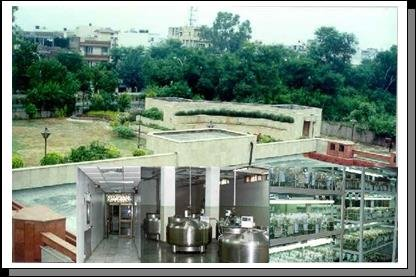
வெப்பம் தாளமுடியாமலாகி பொள்ளாச்சியில் பல நூறு வீடுகளில் குளிர்சாதன வசதி செய்யப்பட்டிருக்கிறது, ஏராளமான தென்னைகளும் பனைகளும் உச்சி கருகிச் சாய்ந்தன, வானம்பார்த்த பல வெள்ளாமைகள் வீணாகின.  

பொள்ளாச்சியின் காலநிலை மெல்ல மெல்ல சீர்கெட்டதற்கு பல காரணங்களை சொல்லலாம்.  கோவை  பொள்ளாச்சி நெடுஞ்சாலை விரிவாக்கம் மற்றும் மேம்பாலப்பணிகளுக்காக தொடர்ந்து நூற்றுக்கணக்கில்  முதிர்ந்த பெருமரங்கள் வெட்டப்பட்டதும், ஏராளமான நிலப்பரப்பில் உண்டாக்கிய தென்னை ஒருமரப்பயிரிடுதலும் (Monoculture) முக்கிய காரணங்கள்.  

ஒரு பிரதேசத்தின் பலவகைப்பட்ட தாவரங்களை அழித்துவிட்டு பொருளாதார காரணங்களுக்காக ஒரு பயிரை மட்டும் தொடர்ந்து  பயிராக்குகையில் அந்த நிலப்பரப்பின் நீர்ச்சுழற்சி (Water cycle) வெகுவாக மாற்றமடைந்து அச்சூழல் சமநிலையை இழந்து விடுகிறது.

ஒரு நிலப்பரப்பில் பல வகையான தாவரங்கள் வளர்கையில் அவற்றின் வேர்கள் ஒவ்வொன்றும் நிலத்தடியில் வேறு வேறு ஆழங்களில் இருப்பதால் நிலத்தடி நீரின் பல அடுக்குகளிலிருந்து அவை நீரை எடுத்து சேமித்து வைத்துக்கொள்ளும். சேமித்து வைத்த நீர் வறண்ட காலங்களில் உபயோகப்படும். 

தனிமரப்பயிரிடல் இந்த சாத்தியங்களை முற்றாக இல்லாமல் செய்துவிடுகின்றது. ஏனெனில் ஒரே மாதிரியான வேர் ஆழம் கொண்டிருக்கும் ஏராளமான மரங்கள் நிலத்தின் குறிப்பிட்ட அடுக்கில் இருக்கும் நீரை மட்டுமே நம்பி இருக்கின்றன.  

கடல், நிலம், வளிமண்டலம் என  தொடர்ந்து சுழன்று கொண்டிருக்கும் நீர் சுழற்சியில் தனிமரப்பயிரிடுதல் உண்டாக்கும் விளைவுள் மிக முக்கியமானவை. 

ஒரே மாதிரியான மரங்கள் விரிந்த நிலப்பரப்புகளில் பயிராகும்போது அந்த பிரதேசத்தின்  இயற்கை பேரிடர்களையும்,  பயிர்களில் உண்டாகும் நோய் தாக்குதல்களையும்   எதிர்த்து நிற்கும் ஆற்றலை அச்சூழல் இழந்துவிடுகின்றது.  காடுகளை அழித்து தனிமரங்களை பயிரிடுகையில் அந்த நிலப்பரப்பின் நீர் சேமிக்கும் திறனும் வெகுவாக குறைந்து விடுகிறது
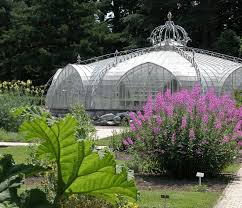
எனவேதான் வறட்சியான காலங்களில் நிலத்தடி நீர் பற்றாக்குறை உண்டாகின்றது. சில வருடங்களாக தனி மரப்பயிரிடல் நடக்கும் பகுதிகளில்  மழைக்காலங்களில் கூடுதல் வெள்ளமும், பருவமழை பொய்த்து  கடும் வறட்சியும் உண்டானது இதனால்தான்.
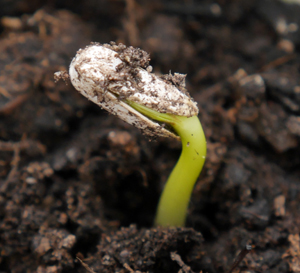
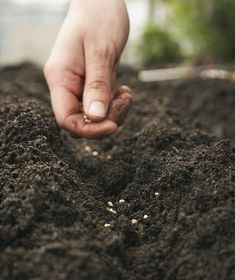
இந்த குறிப்பிட நிலப்பரப்புக்கள் இந்த சூழல் மாறுபாட்டால் பேரிடர்களை அடிக்கடி சந்திக்கும் பிரதேசங்களாகி விட்டிருக்கின்றன.

கோவை பொள்ளாச்சி  நெடுஞ்சாலையில் மேம்பாலப் பணிகளின் போது நூறும், ஐம்பதும் வயதான நூற்றுக்கணக்கான பெருமரங்கள்  எளிதாக வெட்டிச்சாய்க்கப்பட்டன.  பலவீனமான எதிர்ப்பு கூட எந்த துறையிலிருந்தும் இதற்கு எழவில்லை

ஒரு சில பெருநிறுவனங்கள்  வேருடன் பெயர்த்தெடுத்த சில  மரங்களை எடுத்துச்சென்று அவர்களின் வளாகத்தில் நட்டன எனினும் அவை எதுவும்  பிழைக்கவில்லை. மாதக்கணக்கில் வான் பார்த்தபடி சாலையோரம்  கிடந்தன பெருமரங்களின்  பிரம்மாண்ட வேர்ப்பகுதிகள்

6 மாதங்களுக்கு முன்னர் பொள்ளாச்சி முத்தூர் சாலையில்  50 க்கும் மேற்பட்ட பெருமரங்கள்,  (ஒவ்வொன்றும் நான் சிறுமியாக இருக்கையிலேயே பெருமரங்களாக இருந்தவை, அனேகமாக அனைத்துமே 100 ஆண்டுகளை கடந்தவை) அனைத்தும் சாலை விரிவாக்கம் என்னும் பெயரில் முழுக்க வெட்டி அகற்றப்பட்டன. இன்று வரை அச்சாலையில் எந்த விரிவாக்கமும் செய்யப்படவில்லை இருகிராமங்களை இணைக்கும் அச்சாலை விரிவாக்கம் செய்யவேண்டிய அத்தனை முக்கிய வழிச்சாலையும் அல்ல. 

தற்காலிக லாபத்தின் பொருட்டு வெட்டப்பட்டிருக்கும் அப்பெருமரங்கள் எல்லாம் சில லட்சங்களாகியிருக்கக்கூடும். அச்சாலையெங்கும் இன்றும் வீழ்ந்து கிடக்கின்றன   காரணமின்றி வெட்டப்பட்ட மரங்களின் ஒரு உணவு மேஜையின் அகலம் கொண்ட அடிவேர்க்கட்டைகள்.

மார்ச்சின் காற்றும், ஏப்ரலின் மழைச்சாரலும் மே மாதத்தின் மலர்களை திறக்கும் என்னும் பிரபல சொற்றொடர்  சென்ற பல வருடங்களாக பொய்த்து விட்டது. ஆடிப்பட்டம் தேடி எதுவும் விதைக்கப் படவில்லை, தை தான் பிறந்தது வழியொன்றும் பிறக்கவில்லை. 

தீவிரமடைந்துவரும் காலநிலை மாற்றத்தினால் சென்னையை மூழ்கடித்த மாமழையை, கூட்டம் கூட்டமாக ஒட்டகங்களை அடித்துச்சென்ற பாலையின் பெருவெள்ளத்தை, பருவத்தே பயிர்செய்யமுடியாத கடும் வறட்சியை  நாம் சமீப காலங்களில் தொடர்ந்து பார்த்துக் கொண்டிருக்கிறோம்.

மழை இல்லாமல் போவதற்கும் மரங்கள் வெட்டப்படுவதற்கும் இருக்கும் மிகநேரடியான தொடர்பை ஒருவரும் அறிந்திருப்பதில்லை  இப்படி மரத்தை  வெட்டியவர்களும், மரங்கள் வெட்டப்படுகையில்  வேடிக்கை பார்த்தவர்களும், ஆட்சேபிக்காதவர்களும், மரங்களை வெட்டி கிடைத்த பணத்தை அனுபவித்தவர்களுமாகத்தான் குடிநீர் பற்றாக்குறைக்காக குடங்களுடன் சாலை மறியலும், மழை வேண்டி வருண ஜெபமும் செய்கிறார்கள்

பொள்ளாச்சியின் அணைகளும் வாய்க்கால்களும் முற்றிலும் வறண்டு  காய்ந்து போனபின்னர் கோவில்களில் கூழ் ஊற்றி  மழையை வேண்டிக்கொண்டார்கள் . பொள்ளாச்சி அருகே இருக்கும்தெய்வகுளம் காளியம்மன் கோவிலில் ஒரு சிறுமி அருள் வந்து மூன்று நாட்களில் மழை வருமென்றாள் ஆனால் வரவில்லை. தெய்வத்தின் வாக்கும் பொய்த்துப் போனது.

பல்வேறு பொருளாதார காரணங்களுக்காக மரங்களை வெட்டி அகற்றுதலும், காடழித்தலும் உலகெங்கிலும் தொடர்ந்து நடக்கிறது.

உலகெங்கிலும் தீவிரமாகி வரும் பருவ நிலை மாற்றங்களின் வேகத்தை குறைக்கவேண்டும் வாழிடப்பற்றாக்குறையால் அழியவிருக்கும் காட்டுயிர்களை பாதுகாக்க வேண்டும், எட்டு பில்லியன் மக்களின் வாழ்வாதாரத்தை பாதுகாக்க வேண்டும் என்னும் தற்போது உலகு எதிர்கொண்டிருக்கும் மிக முக்கியமான பெரிய சிக்கல்களுக்கான தீர்வில் நிச்சயம் மரங்களின் பங்களிப்பு இருக்கிறது

 எனினும் பெருமளவில் மரங்கள் அழிக்கப்படுவது தொடர்ந்து நடந்து கொண்டுதான் இருக்கிறது.

காடழித்தல் என்பது  இயற்கையாகவே உருவாகும் காட்டுத்தீயினால் மரங்கள் அழிவதல்ல. தேயிலை காபி போன்ற மலைப்பயிர் தோட்டங்களையும் வணிகக்காடுகளையும் அழிப்பதையும் இது  குறிப்பிடுவதில்லை. மனிதர்களின் பல பொருளாதார காரணங்களுக்காக இயற்கையான பல்லுயிர்ப்பெருக்கம் நிறைந்திருக்கும் காடுகள் அழிக்கப்படுவதைத்தான்  காடழித்தல் என்று குறிப்பிடுகிறது.

 கடந்த 8000 வருடங்களில் மனிதர்களால்  விவசாயநிலங்களை உருவாக்கும் பொருட்டு பூமியின் பாதியளவு காடு அழிக்கப்பட்டிருக்கிறது. கடந்த சில நூற்றாண்டுகளில் காடழித்தலின் வேகம் மிக மிக கூடியிருகிறது என்பது மிகவும் கவலையளிக்கும் ஒன்று

பூமியின்  31% நிலப்பரப்பை ஆக்ரமித்துக்கொண்டிருக்கும் காடுகளே உலகின் நீர்த்தேவைக்கு பிரதான காரணிகளாக இருக்கின்றன.

 உலகளவில் 300-லிருந்து 350 மில்லியன் மக்கள் காடுகளுக்கருகிலும் காடுகளை சார்ந்தும் வாழ்கிறார்கள். ஒரு பில்லியன் மக்கள் காடுகளின் விளைபொருட்களைக் கொண்டே வாழ்வை அமைத்துக்கொண்டிருக்கிறார்கள். வறுமைக்கோட்டிற்கு கீழ் வசிக்கும் பல லட்சம் பேருக்கும் காடுதான் வாழ்வாதாரமாக இருக்கிறது. லட்சக்கணக்கான பழங்குடி மக்கள் நேரடியாக காடுகளில் அச்சூழலைசார்ந்தே வாழ்கிறார்கள்.

மழைப்பொழிவில், மண் பாதுகாப்பில், வெள்ளத்தடுப்பில் புவி வெப்பமாவதை தடுப்பதில்  காடுகளின் பங்கு இன்றியமையாதது.

 உலகின் மொத்தப்பரப்பளவில் சுமார் 30 % காடுகளால் ஆனது ஆனால் அவை மிக அபாயகரமான வேகத்தில் அழிந்துகொண்டே இருக்கின்றன. 1990 களிலிருந்து நாம் சுமார் 420 மில்லியன்  ஹெக்டேர் காடுகளை(100 கோடி ஏக்கர்) முற்றிலுமாக இழந்திருக்கிறோம்.

ஒவ்வொரு வருடமும் காடுகள் சூழ்வெளியிலிருந்து சுமார் 2 பில்லியன் மெட்ரிக் டன் கார்பனை தேக்கி வைத்துக் கொண்டிருக்கிறது. காடுகளின் மரங்கள் சூழலில் இருக்கும் கரியமில வாயுவை உறிஞ்சி அதை  கார்பனாக  மாற்றி கிளைகள், இலைகள், மரத்தண்டு, வேர்கள் மற்றும் நிலத்தில் சேமிக்கிறது. இந்த கார்பனை தேக்கி வைக்கும் காடுகளின் பணி காலநிலை மாற்றத்தை வெகுவாக மட்டுப்படுத்துகிறது. மிதவெப்ப காடுகளை காட்டிலும் வெப்பமண்டலக்காடுகளே அதிக கார்பனை தேக்கி வைக்கின்றன

கடந்த 50 வருடங்களில் அமேஸான் மழைக்காடுகளில் 17% த்தை இழந்து விட்டிருக்கிறோம். கடந்த பத்தாண்டுகளில் ஆப்பிரிக்கா மற்றும் தென்னமெரிக்காவில்  பெருமளவிலான காடுகள் அழிக்கப்பட்டன. வருடத்திற்கு 10 மில்லியன் ஹெக்டேர் காடழிப்பு 2015-லிருந்து 2020-ற்கு இடையில் மட்டும் நடந்தது. இதில் பெரும்பங்கு சோயா மற்றும் எண்ணெய்ப் பனைக்காக அழிக்கப்பட்டதுதான்.  இறைச்சிக்கான பன்றிகள் மற்றும் கோழிகளுக்கு தீவனமாக அளிக்கத்தான் சோயாப்பயிர்  அழிக்கப்பட்ட காடுகளில் பயிரிடப்படுகிறது  

மிகச்சிறிய பொருளாதார லாபத்தின் பொருட்டு செல்வாக்குள்ளவர்களால் உலகநாடுகளெங்கும் மரங்கள் வெட்டப்படுவது தொடர்ந்து நடக்கிறது. வெட்டப்படும் மரங்களின் எண்ணிக்கை குறைவானதாக இருந்தாலும்  சிறுகச்சிறுக பலநாடுகளில் தொடர்ந்து மரம்வெட்டுதல் நடக்கையில் அதன் விளைவு காடழிதலின் விளைவுகளுக்கு இணையானதாகிவிடுகிறது

இப்போது புழக்கத்தில் இருக்கும் விவசாய முறைகளும் தொழிற்சாலைகளுக்கு  அடுத்தபடியாக பசுங்குடில் வாயுமிழ்தலை செய்கின்றன. இரசாயன உரங்களை அதிகம் உபயோகிக்கும் பயிர்ச்சாகுபடி முறைகளினால் மீத்தேன் நைட்ரஸ் ஆக்ஸடு ஆகியவை சூழலில் வெளியேறுகின்றன.

பசுங்குடில் வாயு உமிழ்வு என்னும்  பேராபத்துடன் பல உயிரினங்களின் வாழ்விட அழிப்பு, பழங்குடியினரின் வாழ்வாதார அழிப்பு, சூழல் சமநிலை குலைப்பு போன்ற பலவற்றிற்கும்   காடழித்தல், காரணமாகி விடுகின்றது. கொசுக்களால் மனிதர்களுக்கு பரவும் நோய்களும், காபி இலைத்துருநோயான ரோயா போன்ற பெருங்கொள்ளை நோய்களும் காடழித்தலினாலும் புவி வெப்பமடைந்ததினாலும் உண்டான  மறைமுகமான பாதிப்புக்கள் தான்

காகிதத்திற்கும், மரக்கட்டைத்தேவைகளுக்குமாக உலகின் எல்லா காடுகளிலும் கணக்கற்ற மரங்கள் வருடா வருடம் வெட்டப்படுகின்றன. மரம் வெட்டுபவர்களில் சிலர் கள்ளத்தனமாக அடர் காடுகளுக்குள்ளும் பாதையமைத்து காடழித்தலை மேலும் விரைவாக்கிக் கொண்டிருக்கிறார்கள். காடுகள் நகர விரிவாக்கதின் பொருட்டும் வேகமாக அழிந்து கொண்டு வருகின்றன.

உலகநாடுகள் அனைத்திலும் தொழிற்சாலைகள் ஏராளமான பசுங்குடில் வாயுக்களை சூழலில் வெளியேற்றுகின்றன. குறிப்பாக  நிலக்கரித் தொழிற்சாலைகள்  ஒவ்வொருநாளும் ஏராளமான கரியமில வாயுவை வெளிவிடுகின்றன. உதாரணமாக நாளொன்றுக்கு 34,000 டன் நிலக்கரியை எரிக்கும் அமெரிக்காவின் ஜார்ஜியாவில் அமைந்திருக்கும் உலகின் மிகப்பெரிய நிலக்கரி மின் உற்பத்தி நிலையம் ஷீரர் (Scherer)  ஒவ்வொரு வருடமும்  25 மில்லியன் டன் கரியமில வாயுவை   சூழ்வெளியில் கலக்கிறது.

காடழித்தலால் மற்றுமோர் ஆபத்தும் இருக்கிறது.  வாழிடங்களை இழந்த காட்டு விலங்குகளால் மனிதர்களுக்கு  60 % வைரஸ் உள்ளிட்ட தொற்று வியாதிகள் உருவாகின்றன. இயற்கையான வனச்சூழல் அழிந்து மனிதர்களுக்கான வாழிடங்கள் காடுகளின் எல்லையை தாண்டுகையில் விலங்குகளால் மனிதனுக்கு உண்டாகும் நோய்களும் பெருகுகின்றன.

2014-ல் வடக்கு ஆப்பிரிக்காவில் காடழிந்ததால் வாழிடம் இழந்த பழந்தின்னி  வவ்வால்கள் ஊருக்குள் நுழைந்து மரத்தடியில் விளையாடிக்கொண்டிருந்த ஒரு குழந்தையை கடித்ததால், பரவிய எபோலா வைரஸ் சுமார் 11,000 மக்களை காவு வாங்கியது

1997-ல் இப்படி இந்தோனேசியாவின் காடுகள் விவசாயப் பயிர் சாகுபடிக்காக பெருமளவில் நெருப்பிட்டு எரிக்கப்பட்டபோது அங்கிருந்த மரங்கள் வெப்பத்தினால் கனியளிக்க முடியாமல் ஆனது. 

அப்போது உடலில் இருந்த கொடிய நுண்ணுயிர்களுடன் பழந்தின்னி வவ்வால்கள் உணவுக்காக வேறு வழியின்றி ஊருக்குள் நுழைந்தன இந்த வவ்வால்கள் மலேசிய பழப்பண்ணைகளுக்குள் வாழத்தொடங்கிய சிறு காலத்திலேயே அவை கடித்துத் துப்பிய பழங்களை உண்ட  இறைச்சிக்கென வளர்க்கப்பட்ட பன்றிகள் நோயுற்றன. 

பன்றிகளிடமிருந்து மனிதர்களுக்கும் நோய் பரவி 1999ல்- 265 பேருக்கு தீவிரமான மூளைவீக்கம் உண்டாகி அவர்களில் 105 பேர் மரணமடைந்தனர்.  நிபா வைரஸால் உண்டாகிய  இந்த முதல் சுற்று மரணங்களுக்குப் பிறகு தென்கிழக்காசியாவில் அதன் பாதிப்புகள் தொடர்ந்தன.

வெப்பமண்டலங்களை சுற்றி இருக்கும் பழமையான காடுகள் பயிர்ச் சாகுபடிக்கென ஏராளமாக அழிக்கப்படுகையில் காடுகளில்  சேகரிக்கப்பட்ட கார்பன் மீண்டும் கரியமில வாயுவாக  சூழலில் வெளியிடப்படுகிறது.  

 காடழித்தல் போன்ற   பூமியின் நிலப்பரப்பில் உண்டாகும் பெருமளவிலான மாற்றங்கள் 12-20% பசுங்குடில் வாயுக்களின் உமிழ்வை அதிகரிக்கின்றன. பசுங்குடில் வாயுக்கள் அகஊதா கதிர்களைத் தடுத்து நிறுத்திவிடுவதால் புவி மேலும் வெப்பமாகிறது. 

1850-லிருந்து 30% கரியமில வாயுமிழ்வு காடழித்தலினால் மட்டுமே உண்டாயிருக்கிறது. பெருமளவிலான காடலித்தலினால்தான் வடஅமெரிக்காவிலும் யுரேஷியாவிலும் வெப்ப அலைகள் உண்டானதை அறிவியலாளர்கள்  உறுதி செய்திருக்கிறார்கள்.  காடழித்தல்தான் தென்கிழக்காசியாவின் கரியமில வாயு உமிழ்வுக்கான முக்கிய காரணமாக இருக்கிறது.

2020-ல் உலகக்காடுகள் அழியும் வேகம் 21 % அதிகமாகிவிட்டிருக்கிறது என்கிறது அமேஸான் மழைக்காடுகள் பாதுகாப்பில் ஈடுபட்டிருக்கும் ஒரு நிறுவனம்

மலேசியா, இந்தோனேஷியாவின் காடுகள் எண்ணெய்ப்பனை சாகுபடியின் பொருட்டு வேகமாக அழிக்கப்படுகின்றன. மலேசியாவிலும் இந்தோனேஷியாவிலும்    பெரும்பாலும் அனைத்து உபயோகப்பொருட்களிலும் பனை எண்ணெய் கலந்திருக்கும்

காட்டு மரங்களின் இலைப்பரப்பினால் மட்டும் சுமார் 23 சதவீத காலநிலை மாற்றத்தைத் தணிக்க முடியும். ஆனால்  காட்டின் தரைப்பகுதிக்கு சூரியனின் வெப்பம் வராமல் பாதுகாத்துக் கொண்டிருக்கும் மரங்களின் இலைப்பரப்புக்கள் மரங்களை வெட்டும்போது இல்லாமல் போவதால் அந்த இடைவெளியில் காட்டின் உள்ளே நுழையும் சூரியனின் வெப்பம் அங்கே வாழும் பல தாவர விலங்கு உயிரினங்களுக்கும்,  மகரந்தச் சேர்க்கை செய்துகொண்டிருக்கும் சிறு பூச்சிகளுக்கும் பெரும் அச்சுறுத்தலை உண்டாக்குகிறது.

காடழித்தலால் காடுகள்  எடுத்துக்கொண்ட கார்பனின் அளவைவிட சூழலில் வெளியேற்றும் கார்பனின் அளவு அதிகரிக்கிறது. அதாவது  கார்பன் தேக்கிடங்களாக (Carbon sink) இருக்க வேண்டிய காடுகள் கார்பனை வெளியிடும் முக்கிய காரணிகளாகி (Carbon source) விடுகின்றன.

புதைப்படிவ எரிபொருள்கள் எரிக்கப்படுவது, காடழிவதால் கார்பன் தேங்கிடங்கள் சிதைவது  போன்ற செயல்பாடுகளால் இப்போது மீதமிருக்கும் காடுகளால் எடுத்துக் கொள்ளப்படுவதை காட்டிலும் அதிக அளவு கரியமில வாயு சூழலில் சேர்கிறது.

அமேஸான் மழைக்காடுகளின் தென்கிழக்கு பகுதிகளில் எவ்வளவு கார்பன் சேகரமாகிறதோ அதற்கு இணையாகவே கார்பன் அங்கிருந்து சூழலில் வெளியேறுகிறது.

  2015—2017 க்கு இடைப்பட்ட காலத்தின் வெப்ப மண்டல காடழித்தல் மட்டும் வருடத்திற்கு  4.8 பில்லியன் டன் கரியமில வாயுவை சூழலில் வெளியேற்றி இருக்கிறது.   இப்போது சூழலில் இருக்கும் கரியமில வாயுவின் அளவு வரலாற்றில் இதுவரை இல்லாத அளவில் அதிகரித்திருக்கிறது.

வறட்சி, வெப்பமண்டல புயல், பாலையாகுதல் மற்றும் கடுங்கோடைக்காலம் ஆகியவை உலகெங்கிலுமே அதிகரித்துக் கொண்டு வருவதன் நேரடிக்காரணமும் இதுதான். மேலும் மேலும் காடுகள் அழிக்கப்படுவது மேலும் மேலும் காலநிலை மாற்றத்தை தீவிரப்படுத்துகிறது.

 உலகின் 80 சதவீத தாவரங்களும் விலங்கினங்களும் காடுகளில்தான் வாழ்கின்றன. காடழிதலால் இவற்றில்   பல உயிரினங்கள் அழிவின் விளிம்பிற்கு தள்ளப்பட்டிருக்கின்றன.

 .

நாம் சுவாசிக்கையில் வெளியேற்றும் கரியமில வாயுவையும், மனிதர்களின் பல்வேறு செயல்களால் வெளியேற்றப்படும் பசுங்குடில் வாயுக்களையும் எடுத்துக்கொள்ளுவது உள்ளிட்ட பல பயன்கள் நமக்கு மரங்களால் கிடைக்கின்றன. மிகச்சிறிய பொருளாதாரப் பலன்களுக்காக,காடுகளும் மரங்களும்  அழிக்கப் படுகையில் அவை அளிக்கவிருக்கும்  நெடுங்காலத்திற்கான  முக்கியமான சூழல் பங்களிப்புக்களும் அவற்றுடன்  சேர்ந்தே அழிகின்றன

மேய்ச்சல், விவசாயம், சுரங்கம் தோண்டுதல் ஆகியவற்றிற்காக மட்டுமே இதில் பாதியளவு காடுகள் அழிக்கப்படுகின்றன. பிரத்யேகமான காட்டு நடவடிக்கைகள், காட்டுத்தீ, நகரமயமாக்கல் ஆகியவை மீதமிருக்கும் காடுகளை அழிக்கின்றன

தென்னமரிக்காவின் அமேஸான் பகுதி  மத்திய ஆப்பிரிக்காவின் காங்கோ பகுதி மற்றும் தென்கிழக்காசியாவில் தான் உலகின் மாபெரும் மழைக்காடுகள் இருக்கின்றன. இந்த பிரதேசங்களில் நடைபெறும் காடழித்தலின் விளைவுகள் புவிவெப்பமடைதலில் குறிப்பிட்ட பங்காற்றுகின்றன

பிரேசிலின் காடழித்தல் உருவாக்கும் பசுங்குடில் வாயுமிழ்வு 2020-ல் மிகவும் உயர்ந்திருந்தது.   நாடோடி வேளாண்மை முறை எனப்படும் மரபான (traditional shifting cultivation) விவசாய முறை நடைமுறையில் இருப்பதால் காங்கோ பள்ளத்தாக்கில் காடழித்தல் மற்ற இரு பிரதேசங்களைக் காட்டிலும்  சற்றுக்குறைவு.

 தொழில்துறை வளர்ச்சி மிகஅதிகமாக இருக்கும் சீனா மற்றும் ஐக்கிய அமெரிக்காதான் உலகின் மிக அதிக பசுங்குடில் வாயு வெளியேற்றுகின்ற  ( 80 % மற்றும் 70% ) முதலிரண்டு நாடுகளாக இருக்கின்றன.  இந்தோனேசியா மற்றும் பிரேசில், மூன்று மற்றும் நான்காவது இடங்களில் இருக்கின்றன.

காலநிலை மாற்றத்தின் வேகத்தை மட்டுப்படுத்த நமக்கிருக்கும் ஒரே வழி மீதமிருக்கும் காடுகளை பாதுகாப்பதும் மேலும் மரங்களை நட்டு வளர்ப்பதும்தான். இப்போது நட்டுவைக்கும் மரங்களாலான காடுகள் குறைந்தது 19-20 வருடங்கள் ஆனபிறகுதான் 5%  கரியமில வாயுவை தேக்கிக்கொள்ளத் துவங்கும் என்பதிலிருந்து வளர்ந்த மரங்களை வெட்டிச்சாய்ப்பதின் ஆபத்துகளை உணரலாம்.

ஏற்கனவே சுற்றுலா என்னும் பெயரில் மலைவாசஸ்தலங்கள், பல்லுயிர்ப்பெருக்கு நிறைந்த பகுதிகளை குப்பை மேடாக்கி இருக்கிறோம். காடுகளையும் முழுக்க அழித்துவிட்டால் எதிர்கால சந்ததியினருக்கு நாம் விட்டுச்செல்ல மாசும், நோயும், கிருமிகளும் நிறைந்த உலகு மட்டும்தான் இருக்கும்.

  இறைச்சி உணவுகளுக்காக சோயா பயிரிடுதலும், சாக்லேட்டுகள், பிஸ்கட்டுகள் போன்ற திண்பண்டங்களுக்காகவும் ஷாம்பு போன்ற  செயற்கை அழகுப்பொருட்களுக்கான தயாரிப்புக்கான எண்ணெய்ப் பனை வளர்ப்பும் காடழிதலில் பெரும் பங்காற்றுவதால் நம் உணவு மற்றும் வாழ்க்கை முறையும் புவிவெப்பமாதலில் ஒரு காரணம்தான்

2021-ல் நடந்த  COP26 மாநாட்டில் (UN Conference of Parties) உலகின் 85% காடுகளை கொண்டிருக்கும் 100 நாடுகள் 2030-க்குள் காடழித்தலை முழுக்க நிறுத்திவிடுவதாக உறுதிபூண்டிருப்பது ஒரு நல்ல செய்தி

 உலகமே முடங்கிக்கிடந்த இரண்டு வருடங்ளுக்கும் அக்காலத்தில் நாம் பறிகொடுத்த லட்சக்கணக்கான உயிர்களுக்கும் காரணமாயிருந்த கோவிட் வைரஸ் பெருந்தொற்று இயற்கையுடனான நமது உறவில் உண்டாகி இருக்கும் மாற்றங்களால்தான் உருவானது. இனிமேலும் விழித்துக்கொள்ளாமல் இருக்கமுடியாது இது நமக்கான கடைசி வாய்ப்பு.

இயற்கையை மட்டுமல்ல நமது எதிர்காலத்தையும் பாதுகாக்கவே காடழித்தலை உடனே நிறுத்த வேண்டி இருக்கிறது ஆரோக்கியமான காடுகளே ஆரோக்கியமான சுற்றுச்சூழலை உறுதிசெய்கின்றன.

2011 -ம் ஆண்டு சர்வதேச வன ஆண்டாக அறிவிக்கப்பட்டதும் காடழிப்பின் விளைவுகளை உலகநாடுகள் கவனத்துக்குக் கொண்டு வரும் பொருட்டுத்தான். 

தீர்வுகள்:

காடு உருவாக்கம், மீள் காடாக்குதல் இயற்கை மீளுருவாக்கம் இவற்றின் மூலமாக மட்டுமே காடழித்தலால் உருவாகி இருக்கும் காலநிலை மாற்றங்களை படிப்படியாக குறைக்கமுடியும்

  1.  காடு உருவாக்கம் என்னும் Afforestation  குறைந்தது 50 வருடங்களுக்காவது  காடுகள் இருந்திராத இடங்களில் காடுகளை  உருவாக்குவதைக் குறிக்கிறது.  
  2. மீள் காடாக்குதல், என்னும். Reforestation   காடுகள் அழிக்கப்பட்ட இடங்களில் மரங்களை நட்டுவைத்து மீண்டும் காட்டை உருவாக்குவது
  3.  இயற்கை மீளுருவாக்கம் என்னும் Natural regeneration, மரங்களை நட்டுவைப்பதில்லை, மாறாக சேதமுற்ற காடுகளின் மரங்களின் வெட்டப்பட்ட அடிப்பகுதிகளில் coppicing எனப்படும் மறுதாம்பு துளிர்த்தலுக்கு உதவுவது, மலர்ந்து கனி அளிக்காமல் இருக்கும் மரங்களை மீண்டும் இனப்பெருக்கதுக்கு தயாராக்குவது போன்ற  செயல்பாடுகளின் மூலம் காடுகளை   இயற்கையாக மீட்டெடுப்பது

இம்மூன்று செயல்பாடுகளையும் மிகக்கவனமாக செயல்படுத்தினால் மட்டுமே காடழித்தலின் ஆபத்துக்களை சற்றேனும் ஈடுசெய்யமுடியும். ஏனெனில் காலநிலை மாற்றதுக்கெதிரான போரில் நம்மை முற்றாக தோற்கவைப்பது காடழித்தலாகத்தான் இருக்கும் 

இயற்கைச் சூழல்களை பேணிப்பாதுகாப்பது,காடுகளை பொறுப்பான முறையில் மேலாண்மை செய்வது, அழிக்கபட்டக் காடுகளை மீண்டும் உருவாக்குவது ஆகியவற்றால் பசுங்குடில் வாயு உமிழ்வுகளை குறைக்கமுடியும். காடுகள் மீளுருவாகப்படுகையில் சூழல்வெளியிலிருக்கும் கரியமிலவாயுவின் அடர்த்தியை வெகுவாகக் குறைக்கமுடியும், இதனால்  புவிவெப்பம் அடைவதையும் தவிர்க்கலாம்.

நிலக்கரி பெட்ரோல் மற்றும் எரிவாயு போன்ற புதைப்படிவ எரிபொருள் உபயோகத்தையும் நாம் வெகுவாக குறைத்துக் கொள்ள வேண்டி இருக்கிறது. இவையனைத்தையும் செய்யும் போதுதான் காலநிலைமாற்றத்தின் தீவிரத்தைக் கொஞ்சமாவது குறைக்க முடியும்.

2050ல் உலகமக்கள் தொகை 9 பில்லியனை எட்டிவிடும் என்று கணிக்கப்பட்டிருக்கையில் மீதமிருக்கும் காடுகளை அழிப்பதை நிறுத்துவதற்கு இணையாக காடுகளை உருவாக்குவதும் நடக்கவேண்டும்.

குறைந்த நிலப்பரப்பில் அதிக விளைச்சல், காடுகளைப் பாதிக்காத வகையிலான வாழ்வுமுறை போன்ற காலநிலை மாற்றத்துக்கான பிற தீர்வுகளையும் முயற்சிக்கலாம்.

ஐந்தாவது மாதமாக மழைபொய்த்துப்போன பொள்ளாச்சியில் கோடை மழையாவது வரவேண்டி வீடுகளில்  விநாயகர் சிலைகளை   நீரில் அமிழ்த்தி வைத்திருக்கிறார்கள்.  

யானை முகமும் தும்பிக்கையும் தொப்பை வயிறுமாக நாம் ஒருபோதும் பார்த்தே இராத  ஒரு தெய்வவடிவம் குளிர்ந்தால் மழைவரும் என்று நம்பிக்கை கொள்பவர்களால்,   இருந்த இடத்திலிருந்தபடியே மக்களின் உணவு, உடை,மருந்து, காற்று,மழைநீர், புவிவெப்பத்தை தடுப்பது   என  உயிரினங்களின் சகலதேவைகளையும் பூர்த்திசெய்யும் மரங்களை ஏனோ இறைவடிவமாக காணமுடிவதில்லை.

நினைவில் கொள்ளுங்கள் இந்த கட்டுரை  வாசிக்கப்பட்டுக் கொண்டிருக்கையிலேயே எங்கேனும் கால்பந்து மைதானத்தின் அளவிலிருக்கும் ஒரு  பெருங்காட்டின்பகுதி அழிக்கப்பட்டுக்கொண்டிருக்கலாம்.  நாம்  அழிக்க அனுமதித்துக்கொண்டு இருப்பது காடுகளை மட்டுமல்ல நாளைய சந்ததியினரின் வாழ்வையும்தான்.

உலகின் மிகச்சிறிய பூக்கும் தாவரம் வுல்ஃபியா!

 சில இன்ச் உயரம் மட்டுமே வளரும் அழகிய  ஊதா டெய்ஸி செடிகளிலிருந்து  300 அடி உயரம் வரை வளரும் பிரம்மாண்டமான யூகலிப்டஸ் மரங்கள் வரை  உலகில் சுமார் 250,000  பூக்கும் தாவர வகைகள் உள்ளன.

  லெம்னேசி (Lemnaceae) குடும்பம்  குளம்  குட்டை மற்றும் ஓடைகளில் மிதக்கும்  ஐந்து பேரினங்களை சேர்ந்த  நுண்ணிய  38  வகையான பூக்கும்  நீர்த்தாவரங்களை கொண்டிருக்கிறது  அவற்றில் ஒன்றான வுல்ஃபியா (Wolffia)  உலகின் மிக மிகச் சிறிய தாவரம். உலகெங்கும் வுல்ஃபியாவின்  11 சிற்றினங்கள்  நீர்நிலைகளின் மேற்பரப்பில் மாவுத்துகள்கள் போல படிந்திருப்பதால் நீர் மாவு என்னும் வழங்கு பெயரும்  இவற்றிற்கு உண்டு

பல்லாயிரக்கணக்கான் நீர்வாழ் உயிரினங்களுக்கு வுல்ஃபியா உணவாகிறது.

வுல்ஃபியா 1 மிமீ அளவிலிருக்கும்  மிகச்சிறிய மிதவைத்தாவரம். வேரோ, இலையோ, தண்டுகளோ இல்லாமல் முட்டை அல்லது உருண்டை வடிவ உடலால் ஆனது வுல்ஃபியா.

வுல்ஃபியா சிற்றினங்களில் மிக சிறியவை இரண்டு :உலகெங்கும் சாதாரணமாக காணமுடியும் சிற்றினம் W. globosa  மற்றும் 1980ல் கண்டறியப்பட்ட ஆஸ்திரேலிய சிற்றினமான W. angusta, இவற்றின் மொத்த எடை 150 மைக்ரோ கிராம்கள் மட்டுமே அதாவது இரண்டு உப்புக்கற்களின் எடைகொண்ட இவை பூக்களை உருவாக்கி பால் இனப்பெருக்கம் செய்யும் தாவரங்கள் என்பது ஆச்சரியமான உண்மை.வுல்ஃபியாவின் சின்னஞ்சிறிய மலர்களில் ஒரே ஒரு சூலக முடியும் ஒற்றை மகரந்த தாளும் உள்ளது.

ஆஸ்திரேலிய யூகலிப்டஸின் அளவை விட வுல்ஃபியா 165,000  மடங்கு சிறியது. வுல்ஃபியாவில் இருக்கும் சிறு குழிவில் இதன் நுண்மையான மலர்கள் உருவாகின்றன. இதன் மலர்களில் அயல் மகரந்த சேர்க்கை நடைபெறுகிறது என்பது கூடுதல் ஆச்சர்யம்.. வுல்ஃபியாவின்  ஒரு விதை கொண்ட கனியே உலகின் மிகச் சிறிய கனி.

1999ல்  நமீபிய கடற்கரையில் கண்டறியப்பட்ட நுண்னோக்கி உதவியின்றி கண்களால் காண அமுடியும் அளவில் இருக்கும்  Thiomargarita namibiensis என்னும் பெரிய பாக்டீரியம் வுல்ஃபியாவின் அளவில் இருக்கினது.

நீர்ப்பறவைகளின் கால்களில் ஒட்டிக் கொள்ளும் இவை பல்வேறு நீர்நிலைகளுக்கு பரவுகின்றன. நுண்ணிய விதைகள் மூலமும் உடல் இனப்பெருக்கம் மூலமும் இவை பல்கிப் பெருகுகின்றன.

இவை மிக வேகமாக இனபெருக்கம் செய்யக்கூடியவை. இந்திய வுல்ஃபியா சிற்றினமான Wolffia microscopica ஒவ்வொரு 36 மணி நேரத்திலும் ஒரு புதிய செடியை  உருவாக்கும் அதாவது. நான்கு மாதங்களில் ஒரு வுல்ஃபியா தாவரம் ஒரு நொனிலியன்(one nonillion -1 followed by 54 zeros.) தாவரங்களை தோற்றுவிக்கிறது.

பீட்டா கரோட்டின் உள்ளிட்ட பல வைட்டமின்கள் பாஸ்பரஸ் கால்சியம் உள்ளிட்ட சத்துக்கள் மற்றும் 40 %  புரதச்சத்தும் இருப்பதால் தாய்லாந்து உள்ளிட்ட பல நாடுகளில் நீர் முட்டை என்னும் பெயரில் இவை உணவாகவும் பயன்படுகிறது. தாய்லாந்தில் இவை ”Kai Naam” என்றழைக்கப்படுகின்றன. பல  கிழக்காசிய நாடுகளில் நன்னீரில் இவை உணவுக்காக வளர்க்கப்பட்டு சந்தைப்படுத்த படுகின்றன.

water meal என்னும் பெயரில் தாய்லாந்தில் சந்தைப்படுத்தப்படும் வுல்ஃபியா

ருத்ராக்‌ஷ மரம்!

 இயற்கையின் அம்சங்களான கதிரும், நிலவும், நீரும் உலகெங்கிலும் வழிபடப்படுகிறது. பண்டைய பல நாகரீகங்களில் மர வழிபாடு மிக முக்கியமானதாக இருந்தது, இன்றும் பல தொல்குடியினரின் சடங்குகளில் மர வழிபாடு இருக்கிறது. இந்தியாவில் பன்னெடுங்காலமாக பல  தாவரங்கள் புனிதமானவைகளாக இறைவனுடன் தொடர்புடையவைகளாக, இந்திய கலாச்சாரத்தின் ஒரு அங்கமாகவே இருக்கின்றன. இந்துமத புனித தாவரங்களில் துளசி வில்வம் அருகு அரசு இவற்றுடன்  ருத்ரக்‌ஷ மரங்களும் உள்ளன.

 இந்து, புத்த, சீக்கிய மதங்களில் பிரார்த்தனை மாலைகளில் பயன்படுத்தப்படும் விதைகளில் முக்கியமானவை குன்றிமணி மற்றும் ருத்ராக்‌ஷம். இவற்றில் அளவில் பெரியதும் பல்லாயிரமாண்டு கால  பயன்பாட்டை கொண்டிருப்பதும் ருத்ராக்‌ஷங்களே!

Elaeocarpus ganitrus என்னும் மரத்தின் நீலநிற கனிகளின் உள்ளிருக்கும்  கல் போன்ற  கடினமான விதைகளே ருத்ராக்‌ஷம்  எனப்படுகின்றன. ஆசிய பசிபிக் பகுதிகளை சேர்ந்த இம்மரம்  இந்தியா இலங்கை இந்தோனேசியா, ஆஸ்திரேலியா,நேபாளம்,  மியான்மர், மேற்கு ஆப்பிரிக்கா,ஹவாய், ஜாவா, சுமத்ரா மற்றும் சீனாவில் காணப்படுகின்றன.

Elaeocarpus, பேரினத்தின் 488 சிற்றினக்களில் 35 வகைகள் இந்தியாவில் இருக்கின்றன.   இம்மரத்தின் அறிவியல் பெயுரில்  Elaeocarpus என்பது ஆலிவ் போன்ற கனிகள் என்று பொருள்படும்,  ganitrus. என்பது  இம்மரத்தின் மலாய் மொழிப்பெயர்.

18-25 மீ உயரம் வளரக்கூடிய  பசுமை மாறா இம்மரத்தில்  ஐந்திதழ்களுடன் வெண்ணிற மலர்களும்  உருண்டையான ஊதா-நீலக்கனிகளும் கொத்துக்கொத்தாக உருவாகும்.  மரத்திலிருந்து பலகை வேர்கள் தோன்றும். 4லிருந்து 10 கி எடைகொண்ட நீலக்கனிகளின் உள்ளே கல்போன்ற பல அறைகள் கொண்ட உறையினுள்ளே ருத்ராக்‌ஷ விதைகள் இருக்கும். 

மூன்றிலிருந்து ஆறு வருடங்களில் மலர்ந்து கனியளிக்கத் துவங்கும் இம்மரங்கள் ஒரு வருடத்தில் 1000 த்திலிருந்து 2000 கனிகள் வரை அளிக்கும். ருத்ராக்‌ஷ கனிகளில்  புரதம், மாவுச்சத்து, ஆல்கலாய்டுகள் உள்ளிட்ட பல முக்கியமான வேதிப்பொருட்கள் உள்ளன. பல மருத்துவ குணங்களை கொண்டுள்ள இக்கனிகள் மனிதர்கள் உண்ண தகுந்தவை அல்ல.   ஹார்ன்பில் பறவைகளும் பழந்தின்னி வவ்வால்களும், சில விலங்குகளும் கனிகளை விரும்பி உண்ணும்.

எலேயோகார்பஸ் பேரினத்தின் வேறு சில  சிற்றினங்களும், ருத்ராக்‌ஷங்களை அளிக்கின்றன. ருத்ராக்‌ஷங்களை அளிக்கும்  மற்றொரு வகையான E.reticulatus மரத்தின் மலர்கள்  இளஞ்சிவப்பில் இருக்கும்

1979ல் ருத்ராக்‌ஷ கனிகளில்  ருத்ராகைன் (rudrakine) எனப்படும் மருத்துவ பயன்பாடுகள் அதிகம் கொண்டிருக்கும் வேதிப்பொருள் கூடுதலாக கண்டறியபட்டது. இந்திய பாரம்பரிய மருத்துவ முறைகளான சித்த, ஆயுர்வேத, யுனானி முறைகள் ருத்ராக்‌ஷ கனிகளையும் விதைகளையும் பல்வேறு சிகிச்சைகளுக்கு பயன்படுத்துகின்றன.

ஆயுர்வேதம் ருத்ராக்‌ஷ மாலையை அணிந்துகொள்ளுவதே இருதயத்துக்கும் மூளை நரம்புகளுக்கும் நண்மை பயக்கும் என்கிறது 

மலட்டுத்தன்மை, முடக்குவாதம், ஆஸ்துமா,  தூக்கமின்மை மற்றும் ஈரல் குறைபாடுகள், மன அழுத்தம் ஆகியவை தகுந்த ருத்ராக்‌ஷ மாலைகளை அணிவதன் மூலம் குணமாகும் என்கிறது ஆயுர்வேத மருத்துவம். இவற்றையெல்லாம் அறிந்திருந்ததால்தான் நம் முன்னோர்கள் ருத்ராக்‌ஷமாலையை அணிந்திருந்தனர்.

ருத்ராக்‌ஷஙக்ளில் இருக்கும் நுண்ணிய மேடுகளையும் பள்ளங்களையும் கொண்டு அவை ஒரு முகத்திலிருந்து 21 முகங்கள் கொண்டவை என வேறுபடுகின்றன. பொதுவாக ஒரு ருத்ராக்‌ஷ மாலையில் 108 ருத்ராக்‌ஷங்கள் கோர்க்கப்படுகின்றன.

ருத்ராக்‌ஷங்கள் கருப்பு, சிவப்பு, பழுப்பு, மண் நிறம், ஆரஞ்சு, மஞ்சள் மற்றும் வெள்ளை நிறங்களில் இருக்கின்றன. இவற்றில் பல அளவுகள், வடிவங்கள்  நிறங்கள் இருப்பினும் மிக சிறிய அடர் மண் நிறத்தில் இருப்பவையே விலையுயர்ந்தவையாக கருதப்படுகின்றன.

இவற்றில் ஒரு முகம் மற்றும் பஞ்சமுகம் கொண்ட ருத்ராக்‌ஷங்கள் மிக சக்தி வாய்ந்தவை என்று நம்பப்படுகின்றது.

 இயற்கையின் அம்சங்களான கதிரும், நிலவும், நீரும் உலகெங்கிலும் வழிபடப்படுகிறது. பண்டைய பல நாகரீகங்களில் மர வழிபாடு மிக முக்கியமானதாக இருந்தது, இன்றும் பல தொல்குடியினரின் சடங்குகளில் மர வழிபாடு இருக்கிறது. இந்தியாவில் பன்னெடுங்காலமாக பல  தாவரங்கள் புனிதமானவைகளாக இறைவனுடன் தொடர்புடையவைகளாக, இந்திய கலாச்சாரத்தின் ஒரு அங்கமாகவே இருக்கின்றன. இந்துமத புனித தாவரங்களில் துளசி வில்வம் அருகு அரசு இவற்றுடன்  ருத்ரக்‌ஷ மரங்களும் உள்ளன.

 இந்து, புத்த, சீக்கிய மதங்களில் பிரார்த்தனை மாலைகளில் பயன்படுத்தப்படும் விதைகளில் முக்கியமானவை குன்றிமணி மற்றும் ருத்ராக்‌ஷம். இவற்றில் அளவில் பெரியதும் பல்லாயிரமாண்டு கால  பயன்பாட்டை கொண்டிருப்பதும் ருத்ராக்‌ஷங்களே!

Elaeocarpus ganitrus என்னும் மரத்தின் நீலநிற கனிகளின் உள்ளிருக்கும்  கல் போன்ற  கடினமான விதைகளே ருத்ராக்‌ஷம்  எனப்படுகின்றன. ஆசிய பசிபிக் பகுதிகளை சேர்ந்த இம்மரம்  இந்தியா இலங்கை இந்தோனேசியா, ஆஸ்திரேலியா,நேபாளம்,  மியான்மர், மேற்கு ஆப்பிரிக்கா,ஹவாய், ஜாவா, சுமத்ரா மற்றும் சீனாவில் காணப்படுகின்றன.

Elaeocarpus, பேரினத்தின் 488 சிற்றினக்களில் 35 வகைகள் இந்தியாவில் இருக்கின்றன.   இம்மரத்தின் அறிவியல் பெயுரில்  Elaeocarpus என்பது ஆலிவ் போன்ற கனிகள் என்று பொருள்படும்,  ganitrus. என்பது  இம்மரத்தின் மலாய் மொழிப்பெயர்.

18-25 மீ உயரம் வளரக்கூடிய  பசுமை மாறா இம்மரத்தில்  ஐந்திதழ்களுடன் வெண்ணிற மலர்களும்  உருண்டையான ஊதா-நீலக்கனிகளும் கொத்துக்கொத்தாக உருவாகும்.  மரத்திலிருந்து பலகை வேர்கள் தோன்றும். 4லிருந்து 10 கி எடைகொண்ட நீலக்கனிகளின் உள்ளே கல்போன்ற பல அறைகள் கொண்ட உறையினுள்ளே ருத்ராக்‌ஷ விதைகள் இருக்கும். 

மூன்றிலிருந்து ஆறு வருடங்களில் மலர்ந்து கனியளிக்கத் துவங்கும் இம்மரங்கள் ஒரு வருடத்தில் 1000 த்திலிருந்து 2000 கனிகள் வரை அளிக்கும். ருத்ராக்‌ஷ கனிகளில்  புரதம், மாவுச்சத்து, ஆல்கலாய்டுகள் உள்ளிட்ட பல முக்கியமான வேதிப்பொருட்கள் உள்ளன. பல மருத்துவ குணங்களை கொண்டுள்ள இக்கனிகள் மனிதர்கள் உண்ண தகுந்தவை அல்ல.   ஹார்ன்பில் பறவைகளும் பழந்தின்னி வவ்வால்களும், சில விலங்குகளும் கனிகளை விரும்பி உண்ணும்.

எலேயோகார்பஸ் பேரினத்தின் வேறு சில  சிற்றினங்களும், ருத்ராக்‌ஷங்களை அளிக்கின்றன. ருத்ராக்‌ஷங்களை அளிக்கும்  மற்றொரு வகையான E.reticulatus மரத்தின் மலர்கள்  இளஞ்சிவப்பில் இருக்கும்

1979ல் ருத்ராக்‌ஷ கனிகளில்  ருத்ராகைன் (rudrakine) எனப்படும் மருத்துவ பயன்பாடுகள் அதிகம் கொண்டிருக்கும் வேதிப்பொருள் கூடுதலாக கண்டறியபட்டது. இந்திய பாரம்பரிய மருத்துவ முறைகளான சித்த, ஆயுர்வேத, யுனானி முறைகள் ருத்ராக்‌ஷ கனிகளையும் விதைகளையும் பல்வேறு சிகிச்சைகளுக்கு பயன்படுத்துகின்றன

ஆயுர்வேதம் ருத்ராக்‌ஷ மாலையை அணிந்துகொள்ளுவதே இருதயத்துக்கும் மூளை நரம்புகளுக்கும் நண்மை பயக்கும் என்கிறது 

மலட்டுத்தன்மை, முடக்குவாதம், ஆஸ்துமா,  தூக்கமின்மை மற்றும் ஈரல் குறைபாடுகள், மன அழுத்தம் ஆகியவை தகுந்த ருத்ராக்‌ஷ மாலைகளை அணிவதன் மூலம் குணமாகும் என்கிறது ஆயுர்வேத மருத்துவம். இவற்றையெல்லாம் அறிந்திருந்ததால்தான் நம் முன்னோர்கள் ருத்ராக்‌ஷமாலையை அணிந்திருந்தனர்.

ருத்ராக்‌ஷஙக்ளில் இருக்கும் நுண்ணிய மேடுகளையும் பள்ளங்களையும் கொண்டு அவை ஒரு முகத்திலிருந்து 21 முகங்கள் கொண்டவை என வேறுபடுகின்றன. பொதுவாக ஒரு ருத்ராக்‌ஷ மாலையில் 108 ருத்ராக்‌ஷங்கள் கோர்க்கப்படுகின்றன.

ருத்ராக்‌ஷங்கள் கருப்பு, சிவப்பு, பழுப்பு, மண் நிறம், ஆரஞ்சு, மஞ்சள் மற்றும் வெள்ளை நிறங்களில் இருக்கின்றன. இவற்றில் பல அளவுகள், வடிவங்கள்  நிறங்கள் இருப்பினும் மிக சிறிய அடர் மண் நிறத்தில் இருப்பவையே விலையுயர்ந்தவையாக கருதப்படுகின்றன.

இவற்றில் ஒரு முகம் மற்றும் பஞ்சமுகம் கொண்ட ருத்ராக்‌ஷங்கள் மிக சக்தி வாய்ந்தவை என்று நம்பப்படுகின்றது.

ருத்ராக்‌ஷம் போலவே இருக்கும் விதைகளை அளிக்கும் பத்ராக்‌ஷம் என்னும் விதைகளும் போலியாக விற்பனை செய்யப்படுகின்றது. ஒன்று அல்லது இரண்டு முகங்கள் மட்டுமே இருக்கும் பத்ராக்‌ஷம் மேல்பகுதி வளைந்த படகுபோன்ற விதைகளை கொண்டிருக்கும். இவை ருத்ராக்‌ஷங்களை விட எடை மிக குறைவாக இருக்கும் பத்ராக்‌ஷ மரங்களும் மருத்துவ உபயோங்களை கொண்டவை எனினும் அவற்றிலிருந்து கிடைக்கும் விதைகள் ருத்ராக்‌ஷங்களல்ல.

 ருத்ராக்‌ஷ விதைகள் நூறாண்டுகளுக்கு முன்பிருந்தே சர்வதேச அளவில் இந்தியா இலங்கையிலிருந்து  பெருமளவில் வணிகம் செய்யபட்டன 

கனிகளை நீரில் ஊறவைத்து சதைப்பகுதியை நீக்கி  எடுக்கப்படும் கொட்டைகள் மெருகேற்றப்பட்டு ருத்ராக்‌ஷங்களாக  பயன்படுத்தப்படுகின்றன. விலங்குகள் இக்கனியை உண்டபின்னர் அவற்றின் கழிவுகளில் இருந்தும்,  கனிகளை கடல்நீரில் ஊறவைத்து கழுவியும் ருத்ராக்‌ஷங்கள் எடுக்கப்படுகின்றன. இந்துக்கள் மட்டுமல்லது இஸ்லாமியர்களும் ருத்ராக்‌ஷங்களை மாலையாக கோர்த்து ஜெபமாலையாக பயன்படுத்துகிறார்கள்.

வட இந்தியாவில்  குறிப்பாக இமாலய பகுதிகளில் ருத்ராக்‌ஷ மாலை  அணிந்துகொண்டும்  அம்மாலைகளை கொண்டு ஜெபமும், தியானமும் செய்து கொண்டிருக்கும்  சாதுக்களை அதிகம் காணலாம்

 நூற்றாண்டுகளாக இந்தியாவில் ருத்ராக்‌ஷங்கள் சைவ சமயத்துடன் நெருங்கிய தொடர்பு கொண்டவைகளாக இருக்கின்றன. பண்டைய இந்தியாவின் புகழ்பெற்ற சாதுக்கள், துறவிகள், அரசர்கள், முனிவர்கள்  ஆகியோர் ருத்ராக்‌ஷ மாலைகளை அணிந்திருந்தனர்.

பண்டைய இந்தியாவின்  தேவி பாகவதம் உள்ளிட்ட பல நூல்கள் ருத்ராக்‌ஷங்களை குறிப்பிட்டிருக்கின்றன.

குறிப்பாக சிவபுராணம் ருத்ரக்‌ஷங்களின் தோற்றம், வரலாறு பயன்பாடு சக்திகள் முக்கியத்துவம் ஆகியவற்றை விரிவாக பேசுகிறது. பல்லாயிரம் ஆண்டுகள் மனித குலத்தின் நன்மைக்காக தவமிருந்த சிவன்  கண் விழித்த போது கண்களில் இருந்து பூமியில் விழுந்த இரு கண்ணீர் துளிகள் விதைகளாக மாறி அவை  ருத்ராக்‌ஷ மரங்களாகின என்கிறது சிவபுராணம்.  சமஸ்கிருத சொல்லான ருத்ராக்‌ஷம் எனபதற்கு ருத்ரனின்,  (சிவனின்) விழிகள் என்று பொருள். 

பண்டைய இந்தியாவில் ருத்ராக்‌ஷங்களை அணிந்துகொள்ளுவதே பல நோய்களை தீர்க்கும் என்றும் ருத்ராக்‌ஷங்களை  ஊறவைத்த நீரை அருந்துவது உடலாரோக்கியதை மேம்படுத்தும் எனவும் நம்பிக்கை இருந்தது. மேலும் ருத்ராக்‌ஷங்களின் முகங்களின் எண்ணிக்கைக்கும் அவற்றின் சக்திக்கும் தொடர்பு இருப்பதாகவும் கருதப்படுகிறது. ஆயுர்வேதமும் இதை உறுதிப்படுத்துகிறது. 

ருத்ராக்‌ஷம் போலவே இருக்கும் விதைகளை அளிக்கும் பத்ராக்‌ஷம் என்னும் விதைகளும் போலியாக விற்பனை செய்யப்படுகின்றது. ஒன்று அல்லது இரண்டு முகங்கள் மட்டுமே இருக்கும் பத்ராக்‌ஷம் மேல்பகுதி வளைந்த படகுபோன்ற விதைகளை கொண்டிருக்கும். இவை ருத்ராக்‌ஷங்களை விட எடை மிக குறைவாக இருக்கும் பத்ராக்‌ஷ மரங்களும் மருத்துவ உபயோங்களை கொண்டவை எனினும் அவற்றிலிருந்து கிடைக்கும் விதைகள் ருத்ராக்‌ஷங்களல்ல.

 பத்ராக்‌ஷம்

ருத்ராக்‌ஷ விதைகள் நூறாண்டுகளுக்கு முன்பிருந்தே சர்வதேச அளவில் இந்தியா இலங்கையிலிருந்து  பெருமளவில் வணிகம் செய்யபட்டன 

கனிகளை நீரில் ஊறவைத்து சதைப்பகுதியை நீக்கி  எடுக்கப்படும் கொட்டைகள் மெருகேற்றப்பட்டு ருத்ராக்‌ஷங்களாக  பயன்படுத்தப்படுகின்றன. விலங்குகள் இக்கனியை உண்டபின்னர் அவற்றின் கழிவுகளில் இருந்தும்,  கனிகளை கடல்நீரில் ஊறவைத்து கழுவியும் ருத்ராக்‌ஷங்கள் எடுக்கப்படுகின்றன. இந்துக்கள் மட்டுமல்லது இஸ்லாமியர்களும் ருத்ராக்‌ஷங்களை மாலையாக கோர்த்து ஜெபமாலையாக பயன்படுத்துகிறார்கள்.

வட இந்தியாவில்  குறிப்பாக இமாலய பகுதிகளில் ருத்ராக்‌ஷ மாலை  அணிந்துகொண்டும்  அம்மாலைகளை கொண்டு ஜெபமும், தியானமும் செய்து கொண்டிருக்கும்  சாதுக்களை அதிகம் காணலாம்.

 நூற்றாண்டுகளாக இந்தியாவில் ருத்ராக்‌ஷங்கள் சைவ சமயத்துடன் நெருங்கிய தொடர்பு கொண்டவைகளாக இருக்கின்றன. பண்டைய இந்தியாவின் புகழ்பெற்ற சாதுக்கள், துறவிகள், அரசர்கள், முனிவர்கள்  ஆகியோர் ருத்ராக்‌ஷ மாலைகளை அணிந்திருந்தனர்.

பண்டைய இந்தியாவின்  தேவி பாகவதம் உள்ளிட்ட பல நூல்கள் ருத்ராக்‌ஷங்களை குறிப்பிட்டிருக்கின்றன.

குறிப்பாக சிவபுராணம் ருத்ரக்‌ஷங்களின் தோற்றம், வரலாறு பயன்பாடு சக்திகள் முக்கியத்துவம் ஆகியவற்றை விரிவாக பேசுகிறது. பல்லாயிரம் ஆண்டுகள் மனித குலத்தின் நன்மைக்காக தவமிருந்த சிவன்  கண் விழித்த போது கண்களில் இருந்து பூமியில் விழுந்த இரு கண்ணீர் துளிகள் விதைகளாக மாறி அவை  ருத்ராக்‌ஷ மரங்களாகின என்கிறது சிவபுராணம்.  சமஸ்கிருத சொல்லான ருத்ராக்‌ஷம் எனபதற்கு ருத்ரனின்,  (சிவனின்) விழிகள் என்று பொருள். 

பண்டைய இந்தியாவில் ருத்ராக்‌ஷங்களை அணிந்துகொள்ளுவதே பல நோய்களை தீர்க்கும் என்றும் ருத்ராக்‌ஷங்களை  ஊறவைத்த நீரை அருந்துவது உடலாரோக்கியதை மேம்படுத்தும் எனவும் நம்பிக்கை இருந்தது. மேலும் ருத்ராக்‌ஷங்களின் முகங்களின் எண்ணிக்கைக்கும் அவற்றின் சக்திக்கும் தொடர்பு இருப்பதாகவும் கருதப்படுகிறது. ஆயுர்வேதமும் இதை உறுதிப்படுத்துகிறது. 

தாவரவியல் அகராதி-D

  1. Dacryodeus (a tear, a resemblance) applied to a pear-like fruit, oblong and rounded at one end, and pointed at the other -பேரிக்காய்,கண்ணீர்த் துளி வடிவம். 
  2. Dactylosus- oblong and nearly cylindrical ; as the spikes of Panicum dactylon-உருளை வடிவ
  3. Damping off- a  Fungal disease of seedlings -ஓத நோய்
  4. Dark reaction- also called carbon-fixing reaction, a light-independent process in which sugar molecules are formed from the carbon dioxide and water molecules. The dark reaction occurs in the stroma of the chloroplast, where they utilize the products of the light reaction-இருள் கிரியை
  5. Dasyphyllus, (thick, hairy,  a leaf) where the leaves are either densely aggregated, or else covered with close, woolly hair-நெருக்கமாக அமைந்திருக்கும் / பட்டுப்போன்ற மயிரடர்ந்த இலைகள்
  6. Data –  a collection of discrete values that convey information-தரவு
  7. Date plam- (Phoenix dactylifera), tree of the palm family (Arecaceae) cultivated for its sweet edible fruits  -பேரீச்சை மரம்
  8. Dauci – carrot-like, resembling Daucus-கேரட் வடிவம்
  9. Day neutral plants- A plant that flowers regardless of the length of the period of light it is exposed to. (Rice, corn, and the cucumber) பகல் இடைநிலைதாவரங்கள்
  10. Dazzle – to shine or reflect brilliantly: -மினுமினுப்பு
  11. Dealbatus- whitened-வெள்ளையடித்த,வெள்ளையாக்கப்பட்ட
  12. Death rate-   the number of deaths, in one year per 1000 of population-இறப்பு விகிதம்.
  13. Debasement- the action or process of reducing the quality or value of something. -தரங்குறைதல்
  14. Debilis  – weak, feeble, frail-மெலிந்த, வலுவற்ற
  15. Debris- the remains of anything broken down or destroyed -கூளம்
  16. Debrises-கூளங்கள்
  17. Deca- a prefix meaning ten- 10 என்பதை குறிக்கும் முன்னொட்டு
  18. Decaffeination- process by which caffeine is removed from coffee beans and tea leaves-காபிக்கொட்டை மற்றும் தேயிலையிலிருந்து கஃபின் ஆல்கலாய்டை நீக்குதல்
  19. Decagynia, ( ten, a woman) an artificial order in the Linnean system, consisting of plants which have either ten pistils, or whose pistil has ten free styles. -10 சூலகங்களை அல்லது 10 சூல்தண்டுகளை  கொண்டிருக்கும் மலர்.
  20. Decalvans- balding, becoming hairless-மயிருதிர்தல், வழுக்கையாதல்
  21. Decay- to become bad or be slowly destroyed-சிதைவு, அழிவு
  22. Decemlobus- 10-lobed –  10 மடிப்புக்கள் கொண்ட
  23. Deciduous- (used about a tree) of a type that loses its leaves every autumn-  ஒவ்வொரு வருடமும் இலையுதிர் காலத்தில் இலைகளை இழக்கும் வகையைச் சார்ந்த; இலையுதிர் மர வகைக்குரிய,இலையுதிர்க்கும்
  24. Deciduous fruit- fruit that falls off the tree or vine when it is ripe. The category includes apples, Asian pears, figs, grapes and pomegranates -உதிர்கனி
  25. Declinate-where an organ or set of organs is bent or inclines towards one side; as the stamens of an Amaryllis with respect to the axis of the corolla. 
  26. Declined -Curved downwards- சரிதல், இறங்குதல்
  27. Decoctions- a concentrated liquid resulting from heating or boiling a substance, especially a medicinal preparation made from hard parts a plant- வடிசாறு
  28. Decomposition- the state or process of rotting; decay. -சிதைவு
  29. Decompounds leaves-மீக்கொத்து இலைகள்-பன்மடங்கு சிறகுக்கூட்டிலை(கொத்தமல்லை இலைகள்)
  30. Decorticated-shed bark-பட்டையுரித்தல்      
  31. Decortication – Removal of part or all of the external surface of an organதொலியுரித்தல்
  32. Decorus    – Beautiful- தகுதியான / நற்பாங்குடைய
  33. Decrescente-pinnatus- where the leaflets of a pinnate leaf gradually decrease in size from the base towards the apex. 
  34. Decum- / Deca-      Ten- பத்து
  35. Decumbent- prostrate at the base but ascending at the end- தரைபடர் நுனி மேலெழும் தண்டு, நுனிநிமிர் படர் தாவரங்கள்
  36. Decurrens      – Base of Leaf pierced by Stem-இலையடிப்பகுதி தண்டினால் துளைக்கபட்ட அமைப்பு
  37. Decurrent- adnate to the petiole or stem and extending downward, as a leaf base that extends downward along the stem (compare surcurrent) – தண்டையொட்டிக் கீழ்வளர்ந்த
  38. Decursively-pinnate -இறகு வடிவ கூட்டிலை
  39. Decussate- arranged in pairs along the stem with each pair at right angles to the one above and below,வ(as when the leaves are in two alternating ranks) – குறுக்கு மறுக்கு இலையமைவு
  40. Decussatus  – at right-angles
  41. Deficiency the state of not having enough of something; a lack. –பற்றாக்குறை
  42. Deficiens – weakening, becoming less-குறைந்த
  43. Definite- applied to the stamens when they do not exceed twelve in number, and are constant in the same species. Used also synonymously with «terminal,” for that particular kind of inflorescence 
  44.  Deflection – a change of direction after hitting something- விலக்கம்
  45. Deflexed-Bent downward or backward-கீழ்நோக்கி/பின்னோக்கி வளைந்த.
  46. Defloratus  – without flowers, shedding its flowers -மலர்களற்ற.
  47. Defoliant- It is a chemical sprayed on plants that causes leaves to fall of prematurely-இலைஉதிர்ப்பி
  48. Deformation  – the action of spoiling the usual and true shape of something -உருத்திரிபு
  49. Deformed- having an unusual shape-  சிதைவுரு
  50. Deformis  – misshapen, deformed -உருச்சிதைவு
  51. Degeneration- some peculiarity in the condition of an organ, induced by a modification of the circumstances under which its more usual and healthy development is effected-சிதைவு, சீரழிவு.
  52. Degradation – causing the condition of something to become worse. -படியிறக்கம்
  53. Degree – a unit of measurement  -பாகை
  54. Dehiscence – splitting open, gaping-வெடித்து திறத்தல்.பிரிவுறுதல், வெடிப்பு, 
  55. Dehiscent Fruit – A fruit splits open when it is mature, causing the dispersal of its seeds-வெடிகனி
  56. Dehiscent- opening spontaneously when ripe to discharge the  content (compare indehiscent)-வெடித்தல்
  57. Dehydration – process of losing or removing water or moisture.- நீர்வறட்சி
  58. Dehydrogenation- a chemical reaction that involves the removal of hydrogen, usually from an organic molecule-நீர்வளியகற்றல்
  59. Dejectus  – debased, low-lying-தாழ்ந்த
  60. Delicious  – of pleasant flavour -மணமிக்க, சுவையான
  61. Deliquescent- An irregular pattern of branching -where a main axis is lost in numerous subdivisions; as in the repeated branching of many stems; in the ramification of peduncles into numerous pedicels- ஒழுங்கற்ற கிளைத்தல்
  62. Delonix -Conspicuous-claw (on the petals)-நகங்களை போன்ற  இதழ்வடிவம்
  63. Deltate – Triangular shaped, e.g., for a leaf-  முக்கோண வடிவ இலைகளை குறிக்கும் சொல்.
  64. Deltoid – Shaped like the Greek capital letter delta, triangular shaped, e.g., for a leaf- முக்கோண வடிவ
  65. Demersus, (drowned) applies to those parts of an aquatic which are constantly below the surface of the water- நீர்த்தாவரங்களின் மூழ்கி இருக்கும் பாகங்கள்
  66. Demineralization – loss of bodily minerals (such as calcium salts) especially in disease– கனிமநீக்கம்
  67. Demissus   – hanging down, low, weak, dwarf-கீழ் நோக்கிய, பலவீனமான, தொங்குகிற
  68.  Demissus, (hanging down) lowered- தாழ்ந்த
  69. Demulcent- (of a substance) relieving inflammation or irritation-நோயாற்று மருந்து
  70.  Dendr – dendri- dendro-dendron -dendrum- tree-, tree-like-, on trees. மரம், மரம் போன்ற , மரத்தின் மீது
  71. Dendranthema- Tree-flower (woody Chrysanthemum)
  72. Dendricolus  – tree-dwelling-மரவாழ்வி
  73. Dendritic- branching from a main stem or axis; resembling the branching of a tree similar to that in a tree; used to describe some hairs in the Brassicaceae (mustard) family
  74. Dendriticus  (a tree,  resemblance) assuming the general form of a tree -மரம் போன்ற
  75. Dendrobium- Tree-dweller (epiphytic)-மரத்தின் மீது வாழ்கின்ற
  76. Dendrochronology- the science or technique of dating events, environmental change, and archaeological artefacts by using the characteristic patterns of annual growth rings in timber and tree trunks-மர வளைய காலக்கணக்கீட்டியல்
  77. Dendrologist — a scientist who studies trees -மரவியலாளர்
  78. Dendrology- the branch of botany that studies trees- மரவியல்
  79.  Dendromorphus  – tree-like-மரம் போன்ற வடிவம்
  80. Dens- a tooth-பல்
  81. Densatus – crowded, close, dense (habit of stem growth) – அடர்ந்த பல தண்டுகள்  கொண்ட வளரியல்பு
  82. Dense- congested, describing the disposition of flowers in an inflorescence (compare open)-நெருக்கமான சிறுமலர்கள் கொண்ட மஞ்சரி
  83. Dense- congested, describing the disposition of flowers in an inflorescence (compare open)
  84. Densiflora-  Densely-flowered- அடர்ந்த மலர்கள்
  85. Density- the number of plants present per unit area of ground- தாவர அடர்வு.
  86. Dentata-  Concavely Toothed- சொற சொறப்பான பற்கள் கொண்ட விளிம்பு, குழிவான பற்கள், பற்சக்கரம்
  87. Dentate Square-toothed-Dentate with sharp, spreading, rather coarse teeth standing out from the margin with sharp, outward-pointing teeth on the margin-கடினமான கூரிய பற்களை கொண்ட இலைவிளிம்பு
  88. Dentate-with sharp, outward-pointing teeth on the margin-கூரிய  வெளிநோக்கிய பற்களைப்போன்ற இலைவிளிம்புகள்
  89. Denticle- Small tooth-like projection-சிறு பற்களை போன்ற வளர்ச்சி
  90. Denticulate- finely dentate-நுண்மையான பற்களை கொண்டிருக்கிற
  91. Denticulatus- furnished with small teeth- சிறு பற்களை கொண்ட, சிறுபல்லுள்ள 
  92. Dentifer- tooth-bearing-பற்களை போன்ற விளிம்புடைய
  93. Denudatus-  made naked. 
  94. Deodar- the Himalayan Cedar; a large evergreen coniferous tree commonly found in the Himalayas.- இமயமலைப் பகுதியில் காணப்படும் பெரிய, கூம்பு வடிவக் காய்களை உடைய பசுமை மாறா மரம்- தேவதாரு மரம்
  95. Deodorising- to remove odours (= smells, especially unpleasant ones) from something– கெடுமணம் அகற்றுதல்
  96. Depauperate: starved or stunted, describing small plants or plant communities that are growing under unfavorable conditions-  குறைபாடுள்ள
  97. Dependens- (hanging down) pendent-தாழ்ந்த, தொங்கிக்கொண்டிருக்கிற 
  98. Deplasmolysis- reverse of plasmolysis -நிலை திரிந்த உயிர்மச்சுருக்கம்
  99. Depotting- process in which plants of pot are removed  -தொட்டிச்செடி நீக்கம்
  100. Depressed- Flattened or indented on one end-தட்டையான
  101. Depth micrometer – a sensitive tool that is used to measure the depth of small holes and bores -ஆழ நுண்ணளவை மானி : நுண்பொருள்கள், தொலைவுகள், கோணங்கள் ஆகியவற்றை அளந்து காட்டும் கருவி
  102. Derivatives- a form of something  that has developed from the original form. தோன்றல்கள்-இடைவிளைபொருள்
  103. Dermis  -skin -outer-surface-புறத்தோல்
  104. Descendens- downwards (flowering)
  105. Descending-when the disc lines the upper tubular part of the hypanthium, or slopes downwards towards the valves-directed downward- இறங்குவரிசை
  106. Desertification-It is the natural or manmade conversation of arable or forest land into barren deserts-பாலையாக்குதல்
  107. Desiccation-  process of drying or desiccating something or the state of being or becoming dried up -ஈரம் போக்குதல்
  108. Desma – bundle-கற்றை
  109. Desmanthus- Bundle-flower (the appearance of the inflorescence)-மலர்க்கற்றை
  110. Deterioration – to become worse – அழிகேடு : அழி கேடாக்குகிற அல்லது படிப்படியாக தரக்குறைவு உண்டாக்குகிற நிலை.
  111. Deterioration– process of becoming progressively worse-அழிகேடாக்கம்
  112. Determinate- describes an inflorescence in which the terminal flower blooms first, thereby halting further elongation of the flowering stem (compare indeterminate)
  113. Determinate inflorescence- Described an inflorescence in which the terminal flower blooms first-மஞ்சரித்தண்டின் உச்சியில் முதிர்ந்த மலர் அமைந்திருக்கும் வகை
  114. Detetus- naked- திறந்த, உறையற்ற 
  115. Detrivores- an organism (such as an earthworm or a fungus) that feeds on dead and decomposing organic matter -கூள உண்ணிகள்
  116. Development- that gradual extension of parts by which any organ or plant proceeds from its nascent state to maturity. 
  117. Deviation – anything that differs  -விலகல்
  118. Dewy- where a surface appears as if covered with dew, arising from small irregular and pellucid expansions of cellular tissue- பனிபோர்த்திய
  119. Dextrorse-turned to the right or spirally arranged to the right -வலம்புரி
  120. Dextrorsum- (towards the right hand) applied to a spiral whose successive convolutions would appear to a person, placed in its axis, to rise from left to right  as in the Hop (Humulus lupulus)-வலம்புரி 
  121. Diadelphous- A stamen arrangement in which two group of stamens are united by their filaments; commonly a 9 + 1 arrangement like that found in many legumes- மகரந்த தாள்களின் இருகற்றை அமைப்பு
  122. Diagnosis- The process of identifying a disease, condition -நோய்க்குறி அறிதல்
  123. Dialy – very deeply incised-, separated
  124. Diamond-shaped-rhomboidal, or ovoid and angular, usually referring to bud shape-  சாய்செவ்வக வடிவம்-அரும்புகளின் வடிவத்தை  குறிக்கும் சொல் 
  125. Diandrous- having two stamens-இரு மகரந்த தாள் கொண்டிருக்கிற (மலர்)
  126. Diaphanous  – transparent (leaves)- ஒளிபுகும் இலை
  127. Diaphragm- membranous structure that separates –இடையீட்டுத்திரை
  128. Dichaetanthera -Two-spurred-stamens (the two spurs below the anthers)
  129. Dichapetalum- Two-fold-petals (the petals are deeply bifid)- இரட்டையடுக்கு மலரிதழ்கள்
  130. Dichasial cyme-  A determinate inflorescence in which growth of the central axis is terminated by a flower that opens first and each pair of branches subtending this flower then is terminated by a single flower- இருபாத கிளைத்த சைம் மஞ்சரி
  131. Dichasium- a cyme in which the branches are opposite and approximately equal
  132. Dicho venation – It is a pattern of a leaf veins in which the veins branch in two over and over again-இருகிளைசிரையமைப்பு
  133. Dichogamy – the production of male and female reproductive elements at different times by a hermaphroditic organism in order to ensure cross-fertilization – இருகாலமுதிர்வு
  134. Dichondra -Two-lumped (the two-lobed ovary)
  135. Dichotomous -divided almost equally into two parts- சீரான இருகிளைத்தல்
  136. Dichotomous key- A tool used to aid in identification of species by requesting replies to a series of questions, which by design, have only two choices at each step.             
  137. Dichotomy- division into two partsஇருபாதக் கிளைத்தல்
  138. Dichrano – two-branched-இருகிளை
  139. Dichroanthus   -with two-coloured flowers-இரு நிற மலர்களை கொண்டிருக்கிற
  140. Dicotyldonous –இருவிதையிலையுள்ள, ஈரிலை முளையிலை
  141. Dicotyledon: a plant having two seed leaves, one of the two major divisions of flowering plants (compare monocotyledon)-இருவித்திலை தாவரம்
  142. Didymous- twinned,being in pairs-பிணைந்த, ஜோடியாக இணைந்திருக்கிற
  143. Didymus- (double) twin- இரட்டை
  144. Didynamia- an artificial class in the Linnean system, characterized by the flowers being irregular, and containing four stamens, of which two are longer than the other two- நான்கு மகரந்த தாள்களில் கிரண்டு உயரம் அதிகயமாக இருப்பது.
  145. Didynamous- with two pairs of stamens of unequal length-இரு உயர வரிசை மகரந்த தாள்கள்
  146. Dierama -Funnel , the shape of the perianth-புனல் வடிவம்
  147. Dietary fibre- or roughage is the portion of plant-derived food that cannot be completely broken down by human digestive enzymes-உணவு நார்
  148. Diffraction –the process of light bending around an obstacle or spreading out after it moves through a small space- திசைமாற்றம்
  149. Diffuse- loosely branching or spreading-தளர்வான கிளைத்தல்
  150. Diffusion –  process of movement of a substance (solid, liquid, or gas) from the region of higher concentration to the region of lower concentration so as to spread uniformly  -பரவல், விரவிப்பரவல்
  151. Digamus-( twice,  a marriage) -when two kinds of flowers, some male and the others female, are placed on the same receptacle, in Composite-இரு துணை மணம்-ஒரே மலர்த்தளத்தில் ஆண் பெண் மலர்கள் ஒன்றாக  அமைந்திருத்தல்
  152. Digitaliformis- fox-glove shaped. 
  153. Digitalis purpurea– the common foxglove, a poisonous species of flowering plant in the  family Plantaginaceae, native to and widespread throughout most of temperate Europe-நரிப்புகையிலை
  154. Digitata- Digitate     Leaflets in the form of a spread hand, like palmate but with narrower leaflets.  Hand-like leaves/ with 5 lobes-விரல்களைபோல விரிந்திருக்கும் இலைகள்
  155. Digitate- radiating from a common point, having a fingered shape, i.e. a shape like an open hand-கை விரல் வடிவ
  156. Digitinervius- where all the secondary nerves or ribs of a leaf diverge from the summit of the main petiole
  157. Digitus- (a finger) expresses about three inches in length-மூன்று அங்குல அளவு, இரு விரல் அளவு
  158. Digyna    –     With 2 Styles or Carpels-இரு சூலகம் அல்லது இரு சூல்தண்டுகளை கொண்டவை
  159. Digynia-the flowers having two pistils, or at least two distinct styles-இரட்டை சூலகங்கள் அல்லது இரண்டு தனித்தனி சூல்தண்டுகளை கொண்டிருக்கும் மலர்கள்.
  160. Digynous- having two pistils-இரு சூலகங்கள் கொண்ட
  161. Dihybrid cross-  a breeding experiment between two organisms which are identical hybrids for two traits. -இரு பண்பு கலப்பு
  162. Dilated -Flattened or expanded-expanding into a lamina, as if flattened out-விரிந்த, தட்டையான
  163. Dilectus -precious, valuable-அரிய, மதிப்புமிக்க
  164. Dilution- the action of making a liquid more dilute -நீர்த்தல்
  165. Dilutus, (washy, thin) any colour of a very pale tint- நீர்த்த நிறம்
  166. Dimidiate, (halved) where partial imperfection seems to exist; as in a stamen whose anther has only one lobe; a leaf whose limb is fully developed on one side of the mid-rib, and scarcely at all on the other. 
  167. Dimorphous, Dimorphic- Having two different forms- Having stamens of two different lengths or having two kinds of leaves -இரு வடிவ, இரு தோற்றமுள்ள,ஈருருவ
  168. Dioaceous- having male reproductive organs in one individual and female in another – having staminate and pistillate flowers borne on different individuals- இருபால் தாவரம்- ஈரில்லத்தாவரங்கள்- பால் தனித்தவை- தனித்தனியான ஆண் பெண் தாவரங்கள். (compare monoecious)-
  169. Diodon- two-toothed-இருபற்கள் கொண்ட
  170. Dionaea- synonymous with Venus-காதல் தெய்வம்
  171. Dioscorides – First century Greek physician, botanist and pharmacologist whose encyclopedia of materia medica was used for centuries after his death-முதல் நூற்றாண்டை சேர்ந்த கிரேக்க மருத்துவர், தாவரவியலாளர் மற்றும் மருந்தாளுநர்
  172. Diosma- Divine fragrance-தெய்வீக நறுமணம்
  173. Diospyros- Divine fruit-தெய்வங்களுக்குரிய கனி
  174. Diplachne -Double—இரட்டையடுக்கு உமி
  175. Diplococci- a bacterium that occurs as pairs of cocci, e.g. pneumococcus.-இரட்டைக்கோளம்
  176. Diploid – containing two complete sets of chromosomes, one from each parent. இருபுரியுயிரி – இரட்டைப் படை எண் நிரப்புரி கொண்ட உயிரணு- இரட்டை மயம், இருமயம்
  177. Diploid generation- a generation of  cells with two sets of chromosomes.இரட்டை மய சந்ததி
  178. Diplont – plant that has the diploid number of chromosomes in its somatic cells- இருபடையுயிரி – இரட்டைப் படை எண் நிரப்புரி உட்கருவில் கொண்ட உயிரி
  179. Di-prefix meaning two or twice-இரண்டு என்பதை குறிக்கும் முன்னொட்டு
  180. Dipteron-two-winged-இரு சிறகு
  181. Dipterous ( twice- wing)- having two membranous expansions, termed wings; as the seeds of Halesia diptera- இரு சிறகுகொண்ட-(இறகுக்கனிகளை குறிப்பது)
  182. Dirt  – Another name of soilபுழுதி மண்
  183. Disc florets- any of the small tubular flowers at the centre of the flower head of certain composite plants, such as the daisy -வட்டுச்சிறுமலர்கள்
  184. Discoid- having only disk flowers, referring to flower heads in the Asteraceae- சூரியகாந்தி குடும்பத்தின் வட்டுமலர்களை மட்டும் கொண்டிருக்கும் மலர்த்தலை
  185. Discolor- Two-coloured -having two colours, e.g. The lower leaf surface distinctly different in colour from the upper. இரு நிறம்- இருவண்ணம் கொண்ட
  186. Disease-நோய், அசெளகரியம்
  187. Disease endurance- the ability of a host plant to resist the growth or establishment of a pathogen -நோய் சகிப்பு
  188. Dish garden- a type of container garden, usually made with shallow, open dishes or bowls and with multiple plants in one container-வட்டில் தோட்டம்-தட்டத்தோட்டம்
  189. Disjunct- Occurring in widely separated geographic areas-Disjunct: separated from the main distribution of the population-பிற வகைகளிலிருந்து மிக தனித்து விலகி இருக்கிற
  190. Disk- the central portion of composite flowers, made up of a cluster of disk flowers-மலர்த்தலை மஞ்சரியின் மையத்திலிருக்கும் வட்டு.
  191. Dispersal – It is a process in which an organism spreads out geographically- பரவுதல்
  192. Dissected- finely cut or divided into many, narrow segments- பிளக்கப்பட்ட, வெட்டப்பட்ட, கூறுபடுத்தப்பட்ட, துண்டுதுண்டாக்கிய, 
  193. Dissectus, (cut in pieces) where the segments, as in some leaves, are very numerous and deeply cut-துண்டுகளாக்கப்பட்ட 
  194. Dissemination- (to spread abroad) the manner in which the ripe seeds of plants are naturally dispersed- இயற்கைமுறையிலான விதை பரவல்.
  195. Dissepiment- vertical planes in the interior of an ovary or pericarp, dividing it wholly or partially into two or more cells. 
  196. Dissfliensy- when the valves of a seed vessel bursts with elasticity. 
  197. Dissilience – the emergence of seeds as seed pods burst open when they are ripe-கனி பழுத்து,வெடித்து விதைகள் வெளிவருதல்
  198. Dissimilar- when similar organs assume different forms in the same individual; as some of the anthers in the genus Cassia-ஒத்திராத , மாறுபட்ட 
  199. Dissitiflorus – with flowers not in compact heads- மலர்த்தலை மஞ்சரிகளில் நெருக்கமாக இல்லாமல் தளர்வாக அமைந்திருக்கும்  சிறு மலர்கள்.
  200. Dissolvent – a substance that dissolves something else – கரைப்பான்.
  201. Distal: the end opposite the point of attachment, away from the axis (compare proximal)- சேய்மை, நெடிது விலகிய.
  202. Distant- when similar parts are not closely aggregated; used in opposition to “dense” or “approximate.”- விலகி இருக்கிற, 
  203. Distichous- two-ranked, that is with leaves on opposite sides of a stem and in the same plane-இருவரிசை இலையடுக்கு முறை.
  204. Distillation- the action of  a liquid by a process of heating and cooling. -வாலைவடித்தல், வடித்திறக்கல், காய்ச்சி வடித்தல்
  205. Distinct- having separate, like parts, those not at all joined to each other, often describing the petals on a flower (compare united)- தனித்துவமான,வேறுபட்ட
  206.  Distortion  – is the act of twisting or altering something out of its true, natural, or original state-திரிபு
  207. Distratilis-applied to the connective, when it is so much enlarged as to keep the lobes of the anther wide apart; as in the genus Salvia.-மகரந்தப்பைகளுக்கு இடையில் இருக்கும் நீண்டஇணைப்புப்பகுதி
  208. Distribution – the natural process of dispersing of plant  -பரவல்
  209. Disturbed-referring to habitats that have been impacted by the actions of people-  மனிதர்களால் ஆதிக்கம் செலுத்தப்பட்ட வாழிடங்களை குறிக்கும் சொல்
  210. Distylium- Two-styles -the conspicuous, separate styles-இரு சூலகத்தண்டுகள்
  211. Dithecal- having two thecae or receptacles.-ஈரறை மகரந்தப்பை
  212. Diurnal-growing in the daytime, activity during daytime-பகலாடி
  213. Divaricate- widely diverging or spreading apart-விரிந்து பரவுகின்ற
  214. Divergent-diverging or spreading, Spreading away from the main axis -விரிகின்ற
  215. Diversi- differing-, variable-, diversely-வேறுபட்ட
  216. Divided- cut deeply, nearly or completely to the midrib-ஆழ்வெட்டுகொண்ட இலை
  217. Division- taxonomic unit of plants corresponding to a phylum-          இனப்பிரிவு
  218. Diynous, Dianusy -( twice,  a woman) either possessing two distinct pistils; or a pistil with two distinct styles; or, with two distinct stigmas. -இரு சூலகம் , இரு சூல்தண்டு அல்லது இரு சூல் முடிகளை கொண்டிருக்கிற்
  219. Dizygotheca Two-yoked-case -the four-lobed anthers-இருபைகளை கொண்ட மகரந்தம்
  220. Doctrine – a set of beliefs-கோட்பாடுகளின் தொகுதி
  221. Dodecagynia-an order in the artificial system of Linneus, characterized by flowers which have twelve pistils- 12 பெண்பகுதிகளை கொண்ட மலர்கள்
  222. Dodecandrous- having twelve stamens in the flowers- 12 மகரந்த தாள்கள் கொண்ட மலர்கள்
  223. Dodeca-prefix meaning twelve-12 என்பதை குறிக்கும் முன்னொட்டு
  224. Dodrans, (nine inches) a span of about nine inches. – ஒன்பதங்குலமுள்ள அளவு 
  225. Dolabriform-synonym for axe-shaped. – கோடாறி உரு
  226. Dolicho- long-நீண்ட
  227. Dominance- Dominance -ஓங்கிய தன்மை
  228. Dominant –  more important, powerful, or successful than others; producing particular genetic features. -ஓங்கு பண்பு
  229. Dongola – A general term for leather made from goatskins or sheep-skins with either a bright or a dull finish– கனிமப் பொருட்களையும் தாவரப் பொருட்களையும் பயன்படுத்திப் பக்குவம் செய்து ஒரு சிறுமரத் தொட்டி போன்ற வடிவில் அமைக்கப்பட்ட கன்றின் தோல், வெள்ளாட்டின் தோல் அல்லது செம்மறியாட்டின் தோல்.
  230. Dormancy- It is a period in which a plant has no active growth in response to harsh environmental conditions- செறிதுயில் நிலை,முடக்குநிலை,உறங்கு நிலை
  231. Dorsal- referring to the back or outer surface-புறம்
  232. Dorsalis- (dorsum the back) attached to the back of any organ-.பின்புற இணைப்பு 
  233. Dorsifixed – attached by the back —used especially of anthers முதுகுப்பிணைப்பு- (compare basifixed, versatile)-
  234. Dorsiflexion – backward bending -புறமடக்கு
  235. Dorsum- the back- பின்புறம் 
  236. Dotted- where spots or impressions of any kind are very small and numerous.- நுண் புள்ளிகளை கொண்டிருக்கிற.
  237. Double fertilization-  a complex process  of flowering plants where out of two sperm cells, one fuses with the egg cell and the other fuses with two polar nuclei which result in a diploid (2n) zygote and a triploid (3n) primary endosperm nucleus (PEN) respectively. -இரட்டைகருவுறுதல்
  238. Double-when applied to the entire flower, it signifies that monstrous condition in which the parts of the inner floral whorls, the stamens and carpels, become converted to petals. இரட்டையடுக்கு மலர்
  239. Douche- a shower of water, a device used to introduce a stream of water -பீச்சாங்குழல்
  240. Down feather – பொடி இறகு
  241. Downy- Covered in soft, fine hairs-மென்மயிர்களால் சூழப்பட்டிருத்தல்
  242. Dracaena- Female-dragon-  any tropical plant of the genus Dracaena
  243. Drainage-  the natural or artificial removal of a surface’s water and sub-surface water from an area with excess of water -வடிகால்
  244. Drift wood- wood that has been washed onto a shore or beach of a sea, lake, or river by the action of winds, tides or waves -நீரால் அடித்து வரப்பட்ட கட்டை.
  245. Drimia- Acrid (the pungent juice from the roots)-the taste of the bark Drosanthemum- கடுங்கார்ப்பு
  246. Drip-tip -referring to leaf tip, which is prominently acuminate, often tapering to a fine point
  247. Drooping- Hanging down, bending downwards, synonym for cernuous. -தொங்குதல், கீழ்நோக்கிய, தலைதாழ்ந்த
  248. Drosera- Dew -the glistening glandular hairs-பளபளக்கும் சுரப்பிவளரிகளின் நுனி
  249. Drought –  prolonged dry period in the natural climate cycle -வறட்சி
  250. Drug – Any substance (other than food) that is used to prevent, diagnose, treat, or relieve symptoms of a disease or abnormal condition-மருந்துச் சரக்கு
  251. Drug evaluation- the study of drugs using organs of senses-மருந்துகணித்தல்
  252. Drupaceous-either possessing the character of a Drupe, or resembling one in outward appearance. 
  253. Drupe- a fleshy indehiscent fruit enclosing a nut or hard stone containing generally a single seed such as a peach or cherry or mango-கல்கனி, உள்ளொட்டுத் தசைக் கனி-மாங்கனியைபோல
  254. Drupelet- A small drupe; for example, the individual segments of a raspberry-திரள் கல்கனியின் சிறுதனிக்கனி
  255. Dry dehiscent fruit- the pericarp splits open at maturity and releases the seeds-உலர் வெடிகனி
  256. Dry indehiscent fruit-  the pericarp remains intact when the fruit is shed from the plant.-வெடியா உலர்கனி
  257. Dryfruit-உலர்கனி
  258. Dryland – வறள்நிலம்
  259. Drymo- wood- woody-மரக்கட்டை போன்ற
  260. Duct- a membranous tube, one of those which constitute the Vascular texture-நாளம்
  261. Dulcis-sweet-tasted, mild-மிதமான இனிப்புச்சுவை கொண்ட
  262. Dumalis -compact, thorny, bushy -புதர் போன்ற . நெருக்கமான, அடர்த்தியான, முட்கள் நிறைந்த
  263. Dumetorum- of bushy habitats, of thickets-அடர் வாழ்விடம்-புதர் வாழிடம்
  264. Dumosus- full of bushes- Synonym Dumetosus. – மிக அடர்ந்த புதர் போன்ற, முட்புதர் போன்ற
  265. Dunensis-   On Dunes-மணற் குன்றுகளில்
  266. Duplex- double-இரட்டை, இருமடியான 
  267. Duplicatus-twin-இரட்டை 
  268. Durability- the ability of a physical product to remain functional, without requiring excessive maintenance or repair -ஆயுள்-உழைப்புத்திறன்
  269. Duramen- the older inactive central wood of a tree or woody plant; usually darker and denser than the surrounding sapwood-heart wood- வைரக்கட்டை
  270. Duricrust – bearing stiff, stout, prickly hairs-விறைப்பான முட்களைக்கொண்டிருக்கிற
  271. Durio- from the Malaysian name for the fruit -கனி என்பதன் மலேசியச்சொல்
  272. Dusty- where an otherwise smooth surface is covered with minute granular incrustations, resembling dust-புழுதி போன்ற
  273. Dwarf- of small size compared with other species of the same genus; or with other varieties of the same species  -குட்டைவகை
  274. Dyad- A group of two- இருக்கூட்டு, இரட்டிமை 
  275. Dyclesium- ( two, to shut) a fruit composed of an indehiscent one-seeded pericarp, invested by a persistent and indurated perianth. Ex. Mirabilis
  276. Dye  –  a substance made from plants  which is mixed into a liquid and used to change the colour of something such as cloth or hair -சாயம்
  277. Dys- poor-, ill-, bad-, difficult-மோசமான
  278. Dysenteria     – For treating dysentery-வயிற்றுக்கடுப்புக்கு சிகிச்சையளிக்கிற
  279. Dyso- evil-smelling- கெடுமணம்

தாவரவியல் அகராதி-C

  1. Cacti- a type of plant that grows in hot, dry areas, especially deserts. A cactus has a thick central part (stem) and sharp points (prickles) but no leaves- வெப்பம் மிகுந்த வறண்ட பகுதிகளில், குறிப்பாக, பாலைவனங்களில் வளரும், தடித்த தண்டுகளையும் கூர்மையான பொடிமுட்களையும் கொண்ட இலைகளற்ற தாவர வகை; கற்றாழை; சப்பாத்திக்கள்ளி,கள்ளி
  2. Caducous- falling early before associated organs are mature-முதிர்ச்சி அடையும் முன் பழுத்துவிடும் உதிரும் இலைகள், மலர்கள்
  3. Caerulescens- Blueish- நீலச்சாயல்
  4. Caeruleum / Caerulea- Dark-blue- அடர் நீலம்
  5. Caesius- Lavender blue- ஊதா நீலம்
  6. Caespitosa / Comosa- Tufted- Dense-அடர்த்தியான/கொத்தான
  7. Caespitose- Densely tufted-growing densely in tufts; having short, closely packed stems- கொத்தான, குடுமியுள்ள, புல்கரண் போன்ற.
  8. Caffeine-a mildly addictive alkaloid found in a number of plants, such as tea, coffee and cola- காப்பி,தேயிலை நச்சு,
  9. Calamus- (a reed) has been restricted to hollow in articulate stems, like those of rushes.- நறுமணநீர்ச் செடி வகை; நாணலால் செய்த பண்டை எழுதுகோல்; பிரம்பு தரும் பனை வகை,வசம்பு
  10. Calaphyllum-thick shiny feather-veined,  beautiful leaves – தடிமனான -அழகிய இலை
  11. Calathiform- basket- or cup-shaped (the peculiar form of the Capitulum, assumed by the Composite, Synonym for Anthodium)- கிண்ண வடிவம், குழியுரு,
  12. Calcar- a spur- a spur or spurlike process, as on the corolla of a flower- இறகுக்கூர்வடிவ மலர் நீட்சி கொண்ட மலர்
  13. Calcaratus- furnished with a spur. மலர் நீட்சிகொண்ட
  14. Calcareous -composed of or containing lime or limestone Soil or water with high caco3 (lime) content- சுண்ணமிகு, சுண்ணாம்பிலான, சுண்ணாம்புச் சத்துள்ள,சுண்ணாம்பு நிரை
  15. Calcareus- of a dull chalk-white colour, Chalky White- சுண்னாம்பின் வெண்மை
  16. Calceiformis- where an organ is inflated and shaped somewhat like a shoe, as the lip of Cypripedium- சப்பாத்து வடிவம்
  17. Calciphile- a plant that thrives in lime rich soil -சுண்ணாம்புநாடி 
  18. Calciphilous- lime-loving- சுண்ணாம்பு விரும்பி
  19. Calliandra- Beautiful-stamens- அழகிய மகரந்த தாள்கள்
  20. Callicarpa- Beautiful-fruit-அழகிய கனி
  21. Callosity- a thickened, raised mass of hardened tissue, often formed after an injury but sometimes a normal feature . glandular wart-like structures on the labellum of some orchids, or in grasses, the hardened, usually hairy base of the dispersal unit, usually a floret or whole spikelet-  காய்ப்பு, தடிப்பு
  22. Callous- Hardened or thickened-காய்த்திருக்கிற, தடித்திருக்கிற
  23. Callus –  an isolated thickening of tissue, especially a stiff protuberance on the lip of an orchid-A thickened extension at the base of a grass floret where the lemma attaches to the rachilla- காய்ப்பு,தடித்த தோல்
  24. Calo- beautiful, good-அழகிய
  25. Calories- a unit used in measuring the amount of energy food provides when eaten and digested -உயிர் வெம்மை, கனலி,எரிசக்தி
  26. Calorimeter – device for measuring the heat developed during a mechanical, electrical, or chemical reaction and for calculating the heat capacity of materials-கனல்மானி : சூட்டின் அளவு காட்டும் கருவி. ஒரு மின்கடத்தியிலுள்ள மின்னோட்டத்தினால் உண்டாகும் வெப்பத்தை அளவிடுவதற்கான கருவி. உராய்வு, உள்ளெரிதல், வேதியியல் மாற்றம் போன்றவற்றால் உண்டாகும் வெப்பத்தை அளவிடும் கருவி
  27. Calycatus- furnished with a calyx; or where the calyx is large or remarkable. தெளிவான, பெரிய புல்லிவட்டம் கொண்ட
  28. Calycenalis- belonging to the calyx- (as the pubescence & Upon it.) புல்லி வளையத்தை சேர்ந்த  
  29. Calycinianus- formed, or derived from the calyx- புல்லி வட்டத்திலிருந்து உருவான
  30. Calycinus, Calycine – the nature or appearance of a calyx; as some involucres. Also used as a synonym for calycatus- புல்லி போன்ற
  31. Calyculate, calyculatus, calyculus- A group of bracts resembling an outer calyx-புல்லிபோன்ற கிண்ண அமைப்பு
  32. Calyptra -hooded or lidded-a Veil. -நுனி உறை, மூடி கொண்ட
  33. Calyx- the whorl of sepals of a flower collectively forming the outer floral envelope or layer of the perianth enclosing and supporting the developing bud; usually green- புல்லி வட்டம்,  மலரிதழ்களின் கீழே காணப்படும் பச்சை நிற இதழ்வட்டம்
  34. Cambium- Tissue capable of active cell division, a tissue layer that provides partially undifferentiated cells for plant growth- வளர்படை; ஆக்குபடை, மாறிழையம்
  35. Camboge tree, – Small and medium sized tree native to Indonesia with fruits resembling a pumpkin that can be used as tamarind in curries, Garcinia xanthochymus–  மக்கி மரம்
  36. Camera – room-(a fruit where the pericarp is more or less membranous, and consists of two adhering valves) This definition includes several very distinct forms fruit- தனி அறைகள் கொண்ட கனி 
  37. Camouflage- the way in which some organisms  are coloured and shaped so that they cannot easily be seen in their natural surroundings -உருமறைப்பு
  38. Campanulata – Bell-shaped-as the corolla of Campanula-மணி வடிவம்
  39. Campester-of the pasture, from flat land, of the plains- சமவெளியில் இருந்து
  40. Campestre / Campestris- Fields / Lowland Plains / Open Country- சமவெளியின்  விளைநிலங்களில்
  41. Camphor- a waxy, colorless solid with a strong aroma found in the wood of the camphor laurel (Cinnamomum camphora), a large evergreen tree found in East Asia; and in the kapur tree (Dryobalanops sp.), a tall timber tree from South East Asia- கற்பூரம்
  42. Camphoratus – camphor-like scented- கற்பூர மணம் கொண்ட
  43. Campilotropous- where the ovule and its in teguments are so bent that the apex is brought near the hilum. The hilum and chalaze being together- வளைந்த சூலகம்.
  44. Campto –  bent-வளைந்த
  45. Camptostylus -Bent-style (the long curved style)-வளைந்த சூல் முடி
  46. Campylopus -Curved-stalk-வளைந்த காம்பு
  47. Canadensis    – Canadian- கனடாவை சேர்ந்த
  48. Canaliculatus- channelled, பள்ளங்கள், தடங்கள் கொண்டிருக்கும். 
  49. Cananga flower tree – Cananga odorata, known as ylang-ylang or cananga tree, is a tropical tree that is native to and originated in the Philippines and spread to Malaysi -சிறுசெண்பக மரம், காட்டு செண்பக மரம்
  50. Cancellate- having a spongy or porous internal structure-மென்மையான , துளைகள் கொண்ட உட்பகுதி
  51. Candidus, Candida – (white) a pure white, but not so clear as snow white-தூய வெண்மை – பிரகாசமான வெண்மை
  52. Candle nut oil- oil is extracted from the nut of Aleurites moluccanus– நெய்ப்புடைக்கொட்டை எண்ணெய்
  53. Candle·​nut- the oily seed of a tropical tree (Aleurites moluccana) of the spurge family used locally to make candles and commercially as a source of oil- மெழுகு மரம்
  54. Candy- a confection that features sugar as a principal ingredient-கற்கண்டு
  55. Cane sugar- sugar from sugarcane. -கரும்புச்சர்க்கரை
  56. Cane- the long jointed pithy or hollow flexible stem of the bamboo, rattan, or any similar plant / any plant having such a stem -பிரம்பு
  57. Canescens- growing white, whitish, or hoary: having a fine grayish-white pubescence (canescent leaves)-சாம்பல் வெள்ளை
  58. Canker: dead tissue surrounded by living tissue ,a symptom of bacterial infection on plants-சொறித்திட்டு
  59. Cannabis-It is the source of a fibre and drugs like hashish and marijuana.-கஞ்சா 
  60. Cannel coal- a hard, compact kind of bituminous coal. It comes from resins, spores, waxes, and cutinaceous and corky materials of terrestrial vascular plants, in part from Lycopsid (scale tree) எரிமூட்டு நிலக்க்ரி
  61. Canopy  -It consist upper part of the trees of a rain forest -விதானம்
  62. Canosus-fleshy -சதைப்பற்றான
  63. Canum – Hoary / White / Grey-வெண் சாம்பல் நிறம்-சாம்பல் வெள்ளை
  64. Capax- wide, broad-அகன்ற,
  65. Capensis-from Cape- South Africa- தென்னாப்பிரிக்காவின் கேப் பகுதியைசேர்ந்த
  66. Capillaceous- (hairy, or like hair) as fine as hair- இழைவடிவான.
  67. Capillamentosus-comose- கசையிழையுள்ள · முடியுள்ள. –
  68. Capillamentum, synonym for filamentum- hair-like fiber -இழை போன்ற நார் 
  69. Capillaris – of or resembling hair -வளரிகள் கொண்ட, இழை போன்ற
  70. Capillary action-It is the spontaneous movement of liquids up or down narrow tubes such as plant xylem vessels or the spaces existing between soil particles. – நுண்புழைக்கவர்ச்சி
  71. Capillary force- force by which  water is able to ascent from root upward through the xylem tissues of a plant-துந்துகி விசை, புழை இயக்கம்
  72. Capillary -Very slender; hair-like- நுண் புழை
  73. Capillitium-filamentous tissue, among which, the sporules of certain fungi are disposed in their state of fructification.- வித்துப் பஞ்சு
  74. Capitate- growing together in a head. Also meaning head-like as in some stigmas- where the summit of some slender organ, as hair, the style, &c., is swollen out, or appears to be capped by an expansion- தலைவடிவ ,தலையுள்ள, முனை குமிழ்த்தல்
  75. Capitatus – growing in a head, head-like (inflorescence) மஞ்சரித்தலையில் வளர்கின்ற/ காணப்படுகின்ற
  76. Capitulescence – a special term used in Asteraceae to describe a group of associated heads- A compound inflorescence made of capitula instead of individual flowers. it is analogous to an inflorescence-கூட்டு மஞ்சரி
  77. Capitulum -A flower head composed of many florets arising at approximately the same level and surrounded by a ring of bracts (involucre). The overall superficial appearance is that of a single flower. This is a characteristic of flowers in the Asteraceae -சிரமஞ்சரி, மஞ்சரித்தலை
  78. Capnoides- smoke-coloured- புகை நிறம் கொண்ட
  79. Capreolate, Capreolatus –  possessing or resembling tendrils.- பற்றுச்சுருள் கொண்டிருக்கிற , பற்றுச்சுருளைபோலிருக்கிற
  80. Capreolus, synonym for Cirrhus-a Tendril- பற்றுச்சுருள்
  81. Caprification- A process for pollinating figs by hanging clusters of wild fig flowers -அத்தி மலர்களை செயற்கையாக கருவுறச்செய்தல்
  82. Capsella- Little-case (the form of the fruit)-சிறு பெட்டகம், சிறு பொதி
  83. Capsular, capsularis-related to a capsule; or having a capsule -விதைக்கூடு, வில்லைக்கூடு.
  84. Capsule- a dry fruit formed from two or more united carpels and dehiscing at maturity to release the seeds. A dry, dehiscent fruit containing few to many seeds -வில்லைக்கனி, உலர் வில்லைக்கனி, பொதியுறை.
  85. Caraway -a biennial usually white-flowered aromatic herb (Carum carvi) of the carrot family (Umbelliferae) with pungent fruits- சீமை பெருஞ்சீரகம் · சீமைச்சோம்பு.
  86. Caraway- umbel with mostly 3-7 primary branches, கிளைத்த குடைப்பூங்கொத்து.
  87. Carcerulus- A dry fruit that is a type of schizocarp. It consists of a number of one-seeded fragments (mericarps) that adhere to a central axis (Tilia, Malva.) .- பல்சூலக பிளவுறு கனி 
  88. Card board- a material made from cellulose fiber (such as wood pulp) like paper but usually thicker – அட்டைப்பலகை
  89. Cardamom- also spelled cardamon or cardamum, spice consisting of whole or ground dried fruits, or seeds, of Elettaria cardamomum- ஏலக்காய்
  90. Cardaria- Heart-like (the fruiting pods)-இதய வடிவம்(கனி)
  91. Carding – a mechanical process that disentangles, cleans and intermixes  cotton fibres -சிக்கெடுப்பு : சணல், கம்பளி, பருத்தி இழைகளை நூற்பதற்கு முன்னர் அவற்றிலுள்ள சிக்கினை எடுத்து ஆயத்தம் செய்தல்
  92. Caricology – the study of sedges-கோரைப்புல்லியல்
  93. Carina- a keel -part of Papilionaceous corolla- பட்டை இதழ், தோணி இதழ்
  94. Carinate- Keeled, with one or more longitudinal ridges- தோணியகடு போன்ற அமைவுடைய.
  95. Cariopside, caryopsis -a dry one-seeded indehiscent fruit, in which the endocarp adheres to the spermoderm. The fruit of grasses. வெடியா உலர்கனி ,புல்வகைத் தானியம்
  96. Carnauba wax- also called Brazil wax or ceara wax, vegetable wax obtained from the fronds of the carnauba palm (Copernicia prunifera) of Brazil. -நாட்டுப்பனை மெழுகு
  97. Carneus-pale red, of a flesh colour- இறைச்சியின் செந்நிறம்
  98. Carnivorous plants-  plants which get nutrients from trapping and eating animals. They are often called insectivorous plants -ஊணுண்ணித்தாவரங்கள்
  99. Caro- (flesh) firm pulp, eatable part of the fruit, pulp of a fruit- கனியின் உண்ணும் சதைப்பகுதி
  100. Carotenoids-  also called tetraterpenoids, are yellow, orange, and red organic pigments that are produced by plants and algae- அடர் செம்மஞ்சள் (ஆரஞ்சு) நிறமிகள்
  101. Carpadelium- synonym for cremocarpum. a dry dehiscent fruit characteristic of plants of the family Umbelliferae that consists of two indehiscent one seeded mericarps which split apart at maturity and remain pendent from the summit of the carpophore-  இரு உலர் வெடிகனிகள் இணைந்த கனி
  102. Carpel- one of the ovule-bearing structures in an angiosperm that comprises the innermost whorl of a flower- சூல்வித்திலை, சூலிலை,சூலறை-(compare PISTIL)
  103. Carpobrotus- Edible-fruit-உண்ணத்தகுந்த கனி
  104. Carpologist – One who describes fruits; one versed in carpology a specialist in the branch of botany concerned with the study of fruits and seeds ,கனியியலாளர்
  105. Carpology- the branch of botany that studies the structure of fruits and seeds. —கனியியல்
  106. Carpophore -A slender stalk that supports the two mericarps in fruits of the Apiaceae (carrot) family- கனிதாங்கி,கனிக்கோல்.
  107. Carrier proteins- proteins that carry substances from one side of a biological membrane to the other – கடத்திப் புரதங்கள்
  108. Cartilaginous, cartilageneus- tough and hard, like the skin on the pip of an apple-  விதை பொதியுறை
  109. Caruncle – (a little piece of flesh) a swollen fungus-like excrescence, a white spongy bilobed outgrowth on the surface of some seeds, about the hilum – மேல்வளர்சதை, விதை மேல்வளர்சதை  
  110. Carving- an object or design that has been carved. -செதுக்கு வேலை, செதுக்கிய
  111. Caryophillatus-a flower whose five petals have long narrow claws. நகம் போன்று நீண்டு வளைந்த இதழ்களை கொண்ட மலர்
  112. Caryopsis – a dry one-seeded fruit in which the ovary wall is united with the seed coat, typical of grasses and cereals.-உமி ஒட்டிய உலர் புல்கனி,புல் தானியம்
  113. Caryota urens– fishtail palm of India to Malay Peninsula; sap yields a brown sugar (jaggery) and trunk pith yields sago- சவ்வரிசிப்பனை/கூந்தல் பனை, மீன் வால் இலைப்பனை
  114. Casein-It is the main protein of milk, from which it can be separated by the action of acid, the enzyme rennin, or bacteria-It is also the main component of cheese- பால்புரதம்
  115. Cash crops- plants that people grow to sell, and not to eat or use themselves. – உணவுத் தேவைகளுக்கோ பிற பயன்பாட்டுக்கோ அல்லாமல் விற்பனைக்காகப் பயிரிடப்படும் தாவரங்கள்; பணப் பயிர்.
  116. Cashew nut- the kidney-shaped kernel of the frui that protrude from a fleshy receptacle produced from the Cashew tree (Anacardium occidentale), that is edible when roasted-முந்திரிக்கொட்டை
  117. Cashmiriani- from Kashmir- காஷ்மீரை சேர்ந்த
  118. Casius / Caesia- Bluish or Greenish Grey-நீலச்சாம்பல் அல்லது பசுஞ்சாம்பல்
  119. Casparian stripes- a band-like thickening in the center of the root endodermis (radial and cell walls) of vascular plants.  first described in 1865,  by German botanist Robert Caspary  – காஸ்பேரியன் பட்டைகள்
  120. Caspicus – of the Caspian area- கேஸ்பியன் பகுதியை சேர்ந்த
  121. Cassava starch- a starch made by leaching and drying the root of the cassava plant- மரவள்ளி கிழங்கு மாவு
  122. Cassideous- where a very irregular flower, as the Aconite, has one large helmet shaped petal- தொப்பி இதழ்
  123. Castaneous- Chestnut coloured dark reddish-brown-பழுப்புச் சிவப்பு
  124. Castor oil- Castor oil is a vegetable oil pressed from castor beans ஆமணக்கு எண்ணெய்/விளக்கெண்ணெய்
  125. Castor- oil plant, (Ricinus communis), also called castor bean, large plant of the spurge family (Euphorbiaceae) -ஆமணக்கு
  126. Cat tail millet- tall grass having cattail like spikes; grown in Africa and Asia for its grain and in the United States chiefly for forage; sometimes used in making beer. -பூனைவால் கம்பு
  127. Catabolism- the breakdown of complex molecules in living organisms to form simpler ones, together with the release of energy; destructive metabolism-சிதை மாற்றம்
  128. Cataglesium, synonyme for Diclesium- An indehiscent fruit (often an achene) surrounded by a free but persistent perianth (as in the four-o’clock, Mirabilis Jalapa.)-அல்லியொட்டிய வெடியாக்கனி
  129. Catapetalous, catapetalus – where the petals of a polypetalous corolla adhere to the bases of the stamens (as in Malva)-அல்லியொட்டிய மகரந்த தாள்
  130. Cataphoresis- also called electrophoresis deposition(cationic electrophoresis), is a surface treatment that consists of electrochemically depositing an epoxy-type coating on a metal part -அவனயனம், மின்னயனம்
  131. Catapodium- Minute-stalk- நுண் மலர்க்காம்பு
  132. Catarractae, catarractarum- growing near waterfalls- அருவியின் அருகில் வளர்கிற
  133. Category : இனம் ; வகையினம்
  134. Catenarius – catenatus – chain-like, linked- சங்கிலி போன்ற, இணைக்கப்பட்ட
  135. Caterpillar – -a small hairy animal with a long body and a lot of legs, which eats the leaves of plants. A caterpillar later becomes an insect with large, often colourful wings -கம்பளிப் புழு
  136. Cathartic- a purgative drug- குடலிளக்கம் உண்டுபண்ணுகிற.
  137. Cathode- negative terminal or electrode through which electrons enter a direct current load -எதிர்மின்புலம்
  138. Catkin- A spike-like inflorescence of unisexual flowers- a spike in which the flowers are either male (staminate) or female (carpellate). It is usually pendulous- தொங்கு மஞ்சரி
  139. Cattle manure- excrement, especially of animals, or other refuse used as fertilizer. -கால்நடை எரு
  140. Catulus- a slim, cylindrical flower cluster -synonym Catkin. -பூனைவால் மஞ்சரி
  141. Cauda- a structure resembling a tail- an elastic appendage to the pollen masses of certain Orchidaceae derived from the remains of the cellular tissue, in which the pollen grains are developed- மகரந்த வால்
  142. Caudal -Tail-like-வால் போன்ற
  143. Caudate -having a narrow, tail-like appendage-வாலுடைய (Pericome caudata is called mountain tail-leaf, due to its long narrow leaves)
  144. Caudatus-tailed, or tail-pointed, lengthened, extended, elongated-நெடிய 
  145. Caudex -A thickened, often woody, vertical or branched perennial stem; the main stem of a tree, especially a palm – அடி மரத்தண்டு, பனை மரத்தண்டு
  146. Caulescent- having an obvious aerial stem-With a definite above ground stem where a stalk is distinctly visible.- தௌிவான தண்டுறுப்பினை உடைய
  147. Caulicule- a little stalk- the stem of an embryo or young seedling- சிறு தண்டு 
  148. Cauliculus – small stems rising immediately from the neck of the root- வேர்த்தண்டுகள்
  149. Cauliflorus- Producing flowers and fruits directly from the trunk or larger branches, தண்டுமஞ்சரி (Compare ramiflorous)
  150. Cauline – Leaves attached to above ground stem, in particular, on the upper part of the stem-borne on the aerial part of a stem- தண்டுக்குரிய
  151. Caulis-a stalk, The stalk of a plant, especially a herbaceous stem in its natural state-செடித்தண்டு, சிறு செடிகளின் தண்டு.
  152. Cavernosus – full of holes- துளைகள் நிறைந்த
  153. Cedar  chest – a chest made of or lined with cedar, used to store clothing, blankets, etc., especially for protection against moths. – தேவதாரு பேழை : வீடுகளில் பயன்படுத்தப்படும் பல்வேறு வடிவளவுகளிலுள்ள ஒரு வகைப் பேழை.  
  154. Ceiba -South American name for silk-cotton tree- இலவம் பஞ்சு மரத்தின் தென் அமெரிக்க பெயர்
  155. Ceilanthus – with lipped flowers-மடிப்பிதழ் மலர்
  156. Celery- a vegetable with long green and white sticks that can be eaten without being cooked-வெளிர் தண்டுக்கீரை
  157. Cell – the smallest unit that can live on its own and that makes up all living organisms and the tissues of the body. -கலம் ; கண்ணறை, உயிரணு
  158. Cell cycle- a series of events that takes place in a cell as it grows and divides- உயிரணு சுழற்சி
  159. Cell division- the process by which a parent cell divides into two daughter cells -செல் பகுப்பு
  160. Cell sap – the liquid inside the large central vacuole of a plant cell- உயிரணு நீர்
  161. Celtibiricus -from central Spain- மத்திய ஸ்பெயினை சேர்ந்த
  162. Ceno-, cenose- empty-, fruitless-கனிகளற்ற
  163. Centralis – in the middle, centra- மத்திய பகுதியில்
  164. Centratus -many spined, many spurred- முள் நிறைந்த
  165. Centrifugal force – the apparent force that is felt by an object moving in a curved path that acts outwardly away from the centre of rotation -நடுவண் விலகுவிசை
  166. Centrifugal inflorescence -the inflorescence is so termed, when those flowers first expand which are seated nearest the main axis, and then those which are the next outermost in succession- மையவிலக்கு மஞ்சரி 
  167. Centrifuge- a machine that uses centrifugal force to separate the contents of a sample based on their density -சுழற்பிரிமான கருவி
  168. Centripetal Inflorescence – The Inflorescence is termed centripetal when the flowers which are the lowest on the peduncle, or most distant from the main axis are evolved first, and then those which are next in succession- மையநோக்கு மஞ்சரி 
  169. Centripetal- proceeding or acting in a direction toward a center or axis-அகச் சரிப்புள்ள
  170. Cepa, cepae- the old Latin name, caepa, for an onion, onion- வெங்காயத்தை குறிக்கும் பண்டைய லத்தீன சொல்
  171.       Cepaceous-a synonym for alliaceous- பூண்டு மணமுடைய
  172. Cephal- head-, head-like- தலை, தலை போன்ற அமைப்பு
  173. Cephalanthium- The inflorescence of a compound flower in which many florets are gathered into an involucrate head. synonym for Anthodium-தலை மஞ்சரி
  174. Cephalic – directed toward or situated on or in or near the head -தலைக்குரிய
  175. Cephalodium- small gall-like structures found in some species of lichens that contain cyanobacterial symbionts.  நீலப்பச்சை பாக்டீரியாக்களை கொண்டிருக்கும் லைக்கன்களின்  மரு போன்ற அமைப்புக்கள்
  176. Ceraceus, cereus- any of various cacti (as of the genus Cereus) of the western U.S. and tropical America- அமெரிக்க கள்ளி வகை
  177. Cerasifer -bearing cherries (cherry-like fruits)- செர்ரி போன்ற கனிகள் கொண்ட
  178. Cerasifera / Cerasus- Red- செந்நிறம்
  179. Ceratium- a long one-celled pericarp, with two valves, and containing many seeds attached to two placentae, which are alternate with the lobes of the stigma.
  180. Cereal – the grass grown for its edible starch seeds-தானியம்
  181.      Cerealis – -for Ceres, the goddess of agriculture- விவசாயத்தின் கடவுள்
  182. Cerio,-synonyme for Caryopsis. 
  183. Cernuous- hanging down the head, where the summit inclines slightly from the perpendicular, nodding, drooping- கவிழ்ந்து தொங்குகிற; ஊசலாடுகிற. 
  184. Cervinus- dark tawny, or deep yellow with much grey- அடர் பழுப்பு, அல்லது அதிக சாம்பல் நிறத்துடன் ஆழமான மஞ்சள். 
  185. Cespitose- having a densely clumped, tufted or cushion-like growth form with the flowers extending above the clump- குஞ்ச வளர்ச்சி
  186. Cespitosus – growing in tufts – கொத்தாக வளருகின்ற
  187. Chaeno- splitting- பிரிகின்ற, பிளக்கின்ற
  188. Chaff- the dry, scaly protective casing of the seeds of cereal grains or similar fine, dry, scaly plant materia -பதர்,தவிடு
  189. Chaffy-furnished with chaff- பதர் / தவிடுகொண்ட
  190. Chalaza-disk-like appearance, or scar, formed at the spot where the inner integument of the ovule  is united to the outer- சூல் வித்தடி
  191. Chalazogamy- The process of fertilization in which the pollen tube penetrates to the embryo sac through the tissue of the chalaza – சூல் அடிவழி இணைதல்
  192. Chamaebatia- Dwarf-bramble- குறு முட்புதர்
  193. Chamber- a division of the ovary containing the ovules   உட்புழை ,ஒரு நீண்ட உள்ளிடம், அண்டகம்
  194. Chamomilla – for a plant smelling of apples- ஆப்பிள் மணம் கொண்டிருக்கிற
  195. Channelled- With deep longitudinal grooves-ஆழமான நீண்ட காடிகள் கொண்ட
  196. Chaparral- an area characterized by dense, leathery-leaved, evergreen shrubs- பசுமை மாறாக் குறுமரப் புதர்க்காடு.
  197. Charantius – graceful-வசீகரமான
  198. Charas- cannabis concentrate made from the resin of a live cannabis plant and is handmade in the Indian subcontinent and Jamaica. -கஞ்சாப்பிசின்
  199. Charcoal –  a lightweight black carbon residue produced by strongly heating wood in minimal oxygen to remove all water and volatile constituents-மரக்கரி , தீய்ந்து கரியான மரக்கட்டை, கரிக்கட்டை
  200. Charieis- Elegant- நேர்த்தியான
  201. Chartaceous- papery, thin, flexible, and membranous, resembling paper or parchment. (As the pericarp of Anagallis arvensis; many leaves)-தாள் போன்ற
  202. Chasmanthus -having open flowers- விரிமலர் கொண்ட
  203. Cheese- a dairy product produced in wide ranges of flavors, textures, and forms by coagulation of the milk protein casein. -பாலாடைக்கட்டி
  204. Cheir- red (from Arabic)- செம்மை
  205. Cheiranthus- Red-flower-செம்மலர்
  206. Chelone Turtle-like- the turtle’s-head-like corolla- ஆமைத்தலை போன்ற அல்லி வட்டம்
  207. Chemoautotrophs- organisms that obtain their energy from a chemical reaction (chemotrophs) but their source of carbon is the most oxidized form of carbon, carbon dioxide (CO2). வேதித்தற்சார்பு ஊட்ட ஜீவிகள்
  208. Chemolithotrophs- literally means “rock eaters” and is used to designate organisms that generate energy by the oxidation of inorganic molecules for biosynthesis or energy conservation via aerobic or anaerobic respiration. -அனங்கக வேதிச்சார்பு ஜீவிகள்
  209. Chemoorganotrophs-  an organism that obtains energy from the oxidation of reduced organic compounds. அங்கக வேதிச்சார்பு ஜீவிகள்
  210. Chemotaxis- the movement of an organism or entity in response to a chemical stimulus. வேதித்தூண்டல் நகர்வு
  211. Chemotherapy- a drug treatment that uses powerful chemicals  -வேதிச்சிகிச்சை
  212. Chemotrophic- obtaining energy from chemicals – வேதிச்சார்பு
  213. Chemotropism- Plant movement in reaction to chemical stimuli  -வேதிநாட்டத்துவம்
  214. Chemotype – a chemotype is where certain species of otherwise anatomically identical plants can produce differing secondary metabolites-ஒத்த தாவரங்களிலிருந்து வேதிப்பொருட்களை உருவாக்குவதில் வேறுபட்டிருக்கும் தாவரங்கள்
  215. Cherry – A cherry is the fruit of many plants of the genus Prunus, and is a fleshy drupe -சிறு கொட்டையுடைய சிவந்த கனி தரும் மரவகை
  216.  Chestnut  oak- Quercus montana, the chestnut oak, is a species of oak in the white oak group-செம்புங்கக் கருவாலி : நடுத்தர வடிவளவுடைய மரம். இதன் வெட்டுமரம் கரும்பழுப்பு நிறமுடையதாக வழு வழுப்பாக இருக்கும். நெருக்கமான கரண்களைக் கொண்டிருக்கும்.  தோல் பதனிடுவதற்கு இதன் பட்டை பயனாகின்றது
  217. Chestnut tree– The chestnuts . the deciduous trees and shrubs in the genus Castanea, in the beech family Fagaceae செம்புங்கமரம் : செந்தவிட்டு நிறமான கொட்டையுடைய மரம். இது நடுத்தரமான கடினத் தன்மையுடையது. இதன் வெட்டுமரம் சொரசொரப்பாக இருக்கும். மலிவான அறைகலன்கள் தயாரிக்கப் பயன்படுகிறது 
  218. Chicory – (Cichorium intybus), blue-flowered perennial plant of the family Asteraceae. Native to Europe. Chicory powder is made from minced and roasted chicory root-சிக்கரி
  219. Chiffonier – சிங்கார நிலைப் பெட்டி : கண்ணறைகளும், இழுப்பறைகளும் உள்ள ஒர் அலங்கார மரப்பெட்டி.
  220. Chilensis -from Chile- சிலிக்கு சொந்தமான 
  221. Chimaera- A cross (hybrid)- கலப்புயிரி
  222. Chinense / Sinense / Sinensis, Chinensis- Chinese- from China-சீனாவிலிருந்து, சீனாவை சேர்ந்த
  223. Chiro- hand- கர வடிவம்
  224. Chiropterophilous  -வெளவால்களால் மகரந்தச்சேர்க்கை நடைபெறும் மலர்
  225. Chisel- A cutting tool used to remove parts of wood l by pushing or pounding the back when the sharp edge is against the material- செதுக்குளி
  226. Chloranthia, – a monstrous development of the floral organs, where they become green, and partially assume the character of leaves-பசுமலர் 
  227. Chloranthus   – Green-flowered- green, leaf-like flowers – அடர் பச்சை நிற மலர்கள்
  228. Chlorate – a salt containing the anion ClO3 -பாசகி
  229. Chloride –  a mineral naturally found in various foods, but our main dietary source is sodium chloride, otherwise known as table salt -பாசிகம்
  230. Chlorine – a halogen element that is isolated as a heavy greenish-yellow diatomic gas of pungent odor and is used especially as a bleach, oxidizing agent, and disinfectant in water purification -பாசிகை
  231. Chloro-Green-  பச்சைநிறம்
  232. Chlorophyll- a green pigment found in plants. -பச்சையம்-பச்சைநிறமி
  233. Chlorophyllous: of or containing chlorophyll- having chlorophyll and, hence, able to engage in photosynthesis- பச்சையம் கொண்ட
  234. Chloroplast – chlorophyll-containing organelles in plant cell- பசுங்கணிகம்
  235. Chlorotic- lacking chlorophyll- pertaining to or suffering from chlorosis a disease, where the green colour of the plant disappears or assumes a very faint tint- பசுமைச்சோகை , பச்சைய சோகை
  236. Chock – முட்டுக்கட்டை : நிற்கும் ஊர்திகள் நகர்ந்துவிடாமல் தடுப்பதற்காக சக்கரங்களில் அடியில் போடப்படும் அடைப்புக்கட்டை
  237. Chrom- / Chromo- Coloured / Pigmented-நிறமுள்ள
  238. Chromatism -abnormal coloration in parts of a plant that are usually green The state of being coloured- நிறமாற்றம்
  239. Chromatography-  an analytical technique commonly used for separating a mixture of chemical substances into its individual components-வண்ண வரைகலை, நிறச்சாரல் பிரிகை
  240. Chromo-Coloured- நிறமுள்ள
  241. Chromosomes- a part of a cell in living things that decides the sex, character, shape, etc. that a person, an animal or a plant will have- ஒரு  தாவரம் அடைய இருக்கும் பால், இயல்பு, உருவமைப்பு முதலியவற்றை அறுதியிடும் உயிரணுவின் கூறு; இன மரபுப் பண்புகளைத் தீர்மானிக்கும் உயிர்மக் கூறு; இனக்கீற்று, மரபுத்திரிகள்
  242. Chromospheres- sphere of color -வண்ண மண்டலம்
  243. Chromule, chromula,- the colouring principle in all parts of plants, used synonymously with Chlorophylla. – தாவர நிறமிகள்
  244. Chronobiology- the study of biological rhythms -கால ஆய்வியல்
  245. Chrysantha- Golden-Flowered- பொன் மஞ்சள் மலர்
  246. Cicatricule-a little scar) synonym for Cicatrix-சிறு தழும்பு. 
  247. Cicatrisatus- marked by scars., scar formation at the site of a healing wound. -தழும்பு கொண்ட
  248. Cicatrix- the impression left at the spot where an organ was articulated to some part of a plant (as the leaflets to the petiole, the leaf to the stem)-தழும்பு
  249. Cigar- a rolled bundle of dried and fermented tobacco leaves made to be smoked -சுருட்டு
  250. Cili- marginal hairs- குற்றிழை
  251. Ciliaris- furnished with ciliae. குற்றிழை கொண்ட
  252. Ciliary – குற்றிழையான ; பிசிரான ; பிசிருடைய
  253. Ciliolate-with a marginal fringe of minute hairs-விளிம்பில் குற்றிழை கொண்ட
  254. Ciliuma- hair like structures that project out from the cell surface of Many microscopically sized plants and certain fungi contain. Pl. Cili- நுண்கேசங்கள் ,பிசிர்முனைப்புக்கள்
  255. Cincinnus -A dense, helicoid cyme with flowers only on one side-   ஒரேகிளையில்  மாறிமாறி எதிரெதிராகக் கிளைக்கும்  மஞ்சரி வகை.
  256. Cinerea- Grey- சாம்பல் நிறம்
  257. Cinereous-ash-colored, light-gray due to a covering of short hairs- gray tinged with black: resembling or consisting of ashes- சாம்பல் நிறமுடைய, சாம்பல் தன்மையுடைய.
  258. Cingulum, (a girdle) the neck of a plant – அரைக்கச்சை
  259. Cinnabarinus -scarlet slightly tinged with yellow. மஞ்சள் கலந்த கருஞ்சிவப்பு
  260. Cinnamomeus-of a bright brown colour- cinnamon-colored -இலவங்கப்பட்டை நிறம்
  261. Cinnamon-a tropical Asian lauraceous tree, Cinnamomum zeylanicum, having aromatic yellowish-brown bark , the spice obtained from the bark of this tree- இலவங்கம், இலவங்க பட்டை
  262. Circassian walnut –  the hard, intricately grained wood of the English walnut -சர்கேசிய வாதுமை மரம் : இது இளமஞ்சள் நிறமானது. வெட்டுமரத்தில் கருநிறக் கோடுகள் இருக்கும்
  263. Circinate- leaves or similar parts that are coiled on themselves from the apex toward their base.- சுருள்வடிவம்,சுருள் நுனி
  264. Circinate vernation- the type of vernation in which the new leaves emerges in ferns by unrolling from the tight coil-பெரணியின் குருத்திலை சுருளல்
  265. Circular pitch – வட்ட இடைவெளி- ஒரு பல்லின் மையத்திலிருந்து அடுத்த பல்லின் மையத்தில் உள்ள தொலைவு
  266. Circularcyclius  -round, circular cyclops gigantic
  267. Circulation – the flow of sap through a plant. சாற்றோட்டம்
  268. Circumboreal -distributed around the globe at northern latitudes- வடக்கு அட்சரேகைகளில்  பரவியுள்ள
  269. Circumference : பரிதி-சுற்றளவு : ஒரு வட்டத்தின் சுற்றளவு
  270. Circumscription-the outline formed by the margin of an organ- எல்லைப்படுத்தல்
  271. Circumsessile -Describing a capsule where the top portion pops off like a lid to release the seeds-  Referring to a fruit that opens by an operculum.- சுற்றுவட்டப் பிளவின் மூலம் திறக்கிற கனி
  272. Ciropterophily, Chiropterophily – the pollination which occurs through bats- வெளவால்களால் நடைபெறும் மகரந்தச்சேர்க்கை
  273. Cirrhous- either furnished with a tendril (as the leaves of Gloriosa superba) or assuming the form and functions of a tendril (as the peduncles of Clematis cirrhosa) or, where the tendrils are in some way remarkable ( as the asci diacirrhalia of Nepenthes) synonym for a Tendril. – பற்றுச்சுருளின் வகைகளை குறிப்பது
  274. Cismontane- referring to the ocean-facing side as opposed to the desert-facing side of the mountains- கடற்புறத்தைநோக்கி இருக்கும் மலைப்பகுதி
  275. Cisteila, cistula, (a little chest) when the Apothecium of Lichens,  is globular and closed in its early state (a), but bursts irregularly in maturity -சிறு பெட்டி போன்ற
  276. Cistus  -Shrub-புதர் 
  277. Citreous: lemon-yellow-பசுமஞ்சள் நிறம்     
  278. Citreus, citrinus-(colour of Lemon) pure yellow very slightly tinged with grey- மஞ்சள் நிறம், ஆழ் பைம்மஞ்சள்
  279. Clade -A Clade is the group of all the organisms that share a particular common ancestors- உயிரினக் கிளை
  280. Cladocarpous –  bearing the fructifications along the main stem or lateral branches-சிறு பக்கக்கிளைகளில், அல்லது தண்டில் காய்களை உடைய.
  281. Cladode -the modified photosynthetic stem of a plant whose foliage leaves are absent or much reduced- சப்பைத்தண்டு,  இலைபோன்ற தண்டு
  282. Clasping – Wrapping, having the lower edges of a leaf blade partly or completely surrounding the stem- தழுவுதல் -தண்டை கொளுவி அமைந்திருக்கும் இலையமைவு
  283. Class- one of the primary or largest groups under which plants are classified-தாவர வகுப்பு 
  284. Classification- the arrangement of plants in taxonomic groups according to their observed similarities- வகைப்பாடு
  285. Clavate- club-shaped, gradually thickened or widened toward the apex- செண்டு போன்ற
  286. Clavatus, claviformis-where any organ, slender at the base, gradually thickens towards the apex. (As the filaments of Thalictrum clavatum)
  287. Clay – a type of fine-grained natural soil material containing clay minerals -களிமண் : காய்ந்தால் இறுகலாக இருக்கும் மண் வகை, ஆனால் எனிதில் உடைந்துவிடும். ஈரமாக இருக்கும்போது குழைமத் தன்மையுடையது. செங்கல் தயாரிக்க  உதவுகிறது
  288. Clay soil- a soil that contains a high percentage of fine particles and colloidal substance and becomes sticky when wet -களி மண்
  289. Cleat – A  wedge-shaped strip of wood or iron fastened on transversely to something in order to give strength, prevent warping, hold position -ஆப்பு : ஒரு பொருளை இன்னொரு பொருளுடன் பிணைக்கும் நோக்கத்திற்காக அதனுடன் பிணைக்கப்படும் அல்லது சுவரில் ஆணியால் அறைந்து இறுக்கப்படும் மரத்தினாலான அல்லது உலோகத்திலான ஒரு துண்டு
  290. Cleavage-  the division of cells in the early development of the embryo, following fertilization.  -பிளவிப்பெருகல்
  291. Cleft graft- grafting technique which allows the union of a rootstock limb that is much larger in size than the scion piece. பிளவொட்டுச்சினை
  292. Cleft leaf – A cleft leaf is one in which the margins between the irregular teeth go more than half way to the mid rib-பிளவிலை
  293. Cleistogamous – small inconspicuous closed self-pollinating flowers – அலரா மலர், மூடுமலர்.
  294. Climber – Climber growing erect by leaning or twining around another structure-ஏறுகொடி
  295. Climbing root- adventitious roots that grow from other than the radicle part. They arise from the nodes and internodes of weak plant stems. They help in climbing. (As inPothos (money plant) and vanilla)-தொற்று வேர்கள்
  296. Clinandrium- An area at the tip of the column of orchid flowers, beneath the anthers in which the anther is lodged. 
  297. Clinanthium- a “receptacle” (of the flowers) which is not of a fleshy consistency. 
  298. Cline-  is a measurable gradient in a single character (or biological trait) of a species across its geographical range- இயல்புச்சரிவு
  299. Clipping- In gardening, clipping is equivalent to pruning, the practice of removing diseases, over mature or otherwise unwanted portions from a plant- நுனிக்கத்தரிப்பு
  300. Clivora -On hills,  from the hills – மலைகளில், மலையிலிருந்து
  301. Cloche- In agriculture and gardening, a cloche is a covering for protecting plants from cold temperatures. The original form of a cloche is a bell-shaped glass cover that is placed over an individual plant; modern cloches are usually made from plastic -மணிவடிவ கண்ணாடிக்கடகம்
  302. Clod- a lump of earth or clay- மண்கட்டி, மண்ணாங்கட்டி
  303. Clonal selection- Selection of desirable clones from the mixed population of vegetative propagated crops -போத்துதேர்வு
  304. Clone- an exact copy of a plant that is produced from one of its cells by scientific methods.-போத்து/ ஒரு தாவரத்தின் உயிரணுக்களிலிருந்து அறிவியல் முறையில் உருவாக்கப்பட்ட அதன் சரிநுட்பமான உயிர் வடிவம்;
  305. Closter- A spindle-shaped cell, of frequent occurrence in wood-மரக்கட்டைகளில் காணப்படும் கத்திரிக்கோல் வடிவமுள்ல செல் 
  306. Clove – a small, dark brown dried flowerbud of an evergreen tree, used as a spice:aromatic flower buds of a tree in the family Myrtaceae, Syzygium aromaticum-கிராம்பு
  307. Clove- one of the small separate sections into which the root of the garlic plant is divided-வெள்ளைப்பூண்டின் தனித்தனியாக அமைந்திருக்கும் கூறுகளில் ஒன்று; வெள்ளைப் பூண்டின் கிளைக்கதுப்பு; பல்.
  308. Club root- a disease of cruciferous plants (such as cabbage) caused by a slime mold (Plasmodiophora brassicae) producing swellings or distortions of the root-கதை வேர் நோய்
  309. Club-shaped, synonym for clavate-  cylindrical and enlarging gradually towards the end.-கதை வடிவம். 
  310. Clump- a small, close group or cluster, especially of trees or other plants. -மரங்களின் அல்லது புதர்ச்செடிகளின் செறிவு 
  311. Cluster bean- (Cyamopsis tetragonoloba)  an annual legume plant widely grown for its gum, vegetable, fodder and green manure values-கொத்தவரை
  312. Cluster – A  collection of  things  of  the  same  kind, e.g., flowers  growing in close proximity to one  another.  கொத்து
  313. Clustered- where numerous similar parts are collected in a close compact manner.As the flowers of Cuscuta.) திரள், கொத்து, கொத்துச்சரம் : திரண்ட கொத்தாகச் சேர்க்கப்பட்டுள்ள சரம்
  314. Cluster-synonym for raceme- ரெசீம் மஞ்சரியின் வேறு பெயர்
  315. Clypeatus, clypeastriformis, clypeiformis- shield shaped கவச வடிவம்
  316. Co enzyme- a non-protein compound that is necessary for the functioning of an enzyme-கூட்டு நொதி
  317. Coacervatus- clustered, heaped up, piled up, amassed, totalled – குவிக்கப்பட்ட
  318. Coagulate- (used about a liquid) to become thick and partly solid., to cause to become viscous or thickened into a coherent mass: curdle, clot-ஒட்டுத்திரள்
  319. Coal tar- a thick black liquid made from coal which is used for making drugs and chemical products. -நிலக்கரி எண்ணெய்
  320. Coal-a black or dark-brown combustible mineral substance consisting of carbonized vegetable matter, used as a fuel-நிலக்கரி
  321. Coalescence –  to grow together, to join, or to fuse.- ஒருங்குகலப்பு
  322. Coalescent- United together to form one unit- ஒன்றாகுதல்
  323. Coalition – the union of diverse things into one body or form or group; the growing together of parts. -கூட்டிணைவு
  324. Coalitus- cohering/ stick, adhere.-cohesion of plant parts-  இணைந்திருக்கும் தாவர பாகங்கள்
  325. Coarcture- collar; synonym for the Neck- கழுத்துப்பட்டை, கழுத்து
  326. Coarse – lacking in fineness or delicacy of texture, structure, etc -சொரசொரப்பான – கரட்டான
  327. Coated- where the external parts are harder than the internal; or are composed of a distinct layer, as the bark on the trunk, the rind of fruit- தாவர பாகங்களின் கடினமான வெளிப்பகுதியை குறிக்கும் சொல்
  328. Cob- the central cylindrical woody part of the maize ear to which the grains are attached-கதிர்க்காம்பு
  329. Cobwebbed-where the pubescence is composed of thin white and very long hairs, which are matted together over the surface like the web of the spider (as in Sempervivum arachnoideum)- சிலந்தி வலைபோன்ற வளரிகள்
  330. Cocaine – Cocaine is a powerfully addictive stimulant drug made from the leaves of the coca plant native to South America.  a tropane alkaloid and central nervous system (CNS) stimulant. கோக்கைன் -அமெரிக்காவைச் சேர்ந்த செடி வகையிலிருந்து எடுக்கப்படும், உடற்பகுதியை உணர்ச்சியிழக்கச் செய்யும் மருந்து.  
  331. Coccineus, Coccinea / Coccineus / Cardinalis (scarlet or crimson) red  -கருஞ்சிவப்பு
  332. Coccum- The closed cells of a plurilocular pericarp which separate from each other when ripe, thus forming, as it were, so many distinct pericarps.சுளைகள் கொண்ட கனி
  333. Coccus -one of the segments of a distinctly lobed fruit which becomes separate at maturity. Sometimes called a mericarp. கூட்டுக்கனிகளின் உருளையான தனித்த பகுதிகள்
  334. Cochlear-applied to an estivation where one part of the perianth is helmet shaped, larger than the rest which it entirely surrounds; (as in Aconitum)- வால் நரம்பு,கரண்டி வடிவம் 
  335. Cochleate- spirally twisted like a snail shell. (As the legumes of many species of Medicago)- சுருளாக முறுக்கப்பட்ட; கரண்டி போன்ற
  336. Cocoa butter- also called theobroma oil, is a pale-yellow, edible fat extracted from the cocoa bean – கோகோ பீன்ஸிலிருந்து பெறப்படும் வெளிர் மஞ்சள் காய்கறி கொழுப்பு -கொக்கோ வெண்ணெய்
  337. Cocobolo – a tropical hardwood of Central American trees belonging to the genus Dalbergia. Only the heartwood of cocobolo is used; it is usually orange or reddish-brown, often with darker irregular traces weaving through the wood- கோக்கோ போலோ : மத்திய அமெரிக்காவிலுள்ள செம்மர குடும்பத்தைச் சேர்ந்த ஒருவகை மரம். இதன் வெட்டுமரம் செந்நிறமாக கரும்பட்டைகளுடன் இருக்கும். இது மிகவும் கடினமானது; எண்ணெய்ப் பிசுக்குடையது. இது சுழற்சியாட்டப் பந்துகள் செய்ய, கத்தி கைப்பிடிகள் செய்யவும் பயன்படுகிறது
  338. Codiophyllus-where the leaf is covered with a woolly pubescence-கம்பளி வலை போன்ற வளரிகளை கொண்ட இலை
  339. Co-dominance- as it relates to genetics, refers to a type of inheritance in which two versions (alleles) of the same gene are expressed separately to yield different traits in an individual.-இணை ஓங்கு தன்மை
  340. Coenobium-An arranged colony of algae that acts like a single organism- பாசித்திரள்
  341. Coenocytic- an organism made up of a multinucleate, continuous mass of protoplasm enclosed by one cell wall, as in some algae and fungi- குறுக்கு சுவர் அற்ற உடலம்
  342. Coherent- touching without organic fusion, referring to parts normally together, e.g. Floral parts of the same whorl-ஒத்திசைந்திருக்கிற தாவர பாகங்களை குறிக்கும் சொல்
  343. Cohering- where similar parts are fastened together, as where the subordinate parts or petals of a corolla unite, so as to form into a tube, commonly called a monopetalous corolla-ஒருங்கிணைந்த
  344. Cohesion – the process in some plants of parts growing together that are usually separate (such as petals)-ஒட்டிணைவு, ஒருங்கிணைவு
  345. Cohort- a group of plants formed by uniting several Orders together: a subdivision of a Class containing one or more Orders. தாவரக்குழு
  346. Coir- coarse fibre derived from the outer husk of the coconut, used for making ropes, mats, mattresses, etc –(முரட்டு)தேங்காய் நார்
  347. Coke- a solid black substance produced from coal and used as a fuel. -சுட்ட நிலக்கரி, கல்கரி,கற்கரி
  348. Coleophyllum- a membranous or fleshy sheath investing the plumule in monocotyledonous plants-ஒரு வித்திலை சூலின் மடலிறகு
  349. Coleorhiza- the substance of the radicular extremity in monocotyledonous seeds, through which the radicle bursts, in germination- முளைவேர்க்கவசம், வேர்முனை உறை 
  350. Collar- in grasses the outer side of the leaf at the junction of the sheath and blade, synonym for ligula -இலைச்சுற்றுப் பட்டை, – சிலிர்
  351. Collectors- Papillary hairs on the style of Compositae, Campanulaceae., Whose use appears to be, to collect the grains of pollen, as the style elongates and forces the stigma past the anthers- தாது இழைகள்
  352. Collenchyma- a supporting tissue characteristic of the growing organs of many herbaceous and woody plants- ஒட்டருகுக்கலவிழையம் ,ஒட்டுக்கலவிழையம்.
  353. Colloid- a mixture in which one substance consisting of microscopically dispersed insoluble particles is suspended throughout another substance -கூழ்மம்
  354. Colloidal droplets-கூழ்மத்திவலைகள்
  355. Collum- (a neck) the plane between the stem and root, termed the neck of a plant- வேர்த்தண்டிணைப்பு
  356. Colocynth- a plant, Citrullus colocynthis, belonging to the gourd family, of the warmer parts of Asia, the Mediterranean region, etc., bearing a round, yellow or gree -குமட்டி/வரிக்குமட்டி.குமட்டிக்காய்
  357. Colonial – plants  living in colonies. கூட்டாக வாழும் தாவரங்கள்,
  358. Colony- a group of the same type of  plant living or growing together, esp in large numbers-தாவரக்கூட்டமைவு
  359. Colophony- a resin obtained from different species of coniferous trees -கற்பூரப்பிசின்
  360. Coloured, coloratus-(painted) when any part of a plant is not green and sometimes when a subordinate part is differently coloured from the rest, though that may not be green either. பச்சை அல்லாத பிற நிறங்கள் கொண்ட
  361. Colum- synonym for placenta.-இணைப்புத்திசு 
  362. Columbaria-  Dove-like- புறாவைப்போல, புறாக்கூடு போன்ற அமைப்பை குறிக்க பயன்படும் சொல் 
  363. Columella-(a little pillar) a persistent central axis, round which the carpels of some fruits are arranged, as in Geranium. Also the central axis in the thecae of Mosses round which the sporules are seated.-கனி நடு அச்சு, நடுத்தண்டு 
  364. Column- a structure formed by the united style, stigma and stamen(s), as in Asclepiadaceae, Stylidiaceae and Orchidaceae- சூல் முடி, மகரந்ததாள் மற்றும் சூல்காம்பு இணைந்த அமைப்புத
  365. Column- a vertical expanse of water stretching between the surface and the floor of a body of water -நீர் அணி வரிசை
  366. Columnar- (a pillar) the solid body formed by the union of the filaments, in some plants, as in Stapelia; a synonyme for gynostemium- தூணுரு  தூண்போன்ற,நெடுவரிசையான
  367. Coma – a usually terminal tuft of bracts (as in the pineapple) or tuft of hairs (especially on certain seeds),  “the hairs at the end of some seeds; the empty leaves or bracts at the end of the spike of such flowers as the Pine-apple” -விதையிழை, கனியிழை
  368. Comatus- (having hair) furnished with coma. Also applied to roots which are furnished with very numerous capillary ramifications. மயிரிழைகள் கொண்ட, நுண்ணிழைகள் கொண்ட
  369. Comb shaped- synonym for pectinate-சீப்பு வடிவம்
  370. Combing- a technique whereby cotton fibres  are passed through a series of straight, metal teeth in order to lay the fibres parallel to one another- வாருதல்
  371. Commissures- (a knuckle joint) the inner surface of each of the two parts (mericarps) into which the fruit of the Umbelliferae is divisible—where they mutualy press against each other, Also a point where many parts are united together. A place where two similar parts adjoin. இணைப்பு, சந்திப்பின் மேற்பரப்பு, தையல் வாய் .
  372. Communis-   Common- சாதாரணமாக காணக் கிடைக்கிற, பொதுவான
  373. Comosus- synonym for COMA’TUS.
  374. Compacta     – Compact- நெருக்கமான/இறுக்கமான/கச்சிதமான
  375. Compacted- closely and firmly united – நெருக்கமாக ஒட்டிய (when the dead bark is persistent and compact with narrow fissures- குறுகிய வெடிப்புக்களுடன் உரிந்த மரப்பட்டை மரத்திலேயே இருப்பத குறிப்பது)
  376. Compactus- (joined together) where the subordinate parts are very closely agglomerated or pressed together; as the several flowers composing the catkin of a Willow- திணித்த,கூட்டுத் திணிவு , நெருக்கமான
  377. Compensation point- The point reached in a plant when the rate of photosynthesis is equal to the rate of respiration.- ஈட்டுப்புள்ளி
  378. Complanate -Flattened – தட்டையான, தட்டையாக்கப்பட்ட
  379. Complanatus -(made even or smooth) synonym for compressus. -சீரான, மென்மையான
  380. Complementary colour- are pairs of colors which, when combined or mixed, cancel each other out -குறை நிரப்பு வண்ணம் 
  381. Complete- describing flowers that contain petals, sepals, pistils and stamens- முழுமையான இருபால் மலரை குறிக்கும் சொல்
  382. Complexus- embracing- when a leaf in vernation is folded over another, both at the sides and apex. அணைத்த. தழுவிய
  383. Complicate-  see conduplicate
  384. Composite flower – A member of the  Asteraceae family. The flower heads are composed of many small flowers called florets arranged in dense heads that resemble single flowers -கூட்டு மலர்கள், மஞ்சரி, சிர மஞ்சரி
  385. Compositus-compounded- the aggregation of florets in the capitulum being formerly called a “compound flower”- மஞ்சரி, பூந்துணர்
  386. Composting- the act of collecting and storing plant material so it can decay and be added to soil to improve its quality -கலப்புரமாக்கல்
  387. Compound- consisting of two or more anatomically or morphologically equivalent units: for example two carpels in a single ovary is a compound ovary,  the aggregation of florets called a “compound flower” in the Composite; or the collection of carpels in a compound fruit- ஒன்றிணைந்த இரண்டு அல்லது இரண்டுக்கு மேற்பட்ட பொருள்களை உள்ளடக்கியுள்ள ஒன்று; பல பொருட் கூட்டு; சேர்மானம்; கலவை
  388. Compound fruit – A fruit made of several separated fruticles. ,  A type of fruit that develops from the ovaries of many flowers growing in a cluster or that are fused together into a larger fruit -கூட்டுக்கனி
  389. Compound layering- a type of layering in which the entire stem is forced horizontally and covered with soil or propagation medium. Multiple stem pieces root at the same time. -கூட்டுக்கொப்பு பதியன்
  390. Compound leaf – Composed of two or more usually similar parts (leaflets).  கூட்டிலை
  391. Compound spadix, the main axis is branched and each branch bears sessile flowers. The whole inflorescence is enclosed by one thick boat-shaped spathe. E.g. coconut -அத்திரி மஞ்சரி, பூம்பாளை, கூட்டு மடல் மஞ்சரி
  392. Compound umbel- a compound umbel, all the umbel inflorescences arise from a common point and appear to be at about the same level  -கூட்டுக் குடை மஞ்சரி
  393. Compressed, compressus- so flattened that two opposite surfaces are brought closer together than the others. As in the calyx of Rhinanthus, the pod of a Pea, or the stem of Poa compressa, செறிப்பு, இறுக்கம், சுருக்கப்பட்ட
  394. Compression – the process or result of becoming smaller or pressed together- அமுக்கம்
  395. Concave- Curved inward- குழிவான
  396. Concave mirror – a mirror that is curved inward in the middle– குழியாடி
  397. Concentration-  refer to something that’s clustered together or to the density or strength of a solution -அடர்வாக்கம்
  398. Conceptacle- conceptaculum, (a receptacle) synonym for the thecae or capsules of Ferns. Also a double follicle or fruit, composed of two follicular carpels which continue adhering (connate) as in Nerium
  399. Concolor- Same colour- of uniform color -ஒத்த நிறம், சீர் வண்ணம்
  400. Concolorous -uniformly coloured, as in upper and lower surfaces-ஒரு சீர் வண்ணம் 
  401. Concrete- structural material consisting of a hard substance-  தின்பொருள்
  402. Condensed inflorescence- a type of compound axillary inflorescence  where branches  within the inflorescence are much shortened and difficult to see. The peduncles of the umbels may also be shortened further obscuring the arrangement. Individual buds may have short, long or very long pedicels, depending on the species.  செறிந்த மஞ்சரி, குவிந்த மஞ்சரி 
  403. Condenser- a device that stores electricity-மின்னணு கதிர்குறுக்கி- நுண்ணோக்கி தொடர்பான சொல்
  404. Conductivity – the property or power of conducting heat, electricity, or sound-கடத்துதிறம்
  405. Conductor- a substance that allows heat or electricity to go through it – கடத்தி
  406. Conduplicate -folded together lengthwise, when the leaf is folded longitudinally, so that the parts of the surface on each side of the mid nerve are parallel and close together. When applied to the cotyledons in the seed, it means that both having their upper surfaces in contact, are longitudinally folded toge ther, and consequently in contrary directions, as in the radish. நீளவாட்டில் நடுவே மடிக்கப்பட்ட (விதையிலைகள் அல்லது இலைகள்)
  407. Cone  – கூம்பு
  408. Cone/strobili – A dense cluster of sporophylls subtending sporangia on a central axis -Strictly refers to the Gymnospermae or Lycopodiales but frequently used for the fruiting spike in Casuarinaceae and flowering and fruiting structure in some Proteaceae- ஒரு பைன், பெரணி அல்லது பிற ஊசியிலையின் கூம்பு,இனப்பெருக்க உறுப்பு
  409. Confertus- (full) crowded-கூட்டமான, நெருங்கிய
  410. Conflorescence-A rarely used term describing substantial differences between the overall structure of an inflorescence and that of its individual branches, e.g. the bottlebrush multiple-flower head of members of the genus Callistemon-பூந்தார்
  411. Confluens-cohering- சங்கமம்.
  412. Confluent- Merging or blending of one part to another/blending together, of an anther when the slits formed in dehiscence join in a single crescent-shaped opening  , of a leaf when the intramarginal vein blends into the edge of the leaf blade. சங்கமித்தல்
  413. Conformis- where one part closely resembles another with which it is associated or compared. 
  414. Congestus-in vernation, where the leaves are folded up without regularity. Where the inflorescence is composed of flowers aggregated into a spherical head.-மிக நெரிசலான
  415. Conglomeratus- (heaped together) clustered. கலவையான, கூட்டான, குழுமம்.
  416. Conical, conicus- approaching the form of a true cone. A solid figure rising above a circular base into a point; as some prickles on the stems of roses- ரோஜா போன்ற தாவர முட்களின் முக்கோண வடிவை குறிப்பது
  417. Conifer – A cone  bearing plant. ஊசி இலைத் தாவரம்- கூம்பு த்தாவரம்
  418. Coniferous –  a group of cone-bearing seed plants, a subset of gymnosperms. குவிந்த காய் காய்ப்பவை: குவிந்த காய் காய்க்கிற மர வகையைச் சேர்ந்தவை
  419. Coniocystris- which resemble a tubercle, and are filled with a mass of sporules. கோளவுயிரி
  420. Coniotheca- synonym for the cell of an anther. – மகரந்த  பைகளுக்குள்ளிருக்கும் உள்ளிருக்கும் உயிர் அணு
  421. Conjugate   mirrors -இணை ஆடிகள்: ஒரு குவியத்திலிருந்து வெளிப்படும் கதிர்கள் மற்றொரு குவியத்துக்கு மீளும்படிஅமைக்கப்பட்ட கண்ணாடிகள்
  422. Conjugate axis -இணை அச்சு: ஒரு நீள்வட்டத்தின் மிகக்குறைந்த விட்டம் 
  423. conjugate diameters – இணை விட்டங்கள்: கூம்பு வெட்டில் ஒன்று மற்றொன்றின் கோடியியிலுள்ள தொடுவரைக்கு ஒரு போகு ஆக அமையும்படி உள்ள இரண்டு விட்டங்கள்
  424. Conjugate foci – இணை குவியங்கள்: ஒன்றிலிருந்து புறப்படும் கதிர்களுக்கு மற்றது குவியமாக மாறிமாறி அமையும் இரு குவியப் புள்ளிகள்
  425. Conjugate, conjugatus- a pinnate leaf, composed of a single pair of leaflets. இணை
  426. Conjugation fungi- fungi sexually reproducing through conjugation=இணைவுப்பூஞ்சைகள்
  427. Conjugation- sexual process in which two lower organisms of the same species, such as bacteria, protozoans, and some algae and fungi, exchange nuclear material during a temporary union -ஈரிணைவு,இணைதல்/இணைவு
  428. Connate- Two organs fused together. When applied to leaves: Two opposite leaves fused together with stem piercing centre-இரு எதிரிலைகள் இணைந்த தண்டை சுற்றிஅமைந்திருப்பது (compare adnate)
  429. Connation – The  fusion of  organs  of  the  same  type, e.g.,  for  leaves  or  for  petals. – இணையொத்த உறுப்புகள் பிறப்பிலேயே ஒட்டிக்கொண்டிருத்தல்.
  430. Connective- the tissue separating two lobes of an anther-இணைப்புத்திசு
  431. Connivent -Converging but not fused-குவிந்த ஆனால் இணையாத
  432. Conoidal, conoideus- approaching a conical form. -கூம்பு வடிவமாகின்ற
  433. Conopsia-     Cone-shaped-கூம்பு வடிவ
  434. Conservative-organs- the parts or organs of a plant employed in carrying on the function of nutrition; as the root, stem, and leaves.
  435. 18.     Consociation- A climax plant community that is dominated by one particular species, e.g. a pine forest.- கூட்டமைப்பு
  436. Consocies-  A plant community marked by the dominance of one species belonging to the life forms – தாவர கூட்டாளி சமுதாயம்
  437. Conspecific- within or belonging to the same species- , ஒரே இனத்தைச் சார்ந்த,
  438. Conspicuous- very noticeable or attracting attention, often in a way that is not wanted:- வெளிப்படையான- தெளிவான , கவனத்தை கவர்கிற.
  439. Constricted -Narrowed- ஒடுங்கிய
  440. Contamination- the action or state of making or being made impure by polluting or poisoning தூய்மைக்கேடு, மாசுபடுதல், கலப்படமாதல்
  441. Continuous- where there is no break or deviation from uniformity, in some peculiar arrangement of subordinate parts. The term is used in contradistinction to “interrupted.” -தொடர்ந்த
  442. Contorted-a part is folded or twisted back upon itself, as the root of the Polygonum bistorta. In estivation, this term is applied when the subordinate parts of the corolla are set obliquely and overlap each other in succession, as in the Order Apocvnaceae.- திருகிய, முறுக்கப்பட்
  443. Contracted-either, where some part appears to be unusually narrow, as the throat of Verbena officinalis with respect to the tube; or, where the longitudinal development of some parts is so shortened that the whole seems crowded, as the compact panicle of Dianthus barbatus. – குறுக்கமுற்ற,சுருக்கமான,குறுகிய
  444. Contrary-where some part ranges in a directly opposite direction to some other with which it is compared; as the dissepiment with respect to the valves in a loculicidal dehiscence, Otherwise used synonymous with ” opposite.” – மாறாக,எதிராக.
  445. Convergent- Coming together- ஒருங்கிணைந்த
  446. Converginervis, converginervius-where the primary nerves of a leaf, meeting at the base and apex, curve in a regular manner between these points, as in the Convallaria majalis This term is sometimes restricted to that modification of curvinerved leaves where there are no secondary nerves.-ஒருங்கிணைந்த  இலை நரம்புகள்
  447. Converging- where certain parts, separate at their bases, gradually approach each other at their apices. – ஒருங்கிணைப்பு .
  448. Convex -Curved outward-  குவிந்த பகுதி
  449. Convolute- சுருண்ட: ஒன்றன் மேல் ஒன்றாக ஒன்று சேர்த்து சுருட்டிய அல்லது மடித்துச் சுருட்டிய. முறுக்கப்பட்ட.
  450. Cooperage- the making of barrels and casks. -பீப்பாய் தயாரிப்பு
  451. Copals- a recent or fossil resin from various tropical trees. -கடினபுதை படிவ பிசின்
  452. Copious- In large numbers- பேரளவிலான; ஏராளமான; நிறைந்த.
  453. Coppice shoots -It is a shoot that arise from an adventitious or dormant bud on a branch or stem of a plant- வெட்டப்பட்ட முளை.
  454. Coppice-young stems shooting from a stump or the juvenile growth sprouting from mature trunks or branches- an area of woodland in which the trees or shrubs are periodically cut back to ground level to stimulate growth and provide firewood or timber. வெட்டப்பட்ட முளைகளுள்ள குறுங்காடு, 
  455. Coracinus- deep shining black-மினுங்கும் கருப்பு 
  456. Coralloid -Coral-like – பவழ உருவிலுள்ள, பவழம் போன்ற
  457. Corculum-(a little heart) – synonym for Embryo- சிறு இதய வடிவம்
  458. Cordage-  cords and ropes attached to masts and sails on a ship or boa – கயிறு-கட்டுத்தளை
  459. Cordata- Heart-shaped- having the base broad and distinctly notch- இதய வடிவம்
  460. Cordials- any invigorating and stimulating preparation that is intended for a medicinal purpose ,Liqueur, an alcoholic beverages  – மருந்தாக பயன்படும் போதை பானங்கள், நயப்பு மது
  461. Core – the central or most important part of something.,
    the hard centre of certain fruits, containing seeds,
    the hard centre of wood- வயிரம்
  462. Coriaceous – resembling or having the texture of leather ,Thick, stiff-தடித்த, தோல் போன்ற
  463. Coriander-  (Coriandrum sativum), also called cilantro or Chinese parsley, feathery annual plant of the parsley family (Apiaceae), parts of which are used as both an herb and a spice. , கொத்துமல்லி/தனியா/மல்லி
  464. Cork – It is the soft, light weight bark of the cork oak tree. தக்கை
  465. Corky- resembling cork in texture- தக்கை போன்ற
  466. Corm –   A stem modification, underground spherical in shape with reserve food material; A bulb-like swollen subterraneous stem, with roots from the lower surface and buds from the upper surface- கந்தம், குமிழ் கிழங்கு
  467. Cormel -a miniature corm produced in leaf axils-சிறுகுமிழ்க் கிழங்கு
  468. Cormose- Having a corm- குமிழம் கொண்ட
  469. Corms- the swollen succulent bulb-like mass which composes the stem of certain monocotyleclones, as in the Crocus,It is a variety of the rhizome or underground stem- தண்டடிக்கிழங்கு. தண்டுக்கிழங்கு
  470. Corn-  (Zea mays), also called Indian corn or maize, cereal plant of the grass family (Poaceae) and its edible grain-மக்காச்சோளம்
  471. Corn starch- finely ground maize flour, used as a thickener in cooking; cornflour-மக்காச்சோள மாவு
  472. Corneous-horn in consistency, translucency, and elacticity; as the albumen of the date and many other seeds, where these properties are seen upon cutting off a thin slice. கொம்பு போன்ற செறிவுள்ள, கொம்பையொத்த, கடினமான, காய்ப்புள்ள.
  473. Corolla- All of the petals of a flower are collectively called the corolla -இதழ்கள் ஒன்று சேர்ந்த அல்லிவட்டம்
  474. Corollaceus- petaloid. -அல்லியிதழ்களை போன்ற
  475. Corollaris- formed of, or belonging to the corolla-அல்லியடுக்கை சேர்ந்த
  476. Corollatus- furnished with a corolla(Corolliferus) அல்லியடுக்கு கொண்டிருக்கிற.
  477. Corollinus-either seated on the corolla, as pubescence in Menyanthus; or resembling a corolla in structure and otherwise termed petaloid-அல்லியிதழ்களை போன்ற, அல்லிவட்டத்தில் அமைந்திருக்கிற
  478. Corollula (diminutive of corolla) -the corolla of a small flower or “floret.”  மஞ்சரிகளில் அமைந்திருக்கும் சிறு மலர்களின் அல்லிவட்ட இதழ்கள்
  479. Corona – (botany) the trumpet-shaped or cup-shaped outgrowth of the corolla of a daffodil or narcissus flower; -Bundle of hair between corolla and stamens arising from base of the corolla-ஒரு சில  மலர்களில் இதழ்களுக்கும் மகரந்த தாள்களுக்கும் இடையில் காணப்படும் மயிர்க்கற்றை
  480. Coronans, coronatus- crowning 
  481. Coronaria -Crown-material (used in making chaplets) coronarius -a -um garlanding, forming a crown
  482. Coronatus – crowned – உச்சியில் மகுடம் போன்ற அமைப்பிருத்தல்
  483. Coroniform- crown shaped, as in the pappus of Asteraceae which may be coroniform when the membranous scales are connate- கிரீடம் போன்ற
  484. Coronilla- Little-crown (the arrangement of the flowers)-சிறு கிரீடம் போன்ற மலரமைவு
  485. Corpuscular theory-  the corpuscular theory of light states that light is made up of small discrete particles called “corpuscles- நுண்துகள் கோட்பாடு
  486. Corrallioid root-பவள வேர்கள்
  487. Corrugated- Irregularly folded or wrinkled-வளைந்து நெளிந்த
  488. Corrugatus -wrinkled, corrugated-சுருக்கங்கள் கொண்ட
  489. Corsicus  – from Corsica-மத்திய தரைக்கடலைன் கோர்சு தீவை சேர்ந்த
  490. Cortex- an outer layer of a stem or root in a vascular plant, lying below the epidermis but outside of the vascular bundles புறணி-புறணி, மேலுறை
  491. Cortical – adhering or belonging to the bark- மட்டையுடன் இணைந்த, பட்டையை சேர்ந்த
  492.  Corticalis  -புறம் சார்ந்த-வெளிப்புறமான
  493. Corticatus- (furnished with a rind) coated. -கடினமான வெளித்தோல்/ஓடு கொண்டிருக்கிற
  494. Corticolous- living or growing on the surface of bark- மரப்பட்டைகளில் வாழ்கிற
  495.  Corticosus  – with a notable, pronounced or thick bark – கடினமான மரப்பட்டை கொண்டிருக்கிற
  496. Cortina- (a curtain) a filamentous fringe round the margin of the pileus in Agarics, formed from the adhering debris of the veil. -இடைத்திரை
  497. Coryandrus – with helmet-shaped stamens-முகடு கொண்ட மகரந்த தாள்கள்
  498.  Corydalis -Crested-lark (the spur of the flowers)
  499.  Corylinus  – Hazel -like, resembling Corylus
  500.  Corylopsis- Hazel-resembler
  501. Corymb -A flat-topped inflorescence with stalked flowers, the branches are of different lengths with the lower ones being longer, the terminal flower matures last-மட்ட மஞ்சரி
  502. Corymbosus -with flowers arranged in corymbs, with a flat-topped raceme -மட்ட மஞ்சரி
  503. Corynephorus – clubbed- கொத்தாக
  504. Coryph – at the summit-உச்சியில்
  505. Coslospermum- a seed in which the albumen is so curved that the base and apex approach each other. (As in a group of Umbelliferae, named Ccelospermeae)- வளைந்த கருவூண் கொண்ட விதை
  506. Cosmos- Beautiful -beauty, -decoration-அழகிய
  507. Costa- (a rib) the midrib of the leaf-  நடு இலைநரம்பு 
  508. Costatus- ribbed. -சொரசொரப்பான
  509. Cotinus -ancient Greek name ( for a wild olive Cotoneaster Quince-like (the leaves of some species are similar to quince, cotoneum)
  510. Cotto seed oil- Cottonseed oil is cooking oil from the seeds of cotton plants of various species, mainly Gossypium hirsutum and Gossypium herbaceum -பருத்தி விதை எண்ணெய்
  511. Cotton- Cotton is a plant that grows the soft, fluffy fibers that are used to make the fabric also known as cotton- பருத்தி
  512. Cotton gin – meaning “cotton engine”—is a machine that quickly and easily separates cotton fibers from their seeds, enabling much greater productivity than manual cotton separation பஞ்சு கடையும் இயந்திரம் : பஞ்சு வேறு கொட்டை வேறாக்கும் ஒரு வகை எந்திரம்
  513. Cotton waste –  waste cotton comes from leftover cotton fiber from the cotton industry- கழிவுப் பஞ்சு 
  514. Cotton wood -பஞ்சு மரம், இது காகிதக்கூழ், பெட்டிகள் முதலியன செய்யப்பயன்படுகிறது
  515. Cottony- when the pubescence is composed of long, soft, hairs, which are entangled and interlaced, resembling raw cotton in appearance. -பருத்தி இழைபோன்ற மென்மையான வளரிகள்
  516. Cotula -Small-cup, the leaf arrangement, Cotyledon Cupped (the leaf shape)-கிண்ணம் போன்ற விதையிலை
  517. Cotyledon – the primary (“seed”) leaf, each seedling having one or two, rarely more- விதையிலை
  518. Cotyledoneus- possessing Cotyledons -வித்திலை கொண்டிருக்கிற
  519.  Coulomb- A coulomb (C) is the standard unit of electric charge in the International System of Units (SI) (மின்) கூலம் : ஒரு நொடியில் மின் அலகால் ஈர்க்கப்படும் மின் ஆற்றல் அலகு
  520. Cowpea-தட்டைப்பயிறு/காராமணி
  521. Crassi- thick-, fleshycrassicaulis -is -e thick-stemmed-கனமான
  522. Crassula Succulent-little-plant (crassus thick)
  523. Crassus- thick. fleshy -தடிமனான
  524. Crataegus- Strong 
  525. Crateranthus -Bowl-flower (the shape of the corolla tube)
  526. Crateri-, cratero- strong-, goblet-shaped-, a cup-குழிவான கோப்பை
  527. Crateriformis – goblet- or cup-shaped, with a shallow concavity- பள்ளமான
  528. Crates- a large box in which goods are carried or stored. பழப்பெட்டிகள்
  529. Crcciate, cruciatus- when parts, set in opposite pairs, are so arranged round an axis that the consecutive pairs are at right angles to each other,a synonym for Cruciform- குறுக்கு மறுக்காக ,சிலுவைபோல அமைந்திருக்கும் பாகங்கள்
  530. Credence – a small side table, shelf, or niche in a church for holding the elements of the Eucharist before they are consecrated. குறுமேசை , தேவாலயங்களில் பூசனைப்பொருட்கள் வைக்கப்படும் பலிபீடத்திற்கு முன்னுள்ள சிறு மேசை
  531. Creeper- a plant that grows up trees or walls or along the ground. ஊருசெடி,படர்கொடி,தரை படர் கொடி
  532. Creeping-stem- an underground stem, which in its most general signification is synonymous with Rhizome- தரையடி படர் தண்டு
  533. Cremocarp, cremocarpium- the fruit of Umbelliferae, consisting of two one-seeded carpels, completely invested by the tube of the calyx, which forms an outer skin. When ripe, the carpels (called meri carps) separate-(கொத்தமல்லியின்) உலர் வெடிகனி
  534. Crenata- Convexly Toothed- குவிந்த பற்களை கொண்ட விளிம்பு கொண்ட இலை
  535. Crenate – A crenate leaf has margins (edges) shaped like rounded teeth – அரைவட்டவெட்டுள்ள இலை விளிம்பு
  536. Crenatus -with small rounded teeth (the leaf margins)- அரைவட்டவெட்டுள்ள இலை விளிம்பு
  537. Crenel- (a notch) a rounded tooth in the crenate margin. மத்தியில் சிறு முடிச்சை கொண்டிருக்கும் இலை விளிம்பு
  538. Crenelled, crenularis, crenulatus- synonym for crenate
  539. Crenulate- minutely crenate -with a scalloped edge – அரம் போன்ற நுண் பல் விளிம்புடை, நுண்ணிய பற்களை விளிம்பில் கொண்டிருக்கும் இலை
  540. Creosote- a thick brown liquid that is painted onto wood to protect it from rain -கீலெண்ணெய்
  541. Crepidatus – sandal- or slipper-shaped -செருப்பு வடிவம்
  542. Crepitans- rattling (as the seeds in the pod of the sandbox tree, Hura crepitans)-ஓசை எழுப்புகின்ற
  543. Crescent-shaped, approaching the figure of a Crescent; as the glands on the involucrum of Euphorbias.   அரைச்சந்திர வடிவம் பொதுவாக இலை வடிவம்
  544. Crest -An elevated ridge-முகடு
  545. Crested -surmounted by an irregular crest-like appendage-முகடு கொண்ட
  546. Cretaceous, (chalky) chalk-white-சுண்ணாம்பு வெள்ளை
  547. Cretaceus – of chalk, inhabiting chalky soils -சுண்ணாம்பு மண்ணில் வளர்கிற
  548. Creticus – from Crete க்ரீட் தீவை சேர்ந்த
  549. Crevices- Crevices -பாறை இடுக்கு
  550. Crini- hair-மயிரிழை
  551. Criniscriniger – carrying hairs
  552. Crinitaria- Long-hair (the inflorescence)
  553. Crinitus – with long soft hairs ,hairy. long-haired.-நீண்ட மயிரிழைகள் கொண்ட
  554. Crispatus- curled-சுருண்ட
  555. Crisped- very strongly undulate; margins which are wavy in a vertical plane, the waves themselves with secondary waves. Tightly curled margin-சுருண்ட விளிம்பு.
  556. Crispula / Crispus / Crispa   – Wrinkly / wavy- அலைபோன்ற வளைவுகள் கொண்ட
  557. Crista- the crested bracts like cock’s comb-சேவல்கொண்டை போன்ற சவ்வு நீட்சி
  558. Cristate- with a terminal tuft or crest
  559. Cristatus – tassel-like at the tips-குஞ்ச நுனி
  560. Cristatus -crested- முகடு
  561. Croaticus – from Croatia-க்ரோஷியாவிலிருந்து
  562. Crocatus – citron-yellow, saffron-like (used in dyeing)- மஞ்சள் சாயம் 
  563. Croceus- saffron-coloured, Yellow-குங்குமப்பூவின் மஞ்சள் நிறம்
  564. Crocosmia—Saffron-scented (the dry flowers) -குங்குமப்பூவின் நறுமணம்
  565. Crocosmifolius – Crocosmia-like leaves -அடர் சிவப்பு நுனிகொண்ட வாள் போன்ற இலை
  566. Crocus -Saffron- குங்குமப்பூ தாவரத்தின் பேரினம்
  567. Crooked, synonym for curved- வளைந்த
  568. Crop management-பயிர்மேலாண்மை
  569. Crop yield-பயிர் விளைச்சல்
  570. Crops belonging to family Cucurbitaceae  -கொடிக்காய்கள்
  571. Crosier -The curled top of a young fern frond- பெரணிச்செடிகளின் சுருண்ட தளிரிலை
  572. Cross pollination- the transfer of pollen from the anthers of one flower to the stigma of another flower by the action of wind, insects, etc-அயல் மகரந்தச் சேர்க்கை
  573. Cross section- the representation of the intersection of an object by a plane along its axis– குறுக்கு வெட்டுத்தோற்றம்
  574. Crossandra -Fringed-anther -சுருண்ட மகர்ந்த தாள்கள்
  575. Crossbreeding- to make a plant breed with a different type of  plant; to breed with a plant of a different type-அயற்பெருக்கம்
  576. Crossing- process of producing offspring by crossing two plants from different varieties or species -கலவியாக்கம்
  577. Crotalaria- a genus of flowering plants in the family Fabaceae (subfamily Faboideae) commonly known as rattlepods (seeds loose in the inflated pods of some) – கனியோட்டில் தளர்வாக அமைந்திருக்கும் ஓசையிடும் விதைகள் கொண்ட பேரினம்- கிலுகிலுப்பை செடிகள்
  578. Crowded- when subordinate parts thickly surround a common support or axis- திரளான, திரண்ட, நெருக்கமாக அமைந்த 
  579. Crown gall-  a plant disease caused by the soil-inhabiting bacterium, Agrobacterium tumefaciens-மகுடக்கழலை
  580. Crowning- when prominently placed on the summit or apex of any part. உச்சியிலமைந்த
  581. Crucianella- Little-cross
  582. Cruciata- Cross (refers to the arrangement of the leaves) -சிலுவை வடிவ இலையமைவு
  583. Cruciata-       Cross-shaped- சிலுவை வடிவம்
  584. Cruciatus – arranged cross-wise (leaf arrangement) -குறுக்கு நெடுக்கான இலையமைவு
  585. Crucifer – cross-bearing, cruciform -சிலுவை வடிவம்
  586. Crude drug- any naturally occurring, unrefined substance derived from organic or inorganic sources such as plant, animal, bacteria, organs or whole organisms intended for use in the diagnosis, cure, mitigation, treatment, or prevention of disease in humans or other animals. கச்சா மருந்து
  587. Cruentus – blood-coloured, bloody, blood-red -குருதிச்சிவப்பு
  588. Cruentus, cruentatus-(made bloody) marked with red blotches also where any part is wholly red- குருதிச்சிவப்பு நிறம்கொண்ட பாகம்
  589. Crust- a hard or brittle external coat or covering: -பொருக்கு
  590. Crusta- a granular, frosted thallus, peculiar to some Lichens  with a resemblance to hoar frost- பனிப்பொருக்கு போன்ற உடலம்
  591. Crustaceous- hard and brittle, as the covering to the seed of Ricinus -கடினமான மேலோடுகொண்ட
  592. Crustatus – having a crust or shell  -encrusted – மேல்தோட்டால் மூடப்பட்ட. 
  593. Cruzianua – from Santa Cruz-சாண்டா குரூஸ் பகுதியிலிருந்து
  594. Cryogen – a substance used to produce very low temperatures-உறைகலவை ; குளிரீனி
  595. Crypt-, crypto- obscurely-, hidden-மறைந்துள்ள
  596. Crypta- (a vault) receptacles for the oily and other secretions of plants; like those which occur in the leaves of the Myrtaceae. 
  597. Cryptanthus- Hidden-flower, the concealed flowers of Earth star -மறைந்திருக்கும் மலர்
  598. Cryptogam- in botany, term used to denote a plant that produces spores, as in algae, fungi, mosses,- பூவாத தாவரங்கள்.      
  599. Cryptogamic- No true flowers, or at least so indistinct as to be very different from the flowers of Cotyledonous plants. 
  600. Cryptogamist – one proficient in cryptogamic botany, i.e., the study of plants, as ferns and mosses, that have no true flowers or seeds.
  601. Cryptogram – A cryptogam is a plant or plant-like creature that reproduces through spores rather than seeds or blooms. – பூவாதன
  602. Cryptogramma(e)- Hidden-lines  the concealed lines of sori
  603. Cryptomeria- Hidden-parts (the inconspicuous male cones)- தெளிவற்ற, மறைந்திருக்கும் ஆண் பகுதிகள்
  604. Cryptophytum, (to hide, a plant) a term which has been applied to some of the lowest tribes of cryptogamic plants—of which the organization is least under stood. 
  605. Crysantha      –  golden Yellow -பொன் மஞ்சள்
  606. Crystallinus – with a glistening surface, as though covered with crystals-படிகம் போன்ற
  607. Crystallization- the process by which solid forms, where the atoms or molecules are highly organized into a structure known as a crystal.  -படிகமாக்கல்
  608. Crystals – Solid, whose atoms form a regular pattern-படிகம்
  609. Ctenanthe- Comb-flower, the bracteate flower-head -சீப்பு வடிவ மலர்
  610. Ctenitis- Little-comb -சிறு சீப்பு
  611. Ctenium -Comb (the one-sided, awned, spike-like inflorescence-ஒருபுறம் பற்களை கொண்டிருக்கும் சீப்பு வடிவம்
  612. Cteno-, ctenoides comb-like-, comb- சீப்பு வடிவம்
  613. Ctenolophon -Comb-crest (the comb-like aril of the seed) -சீப்பு வடிவ சதைப்பகுதி
  614. Cubic symmetry-கன சதுர செவ்வொழுங்கு
  615. Cubit- an ancient measure of length, approximately equal to the length of a forearm. It was typically about 18 inches or 44 cm-முழம்
  616. Cubital- the length of a cubit- முழ நீளம்
  617. Cubitalis – a cubit tall (the length of the forearm plus the hand)
  618. Cuboid-resembling a cube, usually referring to seed shape -கனசதுர வடிவம்
  619. Cucullaris – hood-like, hooded
  620. Cucullate- (a hood,  shape) where a plane surface, as of a leaf, petal, &c. Is rolled up like a cornet of paper; as the spathe of an Arum Synonym for hooded. -தொப்பி போன்ற, முக்காடிட்ட
  621. Cucumber- (Cucumis sativus)  a widely-cultivated creeping vine plant in the family Cucurbitaceae that bears cylindrical to spherical fruits -வெள்ளரி
  622. Cucumerinus – resembling cucumber, cucumber-like-வெள்ளரிக்காய் போல
  623. Cucurbitinus -melon- or marrow-like, gourd-like
  624. Cujete- a Brazilian name culinaris of food, of the kitchen-சமையலை சார்ந்த
  625. Culinary plants-  the aromatic, fresh, dried or processed leaves and flowers of herbaceous plants that enhance the flavor and fragrance of food -சமையல் பயிர்கள்/உணவுப்பயிர்கள், சமையல் சார் தாவரங்கள்
  626. Culm- the aerial stem of grasses, sedges, rushes and other monocots, bearing the cauline leaves and the inflorescence: The stem of a grass-like plant. A hollow or pithy slender stem such as is found in the grasses-தாவரத்தண்டு, தட்டை
  627. Cultivar-A form of a plant derived from cultivation- சாகுபடி செய்யபட்ட பயிர், பயிர்
  628. Cultivated- grown – சாகுபடி செய்யப்பட்ட
  629. Cultivation- the act of growing something or improving its growth, especially crops. -சாகுபடி
  630. Cultoris- of gardeners, of gardens , தோட்டத்தில்
  631. Cultrate- the shape of a knife-blade- கத்தி போன்ற வடிவம்
  632. Cultriformis – shaped like a knife-blade -கத்திபோன்ற
  633. Culture-  a method of multiplying microbial organisms by letting them reproduce in predetermined culture medium under controlled laboratory conditions -வளரி-வளர்ப்பு ஊடகம்,
  634. Culture medium-வளர்ப்பு ஊடகம்(நுண்ணுயிரிகளை வளர்க்க)
  635. Culus -lesser-குறைவான
  636. Cumin- a spice that comes from the Cuminum cyminum plant -சீரகம்
  637. Cumulatus – piled-up, enlarged, perfect, திரளான
  638. Cuneate- wedge-shaped -ஆப்புவடிவ
  639. Cuneatus -cuneiformis – narrow below and wide above, wedge-shaped
  640. Cuneiforms ( a wedge, shape) wedge-shaped- ஆப்பு வடிவ
  641. Cuphea- Curve-  the fruiting capsule’s shape
  642. Cupola-shaped-nearly hemispherical, like the cup of an acorn;
  643. Cupreatus – coppery, bronzed-பிங்கல நிறம்
  644. Cupressinus -cupressoides, cypress-like, resembling Cupressus-சைப்ரஸ் போன்ற
  645. Cupressus Symmetry (the conical shape), in mythology Apollo turned Kypressos into an evergreen tree -கூம்பு வடிவம்
  646. Cupreus -copper-coloured, coppery -செம்பு நிறம்
  647. Cup-shaped: shaped like a cup. A fruit that is slightly longer than wide, with the sides not quite para the base tapering abruptly or gradually to the pedicel, and the rim neither curved inwards nor flared outwards – கிண்ண வடிவ கனியை குறிக்கும் சொல்.
  648. Cupula- (a little cup) an involucrum composed of bracts which adhere together by their bases, and form a sort of cup in which the fruit is seated; as in the Oak, Beech, Nut-சிறு குழிவு
  649. Cupular-cup-shaped–கிண்ண வடிவம்.
  650. Cupularis, (a little cup) formed like a cup. 
  651. Cupulate- Cup-shaped
  652. Cupule- a cup-shaped involucre, as in an acorn
  653. Curassavicus – from Curacao, West Indies மேற்கிந்திய தீவும் குரகாவோ பகுதியிலிருந்து
  654. Curcas -ancient Latin name for Jatropha -காட்டாமணக்கின் பண்டைய லத்தீனப்பெயர்
  655. Curcuma -the Arabic name for turmeric-மஞ்சளுக்கான அரபிச்சொல்
  656. Curing- a technique for preservation of (usually edible) vegetable material. -பதப்படுத்தல்
  657. Curled- when a foliaceous organ is irregularly folded and crimped; சுருண்ட இலைகளை குறிப்பது
  658. Curti- shortened-, short -சிறிய
  659. Curtisiliquus – short-podded-சிறு கனிகொண்ட
  660. Curved (bent) bent in the form of a bow or arc of a circle; so that the extremities approach each other- வில் போல மடங்கிய, வளைந்த
  661. Curve-ribbed- synonym for curvinerved.-வளைந்த சிரைகொண்ட
  662. Curvidens- with curved teeth -வளைந்த பற்களை கொண்ட
  663. Curvinerved- ( a curve,  a nerve) more strictly applied to those leaves only, where several nerves, having nearly the same thickness, and diverging from the base, meet again by converging to the apex, 
  664. Cuscuta- dodder-ஒட்டுண்ணித்தாவரமாகிய தூத்துமக் கொத்தான்.
  665. Cushioned- more or less hemi-spheroidal and flattened above, resembling a cushion,(a swollen part of the stem or branches immediately below the leaves, more particularly observable in the Leguminosae) தட்டையான மெத்தை போன்ற
  666. Cusp- an elongated, usually rigid, acute point-கூரிய உறுதியான நுனி
  667. Cuspidate- With a terminal tooth-like projection apering to long point at tip
  668. Cuspidatus – abruptly narrowed into a short rigid point
  669. Custard apple- The sugar apple, the edible fruit of Annona squamosa -சீதாப்பழம்
  670. Cut flower- are flowers or flower buds that have been cut from the plant bearing it. It is usually removed from the plant for decorative use. -தறிப்பு மலர்
  671. CUT,-where the incisions are rather deep and regular; as those in the margins of leaves, which extend to a greater depth than where they are said to be ” toothed,” but not so deep as in”laciniate.” 
  672. Cuticle –the waxy layer on the epidermis that protects against water loss-புறத்தோல், தோலின் மெழுகுப்பூச்சு
  673. Cuttings- a vegetative plant part which is severed from the parent plant in order to regenerate itself, thereby forming a whole new plant. -தறிப்புக்கள், கரணைகள்
  674. Cv.      – Cultivar. ‘Cultivated variety or man-made hybrid. The cultivar common-name is often shown between single quotes, e.g. Mallus domestica cv. ‘Granny Smith’-சாகுபடி செய்யப்படும் மனிதனால் உருவக்கப்பட்ட கலப்புத் தாவரம்
  675. Cyaneus – dark-blue -அடர் நீலம்
  676. Cyaneus-(bright blue) pure blue- தூய நீலம்
  677. Cyanotis- Blue-ear
  678. Cyanus-  Blue- நீலம்
  679. Cyathea- Little-cup (the basin-like indusium around the sorus)- சிறு கோப்பை வடிவம்
  680. Cyathiform-cup-shaped-கோப்பை/கிண்ண வடிவம்
  681. Cyathiformis, ( a cup, shape) cup-shaped-கோப்பை, கிண்ண வடிவம்
  682. Cyathium- the specialized inflorescence characteristic of the Euphorbiaceae, consisting of a flower-like, cup-shaped involucre which carries the several true flowers within.-கோப்பை மஞ்சரி
  683. Cyathophorus -cup-bearing -கிண்ண வடிவம்
  684. Cycl-, cyclo- circle-சுழற்சி, வட்டம்
  685. Cyclical- completely coiled into a circle; as the embryo of Basella rubra
  686. Cyclosis-the partial circulation observable in the milky juices of certain plants—as in some of the genera Ficus, Chelidonium. 
  687. Cylindrical- Cylinder-shaped-உருளை வடிவம்
  688. Cymbmformis-( a boat, shape) boat-shaped-படகு வடிவம்
  689. Cyme- a broad, flat-topped inflorescence in which the central flower is the first to open (compare corymb) வளரா நுனி கொண்ட மலர்மஞ்சரி
  690. Cymean -inflorescence in which each flower, in turn, is formed at the tip of a growing axis, further flowers being formed on branches arising below.
  691. Cymimum- an old generic name- cumin – சீரகம்
  692. Cymose inflorescence- determinate inflorescence and is characterized by the presence of a flower at the apex of the floral axis- வரம்புடைய வளர்ச்சி கொண்ட மஞ்சரி
  693. Cymosus – having flowers borne in a cyme- சைம் மலர் மஞ்சரி
  694. Cynarrodium- a fruit composed of several free, hard, and indehiscent ovaries, enveloped by, but not united to, the fleshy tube of the calyx. As in Roses-  பல வெடியா சிறுகனிகளின் தொகுப்புக்கனி
  695. Cynobatifolius – eglantine-leaved
  696. Cynodon -Dog-tooth (the form of the spikelets) கூர் நுனிகொண்ட பூங்கிளை
  697. Cyparissias    – Cypress
  698. Cypsella -An achene with a pappus (modified calyx) attached, as in some members of the Asteraceae.
  699. Cypsellaan -achene with a pappus (modified calyx) attached, as in some members of the Asteraceae
  700. Cystolithan- intercellular mineral deposit that accumulated in some of the epidermal cells of some plants-
  701. Cystopteris- Bladder-fern,  from the inflated-looking indusia
  702. Cytisus- the Greek name, for a clover-like plant
  703. Cytology –a branch of biology that studies the structure, function, and behavior of cells, Cell biology – உயிரணுவியல்
« Older posts Newer posts »

© 2026 அதழ்

Theme by Anders NorenUp ↑