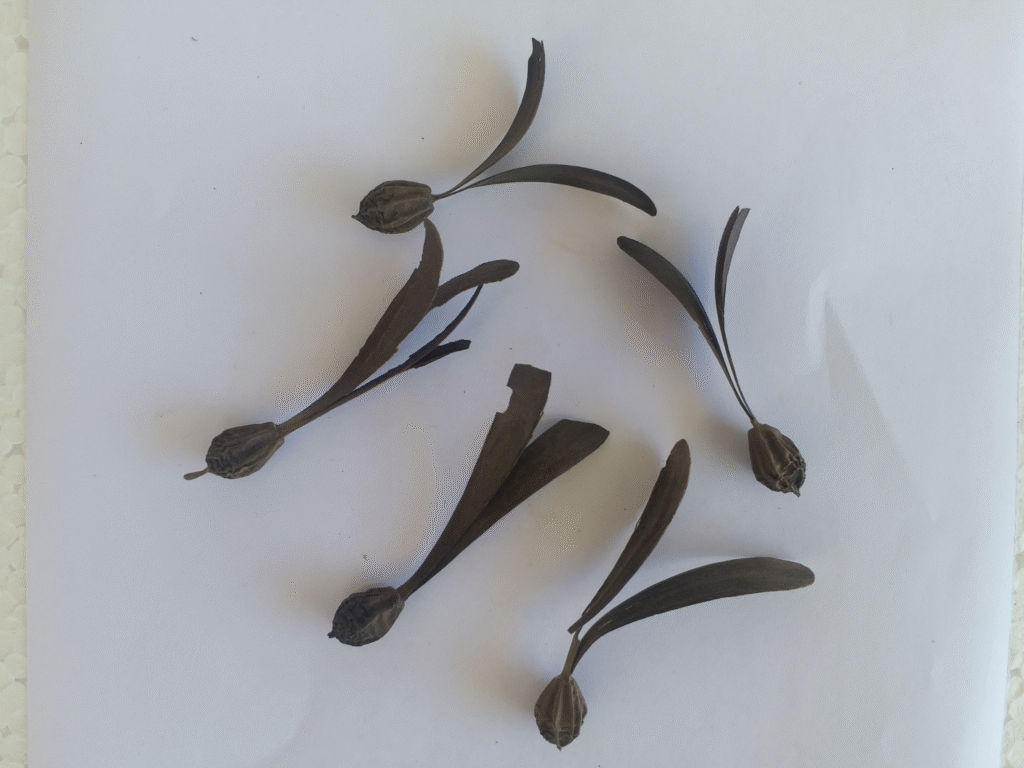
1. Gabonensis – of or from Gabon, Africa – காபோன் (ஆப்பிரிக்கா) பகுதியைச் சார்ந்த.
2. Gaertneri – named for Joseph Gaertner, 18th-century German botanist – ஜோசப் கெர்ட்னர் நினைவாக.
| Gaertner was a German botanist who essentially founded the field of Carpology (the study of fruits and seeds). His magnum opus, De Fructibus et Seminibus Plantarum (1788–1792), was a revolutionary shift in botanical science.The Carpological Shift: Before him, most botanists focused on flowers. Gaertner argued that the fruit and seed provided more stable, fundamental clues to a plant’s true identity and evolutionary relationships.Microscopic Precision: He was one of the first to use a microscope systematically to describe the internal anatomy of seeds, identifying the embryo, endosperm, and cotyledons with incredible accuracy |
3. Gagea / Gageana – named for Sir Thomas Gage, 19th-century Irish botanist – தாமஸ் கேஜ் நினைவாக.
| Sir Thomas Gage was a quiet, meticulous botanist who lived for the study of the overlooked—specifically lichens and rare flora.Gage was not just a collector; he was a pioneer of Lichenology. At a time when many viewed lichens as mere “crust” on rocks, Gage recognized them as complex, structured biological systems.Lichen Geometry: Gage’s work on crustose lichens (which form intricate, mosaic-like patterns on stone) is a direct historical link to natural structural models.Gage’s Herbarium: He maintained one of the most comprehensive private herbaria in England, documenting species that were being lost to early industrialization. |
4. Gagnepainii – named for Francois R. Gagnepain, French botanist – காக்னெபெய்ன் நினைவாக.
| François Raymond Gagnepain (1866–1952) was a prolific French botanist whose work is foundational for anyone studying the flora of Southeast Asia and East Asia.He is best known for his monumental work on the flora of former French Indochina (modern-day Vietnam, Laos, and Cambodia). He was a key author and editor of the Flore Générale de l’Indo-Chine, a massive multi-volume series that remained the primary reference for the region for decades. |
5. Gaguedi – from the vernacular Tigrana (Ethiopian) name for this protea – எத்தியோப்பிய நாட்டுப்புறப் பெயர்.
6. Gahnia – named for Dr. Henricus Gahn, Swedish student of Linnaeus – ஹென்ரிகஸ் கான் நினைவாக.
| Dr. Henricus (Henrik) Gahn (1747–1816) was a distinguished Swedish physician and botanist who moved in the most elite scientific circles of the 18th century. He is a fascinating link between the “Age of Linnaeus” and the development of modern medical and botanical practices.Gahn was a student of the famous Carl Linnaeus at Uppsala University. He was part of the generation of “Linnaean apostles” and students who expanded on the binomial nomenclature system.His brother, Johan Gottlieb Gahn, was a world-renowned chemist who discovered the element manganese. |
7. Gaillardia – named for M. Gaillard de Marentoneau, French patron of botany – கெய்லார்ட் நினைவாக.
8. Gairdneri – named for Dr. Meredith Gairdner, Scottish naturalist – மெரிடித் கெய்ர்ட்னர் நினைவாக.
9. Galacifolia / Galacifolium / Galacifolius – having leaves resembling the genus Galax – கேலக்ஸ் தாவர இலை போன்ற.
10. Galactia – from Greek gala (milk), referring to milky sap – பால் போன்ற சாறுகொண்ட பேரினம்.
11. Galactina / Galactinum / Galactinus – milky in appearance or nature – பால் போன்ற.
12. Galactites – referring to milky-white leaf veins – பால்போன்ற வெண்ணிற இலை நரம்புகள் கொண்ட.
13. Galanga – from Arabic khulendjan; mild ginger – சித்தரத்தை போன்ற இஞ்சி வகை.
14. Galanthus – from Greek gala (milk) and anthos (flower); “Snowdrop” – பால் போன்ற வெண்ணிற மலர் (பனிச்சொட்டு மலர்).
15. Galapageium – of or from the Galápagos Islands – கலாபகஸ் தீவுகளைச் சார்ந்த.
16. Galax – from Greek gala (milk), referring to white flowers – பால்போன்ற தாவரப் பேரினம்.
17. Galbana – from Latin galbanum, a gum resin – தாவரப்பிசின் போன்ற.
18. Galbraithiae / Galbraithiana – named for Jean Galbraith, Australian botanist – ஜீன் கல்பிரைத் நினைவாக.
19. Galbulus – a modified cone where the scales are enlarged or fleshy – உருண்டையான தடித்த கனி.
20. Gale – from the Old English name Gagel; helmet-shaped or a small shrub – தலைக்கவச வடிவம் அல்லது சிறு புதர்.
21. Galeandra – helmet-shaped cap over the stamen – தலைக்கவசம்போன்ற மகரந்தப்பை மூடி.
22. Galearis – helmet-like appearance of the flower – தலைக்கவசம்போன்ற மலர்.
23. Galeata / Galeatum / Galeatus – helmet-shaped – தலைக்கவச வடிவமுடைய.
24. Galega – from Greek gala (milk); stimulator of milk production – பால் உற்பத்தியைத் தூண்டும் தாவரம்.
25. Galegifolia / Galegifolium / Galegifolius – leaves resembling the genus Galega – காலேகா தாவர இலை போன்ற.
26. Galenia – possibly named for the Greek physician Galen – மருத்துவர் காலன் நினைவாக.
| Aelius Galenus (often known as Galen of Pergamon, 129–c. 216 AD) is perhaps the most influential figure in the history of medicine, whose ideas dominated the Western world for over 1,500 years. Galen is a complex figure: he is both a titan of science and a primary reason why medical progress “stalled” for centuries.In Galen’s era, a physician was by necessity a botanist. He refined the “Hippocratic” system, but his true contribution was his focus on Pharmacognosy (the study of medicines derived from natural sources). |
27. Galeobdolon – smells like a weasel – கீரிபோன்ற மணம் கொண்ட.
28. Galeopsis – resembling a weasel – கீரிபோன்ற தோற்றமுடைய பேரினம்.
29. Galeottiana / Galeottii – named for Henri Galeotti, French botanist – ஹென்றி காலியோட்டி நினைவாக.
| Henri Guillaume Galeotti (1814–1858) is a quintessential figure for your research on the global distribution of plants and the intersection of botany and engineering.He is credited with introducing a vast number of Mexican succulents and cacti to Europe. His collections fueled the “cactomania” that gripped European botanical gardens in the mid-19th century. He described hundreds of new orchid species. His work in the high-altitude cloud forests of Mexico provided the first scientific look at these complex ecosystems.He was one of the first to study how soil composition and rock formations (geology) dictated the “branching architecture” and survival of specific plant groups. |
30. Galericulata / Galericulatum / Galericulatus – small cap or hat-shaped – சிறிய தொப்பி போன்ற அமைப்பு.
31. Galiaceae – a synonym for the family Rubiaceae – காஸியம் தாவரக்குடும்பம்.
32. Galinsoga – named for Mariano Martinez Galinsoga, Spanish physician – கலிசோகா நினைவாக.
33. Galioides – resembling Galium (bedstraw) – கேலியம் தாவரத்தை ஒத்த
34. Galium – from Greek gala (milk); used to curdle milk – பாலை உறைய வைக்கும் தாவரம்.
35. Gallica / Gallicum / Gallicus – of or from France (Gaul) – பிரான்சு நாட்டைச் சார்ந்த.
36. Gallinopes – shaped like a chicken foot – கோழியின் கால் போன்ற வடிவம்.
37. Galphimia – anagram of Malpighia – மால்பிஜியா தொடர்புடைய பேரினம்.
38. Galpinii – named for Ernest Edward Galpin, South African botanist – கால்பின் நினைவாக.
39. Galtonia – named for Sir Francis Galton, British explorer – சர் பிரான்சிஸ் கால்டன் நினைவாக.
40. Galvestonensis – of or from Galveston, Texas – கால்வெஸ்டன் பகுதியைச் சார்ந்த.
41. Galvezia – named for Jose Galvez, Spanish administrator – ஜோஸ் கால்வெஸ் நினைவாக.
42. Gambelii – named for William Gambel, American naturalist – வில்லியம் கேம்பெல் நினைவாக.
43. Gamblei – named for James Sykes Gamble, English botanist – ஜேம்ஸ் சைக்ஸ் கேம்பிள் நினைவாக.
44. Gamete – a reproductive cell (egg or sperm) – இனச்செல்.
45. Gametophyte – the haploid, gamete-producing phase of a plant – இனச்செல் தாவரகம்.
| Feature | Gametophyte | Sporophyte |
| Ploidy Level | Haploid ($n$): Contains one set of chromosomes. | Diploid ($2n$): Contains two sets of chromosomes. |
| Product | Produces Gametes (sperm/eggs) via mitosis. | Produces Spores via meiosis. |
| Origin | Grows from a germinating spore. | Grows from a fertilized zygote. |
| Structural Role | The “sexual” phase. | The “asexual” phase. |
46. Gamochaeta – bristles united at the base – அடிப்பகுதியில் இணைந்த தூவிகள்.
47. Gamolepis – referring to united bracts – இணைந்த பூவடிச் செதில்கள்.
48. Gamopetalous – a corolla with united or fused petals – இணைந்த அல்லியிதழ்கள்.
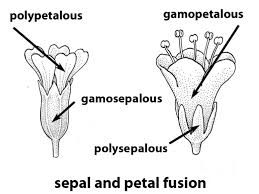
49. Gamophylla / Gamophyllum / Gamophyllus – fused or joined leaves – இணைந்த இலைகள்.
50. Gamosepala / Gamosepalum / Gamosepalus – united or fused sepals – இணைந்த புல்லியிதழ்கள்.
51. Gandavense / Gandavensis – of or from Ghent, Belgium – பெல்ஜியம் பகுதியைச் சார்ந்த.
52. Ganderi – named for Frank Forrest Gander, American botanist – பிராங்க் கேண்டர் நினைவாக.
| Frank Forrest Gander (1899–1976) was a polymath who bridged the gap between zoology and botany in a way that few scientists do today.Gander was a pioneer in nature education. He was a key leader in the “Junior Naturalist” programs, dedicated to teaching children how to record and identify plants in the field. |
53. Gandogeri – named for Abbot Michel Gandoger, French botanist – மிஷெல் காண்டோஜர் நினைவாக.
54. Gangetica / Gangeticum / Gangeticus – of or from the Ganges River (India) – கங்கை நதி பகுதியைச் சார்ந்த.
55. Garberi / Garberia / Garberiana – named for Dr. Abram Paschal Garber, American botanist – ஆப்ராம் கார்ஃபர் நினைவாக.
56. Garcinia – named for Laurent Garcin, French botanist – கார்சினியா நினைவாக.
57. Gardenia – named for Alexander Garden, physician and botanist – கார்டன் நினைவாக.
58. Gardenii – specifically named in honor of Dr. Alexander Garden – கார்டன் சார்ந்த.
59. Gardneriana / Gardnerianum / Gardnerianus / Gardnerii – named for Hon. Edward Gardner – எட்வர்ட் கார்ட்னர் நினைவாக.
60. Garganica / Garganicum / Garganicus – of or from Mt. Gargano (Italy) – இத்தாலி பகுதியைச் சார்ந்த.
61. Garibina – from Khoi name Gariep (large) – பெரிய என்ற பொருள்படும் பெயர்.
62. Gariepensis – of or from the Gariep River, South Africa – தென்னாப்பிரிக்கா பகுதியைச் சார்ந்த.
63. Garnotia – named for Prosper Garnot, French naturalist – கார்னோ நினைவாக.
64. Garrettia / Garrettiana / Garrettianum / Garrettianus – named for H.B. Garrett, British botanist – காரெட் நினைவாக.
65. Garryaceae / Garrya – named for Nicholas Garry; a natural order of dicotyledons – காரியா தாவரக்குடும்பம்.
66. Gasteria – from Greek gaster (stomach), referring to the swollen base – வயிற்று வடிவம் கொண்ட கற்றாழை.
67. Gasteromycetes – fungi where spores are produced inside the fruiting body – அக வித்துரு பூஞ்சைகள்.
68. Gaya – named for Claudio Gay, 19th-century French botanist – கிளாடியோ கே நினைவாக.
69. Gelatinous – having the consistency of jelly – கூழ்மமான (கூழ்மப் போன்ற).
70. Geminate – occurring in pairs; twins – இரட்டையான.
71. Gemma – a small mass of vegetative tissue for asexual reproduction; a bud – முகுளம் / அரும்பு (அரும்புகள் / மொட்டுகள்).
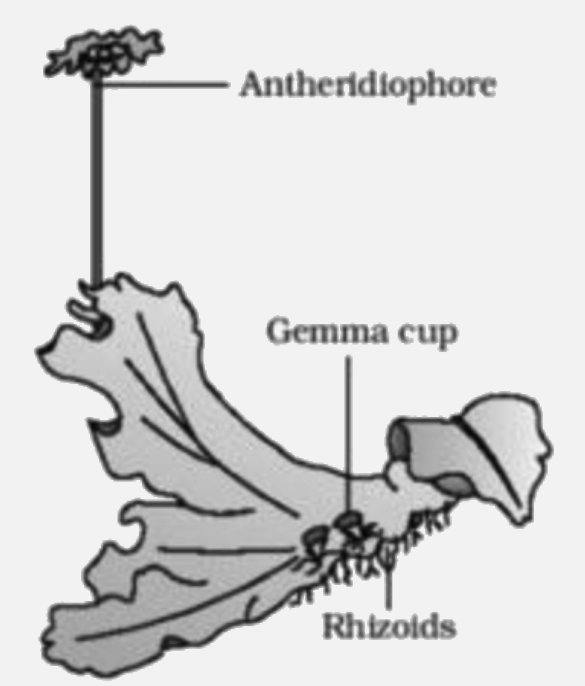
72. Gemmation – the arrangement or expansion of buds; the process of budding – மொட்டு விரிதல் (மொட்டு விடுதல்).
73. Gemmule – a small bud or reproductive corpuscle – நுண்முகுளம்.
74. Gene – the basic unit of heredity – மரபணு.
75. General – investiture of parts at the base of an umbel – பொதுவான.
76. Geniculata / Geniculatum / Geniculatus – bent abruptly like a knee joint – முட்டி போன்ற வளைவு (முழங்கால் போன்ற வளைவுடைய).
77. Geniculum – a node or joint of a stem – தண்டுக்கணு.
78. Genista – the Broom genus – ஜெனிஸ்டா புதர் வகை.
79. Genotype – the genetic makeup of an organism – மரபணுவகை.
| Feature | Genotype | Phenotype |
| Simple Definition | The internal genetic code (the “instructions”). | The external physical expression (the “result”). |
| Composition | The specific alleles (e.g., $AA$, $Aa$, $aa$) inherited from parents. | The observable traits (height, leaf shape, flower color). |
| Visibility | Invisible to the naked eye (requires DNA sequencing). | Visible and measurable in the field. |
| Changeability | Remains constant throughout the plant’s life. | Can change due to environmental factors (Plasticity). |
80. Gens – a taxonomic synonym for a tribe – இனக்குழு.
81. Gentianaceae / Gentiana – the Gentian family – ஜென்சியானேசி குடும்பம்.
82. Genus – a taxonomic rank between family and species – பேரினம்.
83. Geoblastus – embryo with underground cotyledons – தரைக்கீழ் முளைத்தல்.
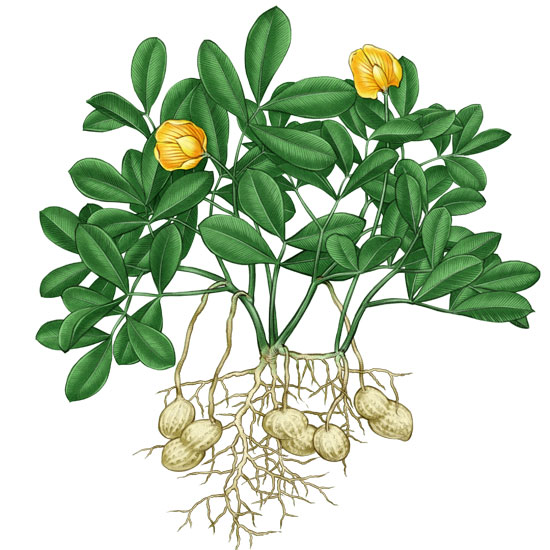
84. Geocarpy / Geocarpus – fruit produced or ripening underground (e.g., Peanut) – நிலக்கனி விளைதல் (நிலத்தினடியில் கனியும்).
85. Geonasty – nastic movement in response to gravity – புவிசார் வளைவு.
86. Geophilous – plants with underground fruiting organs – தரைக்கீழ் வாழும் உறுப்புகள் கொண்ட தாவரம்.
87. Geophyte – a plant that survives via underground buds – தரைக்கீழ் மொட்டுத் தாவரம்.
88. Geotactic – response of a whole organism to gravity – புவிசார் நகர்வு.
89. Geotropism / Geotropic – growth or turning in response to gravity – புவிநாட்டம் (புவி நாட்டமுடைய).
90. Geraniaceae / Geranium – the Geranium family; from Greek geranos (crane) – ஜெரானியேசி குடும்பம்.
91. Germ pore – a hole in pollen for the pollen tube – முளைப்புத் துளை.
92. Germen – a synonym for the ovary – சூலகம்.
93. Germination – the beginning of seed growth; development into a plant – முளைத்தல்.
94. Gesneraceae – a natural order of dicotyledons – ஜெஸ்னேரேசி குடும்பம்.
95. Gibba / Gibbosa / Gibbous – swollen on one side – ஒருபக்க வீக்கம் (ஒரு பக்கம் வீங்கிய).
96. Gigantea / Giganteum / Giganteus / Gigantic – very large; exceeding relative dimensions – பிரம்மாண்டமான (மிகப் பெரிய).
97. Gilliesiaceae – a small order of monocots – ஜிலீசியேசி குடும்பம்.
98. Gills – vertical plates under a mushroom cap – காளானின் வித்துத் தட்டுகள்.
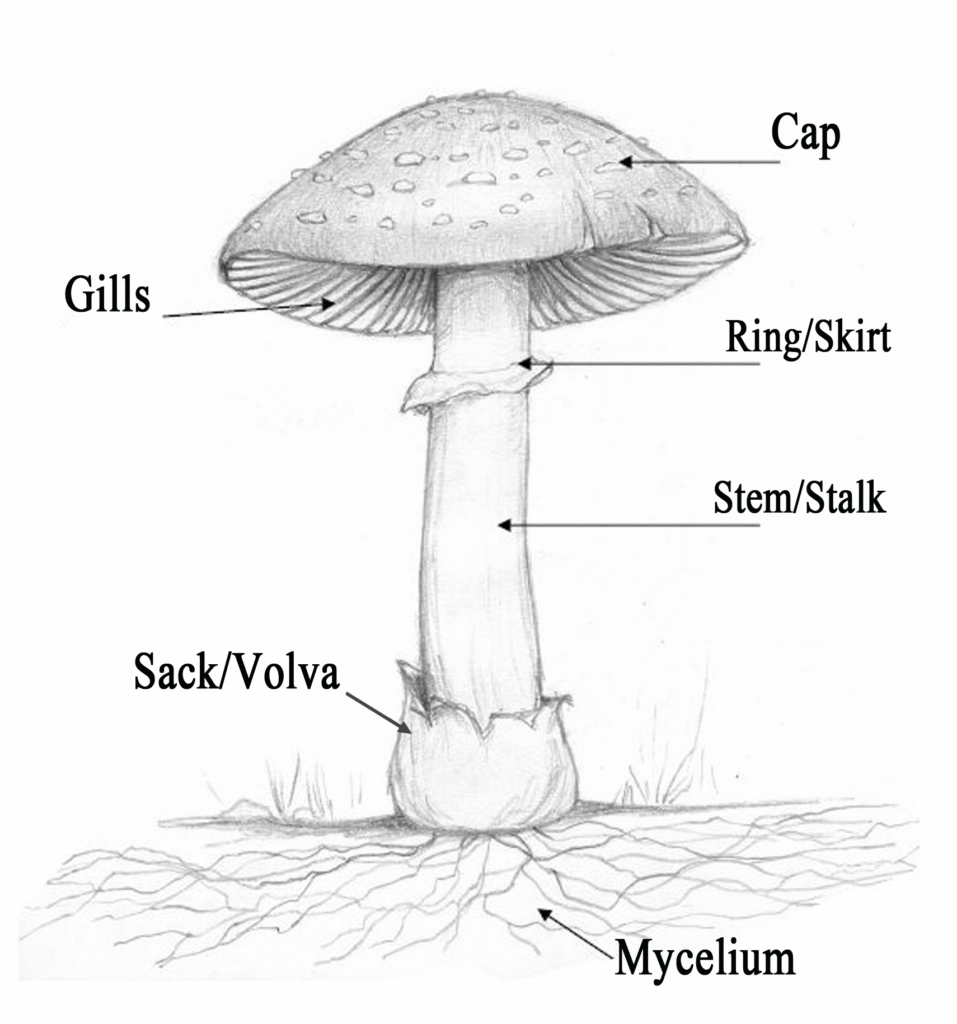
99. Gilvus – dirty yellow color – அழுக்கு மஞ்சள் நிறம்.
100. Githagineus – greenish-red color – பசுமைகலந்த சிவப்பு.
101. Glabra / Glabrate / Glabrous – smooth; without hairs – மென்மையான பரப்பு (ரோமங்களற்ற வழவழப்பான).
102. Glacialis – from icy regions – பனிப்பிரதேசத்தைச் சார்ந்த.
103. Gladiata / Gladiate / Gladiolus – sword-shaped leaves – வாள் வடிவம் (வாள் வடிவ இலைகள்).
104. Gland / Glandular / Glandulosa – a secreting organ; provided with glands – சுரப்பி (சுரப்பிகள் உடைய).
105. Glandaceus – reddish-brown mixed with yellow – செம்பழுப்பு நிறம்.
106. Glans – a dry, one-seeded fruit in a cup – அகரணிக்கனி.
107. Glauca / Glaucous – whitish-blue waxy coating; blue-green with a waxy bloom – சாம்பல்கலந்த நீலநிறப் பூச்சு (நீலப்பச்சை மெழுகுப் பூச்சு).
108. Gleicheniaceae – a family of ferns – கிளிகேனியேசி பெரணி குடும்பம்.
109. Glittering – surface with non-uniform lustre – மின்னுதல்.
110. Globose / Globular / Globulosus – spherical in shape – கோள வடிவம்.
111. Globulariaceae – a natural order containing Globularia – குளோபுலேரியேசி குடும்பம்.
112. Globule – spherical reproductive organ in Characeae – சிறுகோளம்.
113. Globuline – transparent granules in tissue – நுண் உருண்டை புரதம்.
114. Globulus – a small globule or shield – சிறு உருண்டை.
115. Glochis / Glochideous – barbed point or bristles – முள் போன்ற தூவி.
116. Glomeratus – collected into a close head – திரளான.
117. Glomerulis – a small head or soredium – சிறுதிரள்.
118. Glomus – a synonym for a capitulum – மலர்க்கொத்து.
119. Glossology – explanation of technical terms – கலைச்சொல்லியல்.
120. Glucose – a simple sugar from photosynthesis – குளுக்கோஸ்.
121. Glue – viscid plant secretion – தாவரப்பசை.
122. Glumaceous – chaffy like grass scales – உமிபோன்ற.
123. Glume – outermost husk of a grass spikelet – உமி.
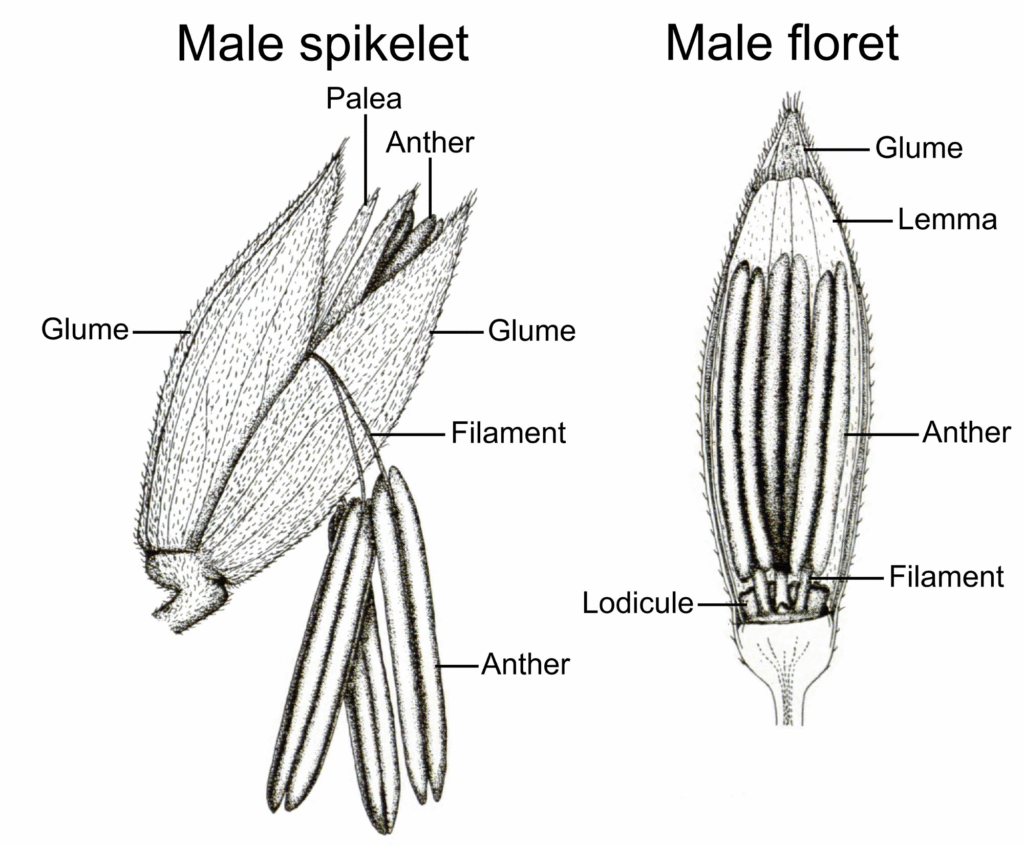
124. Glumella – innermost scale in grasses – உள் உமி.
125. Gluten – viscid substance in flour – கோதுமைப்புரதம்.
| Gluten is not a single protein; it is a composite of two primary groups of storage proteins found in the endosperm of the grass family (Poaceae), specifically in the tribe Triticeae: These provide viscosity (the ability to flow). They are monomeric proteins that act like a lubricant. |
126. Gnawed – irregularly jagged margin – கடிக்கப்பட்டது போன்ற விளிம்பு.
127. Gnetaceae – a natural order of Gymnosperms – நீட்டேசி குடும்பம்.
128. Gnomonicus – stalk bent abruptly at a high angle – செங்கோண வளைவு.
129. Goblet-shaped – hemispherical and concave – கோப்பை வடிவம்.
130. Gongylodes – knob-like in appearance – முடிச்சு போன்ற.
131. Gongylus – rounded reproductive corpuscles in algae – பாசி வித்துரு.
132. Gonnophorum – elevated receptacle bearing stamens and carpels – வித்துரு தாங்கி.
133. Goodeniaceae – a natural order of dicotyledons – குடீனியேசி குடும்பம்.
134. Gossypinus / Gossypium – cottony; the Cotton genus – பருத்தி போன்ற (பருத்தி பேரினம்).
135. Gottlebei – named for Gunter Gottlebe – காட்லீப் நினைவாக.
136. Goudeyi – named for Christopher J. Goudey – கவுடி நினைவாக.
137. Goulimyi – named for Dr. C.N. Goulimis – கவுலிமிஸ் நினைவாக.
138. Gounellei – named for Pierre-Emile Gounelle – கவுனல் நினைவாக.
139. Gourd – fleshy fruit with parietal placentation – சுரைவகைக்கனி.
140. Govaniana / Govanianum / Govanii – named for George Govan – ஜார்ஜ் கோவன் நினைவாக.
| George Govan (1791–1865) was a Scottish surgeon and botanist whose work laid the foundation for our understanding of the Himalayan flora.Govan was one of the first Western scientists to systematically collect plants from the Sirmur region of the Himalayas. |
141. Graciflora / Graciliflora / Graciliflorum / Graciliflorus – having graceful, slender flowers – அழகிய மெல்லிய மலர்களுடைய.
142. Gracile / Gracilenta / Gracilentum / Gracilentus / Gracilis – slender; thin; graceful – மெலிதான.
143. Gracilidelineata – slender or graceful line – மெல்லிய கோடு போன்ற.
144. Gracilifolia / Gracilifolius – slender-leaved – மெல்லிய இலைகளுடைய.
145. Gracilior / Gracilius – thinner; more graceful – மிகவும் மெலிதான.
146. Gracilipes – graceful foot (stalk) – மெல்லிய காம்புடைய.
147. Gracilispinus – slender or graceful spines – மெல்லிய முட்களுடைய.
148. Gracilistyla / Gracilistylum / Gracilistylus – having a slender, graceful style – மெல்லிய சூல்தண்டுடைய.
149. Gracillima / Gracillimum / Gracillimus – most graceful, slender – மிகவும் மென்மையான.
150. Graeca / Graecizans / Graecum / Graecus – of or from Greece; Grecian – கிரேக்க நாட்டைச் சார்ந்த.
151. Graessneri – named for Richard Graessner – கிரெஸ்னர் நினைவாக.
152. Graft – portion of a plant inserted into a stock – ஒட்டுக்கிளை.
153. Grahamii – named for Edward Graham – கிரஹாம் நினைவாக.
154. Graminaceae / Gramineae / Graminae – former names for the Poaceae (grass) family – புற்கள் குடும்பம் (புல் குடும்பம்).
155. Graminea / Gramineum / Gramineus – grass-like – புல் போன்ற.
156. Graminicola / Graniferus – bearing grains; grass-dweller – தானியம் தாங்கிய.
157. Graminifolia / Graminifolium / Graminifolious – grass-like leaves – புல் போன்ற இலைகளுடைய.
158. Grammatocymbidium – intergeneric orchid hybrid – கலப்பின ஆர்க்கிட்.
159. Grammatophyllum – from Greek for “grass” and “leaf” – புல் இலை போன்ற பேரினம்.
160. Grammicus – marked with lines resembling letters – வரிபோன்ற குறி.
161. Grammitis – referring to elongated sori – வரி போன்ற வித்துருக்கள்.
162. Granadense / Granadensis / Grenadense / Grenadensis – from Grenada, Central America – கிரெனடா பகுதியைச் சார்ந்த.
163. Granadilla / Granadillo – fruits with many seeds – அதிக விதையுடைய கனி.
164. Granata / Granatum / Granatus – many seeds – அதிக விதைகளுடைய.
| In the botanical world, Granata (derived from the Latin granatum, meaning “seeded”) is a term deeply intertwined with the history of the Pomegranate (Punica granatum).The city of Granada in Spain takes its name and its heraldic symbol from this fruit. It was brought there via the Silk Road and the Moorish missions, representing one of the most successful transcontinental plant distributions in history.In a literal intersection of botany and engineering, the military “grenade” was named after the pomegranate (granata) because the early versions of the weapon were shaped like the fruit and designed to scatter “seeds” (shrapnel) upon impact. |
165. Grande / Grandis – large; spectacular – பெரிய / பிரம்மாண்டமான.
166. Grandialata – large-winged – பெரிய சிறகு போன்ற.
167. Grandicapute / Grandicaputis / Grandiceps – large-headed – பெரிய தலை போன்ற.
168. Grandicorne / Grandicornis – large-horned – பெரிய கொம்பு போன்ற.
169. Grandicostatus – large ribs; large-ribbed – பெரிய நரம்புடைய.
170. Grandidens – large tooth – பெரிய பற்களுடைய.
171. Grandidentata / Grandidentatum / Grandidentatus – having big teeth – பெரிய பற்களுடைய.
172. Grandidieri – named for Alfred Grandidier – கிராண்டிடியர் நினைவாக.
173. Grandiflora / Grandiflorum / Grandiflorus – with large flowers – பெரிய மலர்களுடைய.
174. Grandifolia / Grandifolium / Grandifolius – large-leaved – பெரிய இலைகளுடைய.
175. Grandifoliolata – large leaflets – பெரிய சிற்றிலைகளுடைய.
176. Grandilobum – large-lobed – பெரிய மடல் போன்ற.
177. Grandiscapa – large-scaped (long flower stalk) – பெரிய பூமலர் தண்டுடைய.
178. Granitcum / Granitica / Graniticolus / Graniticolum / Graniticus – growing in granite crevices; granite-dweller – கிரானைட் பாறையில் வளரும்.
179. Grantianus / Grantii – named for James Augustus Grant – ஜேம்ஸ் கிராண்ட் நினைவாக.
180. Granulata / Granulatum / Granulatus / Granular – grain-like; covered with small grains – குருணையுள்ள முடிச்சுகள் (குருணையுள்ள).
181. Granule – a small grain, such as in pollen – நுண்குருணை.
182. Granulo-leprosum – grainy-scaly – குருணை செதில்களுடைய.
183. Granulosa / Granulosum / Granulosus – grain; granular – குருணையுள்ள.
184. Graptopetalum – painted or variegated petals – வண்ண இதழ்களுடைய.
185. Graptophyllum – painted or variegated leaves – வண்ண இலைகளுடைய.
186. Grata / Gratum / Gratus – pleasant; charming – அழகான.
187. Gratiae – grace – மென்மையான.
188. Gratianopolitanus – from Grenoble, France – பிரான்ஸ் பகுதியைச் சார்ந்த.
189. Gratiola / Gratioloides – pleasant medicinal herbs – மருத்துவ குணமுடைய தாவரம்.
190. Gratissima / Gratissimum / Gratissimus – most pleasing – மிகவும் ரம்மியமான.
191. Graveolens – heavy-scented; unpleasant smell – கடுமையான மணம் கொண்ட.
192. Gravis – heavy; weighty; large – பெரிய அளவுள்ள.
193. Greasy – a surface that feels oily – பிசுபிசுப்பான.
194. Greatheadii – named for Dr. J.B. Greathead – கிரேட்ஹெட் நினைவாக.
195. Greenei / Greenii – named for Edward Greene or Dave Green – கிரீன் நினைவாக.
196. Greenovia – named for George Greenough – கிரீனோ நினைவாக.
| George Bellas Greenough (1778–1855) is primarily remembered as a geologist, he was a pioneer in stratigraphy and mapping, which provided the structural foundation for how we understand plant distribution and the earth’s natural models. He published a massive, detailed geological map of England and Wales in 1819. While he famously clashed with William Smith (another “crushed” figure of history) over mapping techniques, Greenough’s map was a masterpiece of data visualization and structural layout. |
197. Greenwayi – named for Dr. Percy Greenway – கிரீன்வே நினைவாக.
198. Gregaria / Gregarium / Gregarius – growing in clusters – கூட்டமாக வளரும்.
199. Greggiana / Greggii – named for Josiah Gregg – ஜோசையா கிரெக் நினைவாக.
200. Gregorii – named for John Walter Gregory or Augustus Charles Gregory – கிரிகோரி நினைவாக.
201. Greigia / Greigii / Grieggii – named for Samuel Greig – கிரிக் நினைவாக.
202. Grenadina – from Grenada, Caribbean – கிரெனடா பகுதியைச் சார்ந்த.
203. Greuteri / Greuteriana – named for Dr. Werner Greuter – கிரூட்டர் நினைவாக.
204. Grevillea – named for Charles Francis Greville – கிரெவில்லியா பேரினம்.
205. Grewia – named for Nehemiah Grew – க்ரூவியா பேரினம்.
206. Grey / Grisea / Griseum / Griseus – gray in color – சாம்பல் நிறமான.
207. Greyia – named for Sir George Grey – சர் ஜார்ஜ் கிரே நினைவாக.
208. Grias – from the Greek graen (to eat); edible fruit – உண்ணக்கூடிய கனி.
209. Grielum – sun-loving – சூரிய ஒளி விரும்பி.
210. Griffinia – named for William Griffin – கிரிஃபின் நினைவாக.
211. Griffithia / Griffithiana / Griffithianum / Griffithianus / Griffithii – named for Dr. William Griffith – வில்லியம் கிரிஃபித் நினைவாக.
212. Griffithsii – named for Dr. David Griffiths – டேவிட் கிரிஃபித்ஸ் நினைவாக.
213. Grindelia – named for David Grindel – கிரைண்டல் நினைவாக.
214. Griselinia – named for Francesco Griselini – கிரிசெலினி நினைவாக.
215. Griseo-argentea – silvery-gray – வெள்ளி சாம்பல் நிறம்.
216. Groenewaldii – named for B.H. Groenewald – குரோனிவால்ட் நினைவாக.
217. Groenlandica / Groenlandicum – from Greenland – கிரீன்லாந்து பகுதியைச் சார்ந்த.
218. Gronophyllum – cave-leaf – குகை இலை பேரினம்.
219. Grossedentata / Grossedentatum / Grossedentatus – with large teeth – பெரிய பற்களுடைய.
220. Grosseri – named for W.C. Grosser – குரோசர் நினைவாக.
221. Grosseserrata / Grosseserratus – large saw-like (serrated) teeth – பெரிய வாள் பற்களுடைய.
222. Grossification – swelling in the ovary after fertilization – கருவுற்றபின் சூலகம் வீங்குதல்.
223. Grossulaceae / Grossularia – the Currant tribe; gooseberry genus – திராட்சைவகை குடும்பம் (நெல்லிக்காய் பேரினம்).
224. Grossulariifolia / Grossulariifolium / Grossulariifolius / Grossulariaefolia – gooseberry-like leaves – நெல்லிக்காய் இலை போன்ற.
225. Grossularioides – resembles Grossularia – நெல்லிக்காய் செடியை ஒத்த.
226. Grumous / Gruina / Gruinum / Gruinus / Gruinalis – shaped like a crane’s bill; clustered fleshy grains – கொக்கின் அலகு போன்ற வடிவம் (திரளான சதைப்பற்றுள்ள பகுதி)
227. Grusonia / Grusonii – named for Hermann Gruson – குரூசன் நினைவாக.
228. Grypoceras – hooked horn – வளைந்த கொம்பு போன்ற.
229. Guachipensis – from Costa Rica – கோஸ்டாரிகா பகுதியைச் சார்ந்த.
230. Guadalajarana / Guadalajaranum / Guadalajaranus – from Guadalajara, Mexico – மெக்சிகோ பகுதியைச் சார்ந்த.
231. Guadalupense / Guadalupensis – from Guadalupe Island – குவாடலூப் தீவைச் சார்ந்த.
232. Guadua – vernacular bamboo name – மூங்கில் வகை.
| In the “engineering” of the natural world, Guadua is the most important genus of bamboo .Known as “Iron Grass” or “Vegetable Steel,” this Neotropical bamboo is a masterpiece of structural architecture and sustainable construction.From a structural perspective, Guadua angustifolia (the most famous species) is a marvel of biomimicry. It has a tensile strength greater than steel and a compressive strength higher than many concretes, yet it is incredibly lightweight. The nodes (the rings) and internodes (the hollow spaces) act as natural bulkheads. In engineering terms, these nodes prevent the tube from buckling under pressure, allowing it to bend significantly without snapping—a perfect model for earthquake-resistant architecture. Its fibers are concentrated on the outer skin, where the most structural stress occurs. This is the exact principle used in modern hollow-section engineering. |
233. Guaiacum – Latinized form of South American “guaiac” – குவாயகம் பேரினம்.
234. Guajava – Guava – கொய்யா பழம் சார்ந்த.
235. Guanabarica – from Rio de Janeiro – பிரேசில் பகுதியைச் சார்ந்த.
236. Guanaiensis – from Guana Island – குவானா தீவைச் சார்ந்த.
237. Guanchica – Canary Island people – கேனரி தீவு தொடர்பான.
238. Guangxiense / Guangxiensis – from Guangxi, China – சீன மாகாணத்தைச் சார்ந்த.
239. Guanicense – from British Guiana – கயானா பகுதியைச் சார்ந்த.
240. Guapira – from the vernacular name – குவாபிரா பேரினம்.
241. Guaranitica / Guaraniticum / Guaraniticus – of the Guarani Indians – குவாரானி பழங்குடி தொடர்பான.
242. Guarea – common name for a genus of evergreen trees – குவாரியா பேரினம்.
243. Guarianthe – a genus of Central American orchids – ஆர்க்கிட் மலர்.
244. Guarume – from Guarume Island, Panama – பனாமா பகுதியைச் சார்ந்த.
245. Guatemalense / Guatemalensis – of or from Guatemala – குவாத்தமாலா நாட்டைச் சார்ந்த.
246. Guazuma – Latinized form of a Mexican plant name – மெக்சிகோ தாவரப் பெயர்.
247. Guelzowiana – named for Robert Gülzow – குல்சோ நினைவாக.
248. Guettarda – named for Jean-Étienne Guettard, French naturalist – கெட்டார்ட் நினைவாக.
249. Guianense / Guianensis – of or from French Guiana – கயானா பகுதியைச் சார்ந்த.
250. Guichenotia – named for Antoine Guichenot, French gardener – கைசெனோட் நினைவாக.
251. Guiengola – from Guiengola, Mexico – மெக்சிகோ பகுதியைச் சார்ந்த.
252. Guihaia – Latinized form of a Chinese name; a genus of palms – சீனப் பெயர் சார்ந்த பேரினம்.
253. Guilfoylei – named for William Robert Guilfoyle, Australian botanist – கில்ஃபாயில் நினைவாக.
254. Guillaumetii / Guillauminiana – named for botanists Guillaumet or Guillaumin – கில்லாமின் நினைவாக.
255. Guineense / Guineensis – of or from Guinea, West Africa – கினி பகுதியைச் சார்ந்த.
256. Guizhouense / Guizhouensis – of or from Guizhou, China – சீன மாகாணத்தைச் சார்ந்த.
257. Guizotia – named for Francois Guizot – கிசோட் நினைவாக.
258. Gulubia – Latinized form of an Indonesian name; a genus of palms – இந்தோனேசியப் பெயர் சார்ந்த பனை.
259. Gumbletonii – named for William Gumbleton, Irish horticulturist – கம்பிள்டன் நினைவாக.
260. Gummifer / Gummifera / Gummiferum – gum-bearing; producing resin – பிசின் சுரக்கும்.
261. Gundelia – named for Andreas Gundelsheimer, German botanist – குண்டல்ஷைமர் நினைவாக.
262. Gunnera – named for Johann Ernst Gunnerus, Norwegian botanist – கன்னரஸ் நினைவாக.
263. Gunniana / Gunnii – named for Ronald Campbell Gunn – கன் நினைவாக.
264. Gunnisonii – named for Captain John W. Gunnison – கன்னison நினைவாக.
265. Gurania – an anagram of the genus name Anguria – அங்குரியா எழுத்து மாற்றப் பெயர்.
266. Gustavia – named for King Gustav III of Sweden – மன்னர் குஸ்டாவ் நினைவாக.
267. Guthrieae / Guthriei – named for Francis Guthrie – கத்ரி நினைவாக.
268. Gutierrezia / Gutierreziana / Gutierrezii – named for the Gutierrez family – குட்டரெஸ் நினைவாக.
269. Guttata / Guttatum / Guttatus – spotted or speckled – புள்ளிகளுடைய.
270. Guttulatum – with very small spots – சிறு புள்ளிகளுடைய.
271. Guzmania – named for Anastasio Guzman, Spanish pharmacist – குஸ்மான் நினைவாக.
272. Gymnadenia – from Greek gymnos (naked) and aden (gland) – மூடாச் சுரப்பிகளுடைய.
273. Gymnanthera – having bare or “naked” anthers – மூடா மகரந்தப்பை மலர்.
274. Gymnanthes – from Greek gymnos (naked) and anthos (flower) – மூடா மலர் பேரினம்.
275. Gymnasta / Gymnaster – naked or bare – மூடா அல்லது திறந்த.
276. Gymnocalycium – “naked calyx” (referring to flower buds without hair or spines) – மூடா மொட்டுடைய கற்றாழை.
277. Gymnocarpium – “naked fruit” (spore cases without a covering) – உறை அற்ற கனி.
278. Gymnocephala / Gymnocephalum / Gymnocephalus – having a naked or bare head – திறந்த தலைப்பகுதி உடைய.
279. Gymnoclada / Gymnocladum / Gymnocladus – having naked or leafless branches – இலையற்ற கிளைகளுடைய.
280. Gymnopoda / Gymnopodum / Gymnopodus – having a naked foot or stalk – திறந்த அடிப்பகுதி உடைய.
281. Gymnopogon – “naked beard” (referring to the flower parts) – திறந்த தாடி போன்ற அமைப்பு.
282. Gymnoschoenus – a genus with naked, leafless stems – இலையற்ற தண்டுடைய பேரினம்.
283. Gymnosora – having naked sori (spore clusters) – உறை அற்ற வித்துருக்கள்.
284. Gymnosperma – having naked seeds – திறந்த வித்துடைய.
285. Gymnostachyum – having naked or bare flower spikes – மூடா மலர்க்கதிர் உடையது.
286. Gymnosteris – having a naked stem – திறந்த தண்டு.
287. Gynandra / Gynandrum / Gynandrus – having united female and male reproductive parts – இணைந்த இனப்பெருக்க உறுப்புகள்.
288. Gynandriris – an Iris relative with united pistil and stamens – இணைந்த உறுப்புகளைக் கொண்ட ஐரிஸ்.
289. Gynatrix – having a hairy ovary – தூவிகளுடைய சூலகம்.
290. Gynostemma – “female crown” (referring to the reproductive structure) – சூலக மகுடம் போன்ற.
291. Gynura – “ovary-tailed” (referring to the long style) – வால் போன்ற சூல்முடி.
292. Gypsacea / Gypsaceus – resembling gypsum; chalky – ஜிப்சம் போன்ற.
293. Gypsicola – growing in lime or gypsum soils – சுண்ணாம்பு மண்ணில் வளரும்.
294. Gypsophila – “gypsum-loving” (plants that thrive in alkaline soil) – ஜிப்சம் நிலத்தை விரும்பும்.
295. Gypsophiloides / Gypsophilum / Gypsophilus – resembles or loves chalky/gypsum soil – சுண்ணாம்புத் தன்மை விரும்பும்.
296. Gyrans – revolving or moving in a circle – சுழலும்.
297. Gyrocarpus – having fruit that turns or revolves when falling – சுழலும் கனியுடைய பேரினம்.